Division of Biosciences, School of Health Sciences and Social Care, Brunel University, Uxbridge UB8 3PH, UK.
Neurobiol Dis. 2011 Jun;42(3):496-505. doi: 10.1016/j.nbd.2011.02.016. Epub 2011 Mar 17.
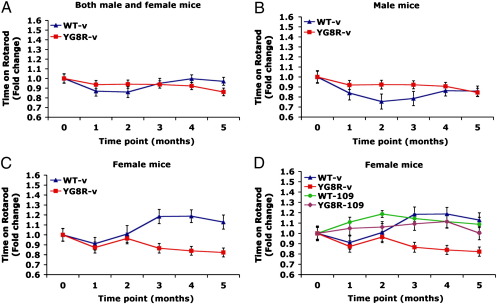
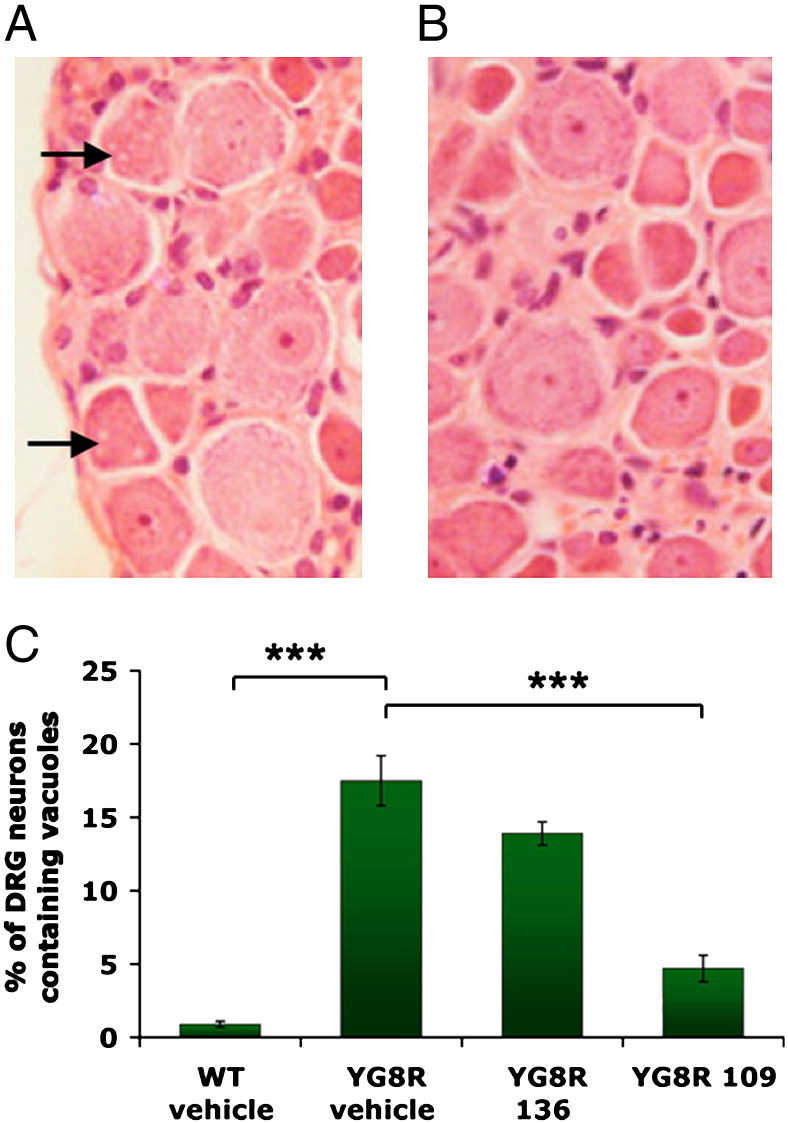
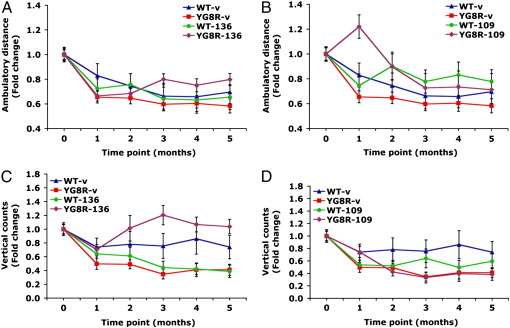
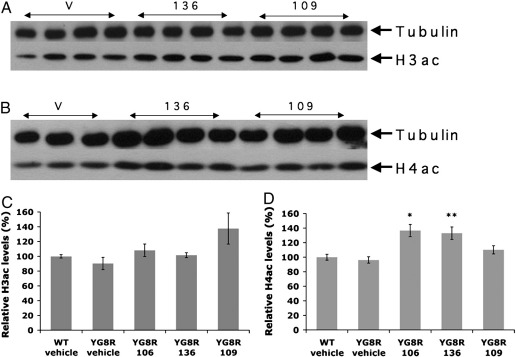
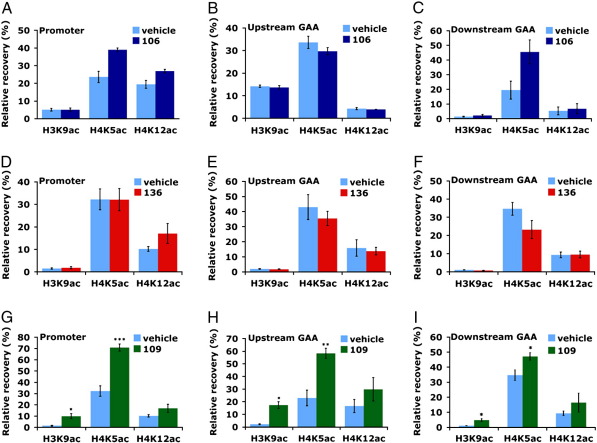
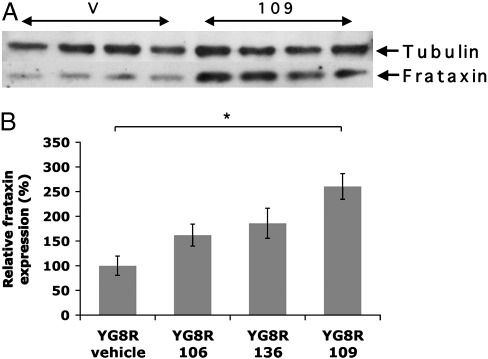
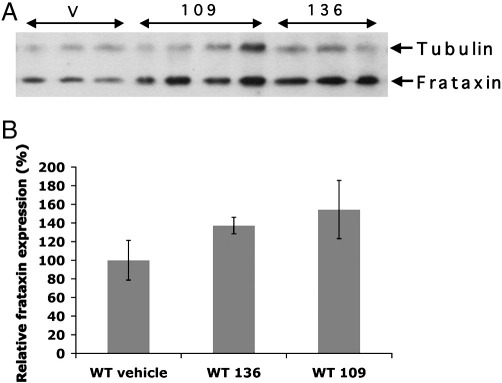
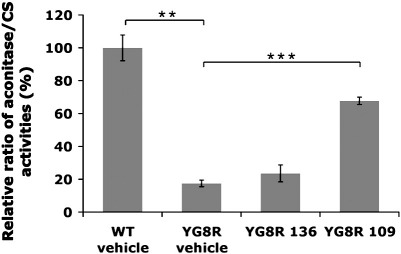
Friedreich ataxia (FRDA) is an inherited neurodegenerative disorder caused by GAA repeat expansion within the FXN gene, leading to epigenetic changes and heterochromatin-mediated gene silencing that result in a frataxin protein deficit. Histone deacetylase (HDAC) inhibitors, including pimelic o-aminobenzamide compounds 106, 109 and 136, have previously been shown to reverse FXN gene silencing in short-term studies of FRDA patient cells and a knock-in mouse model, but the functional consequences of such therapeutic intervention have thus far not been described. We have now investigated the long-term therapeutic effects of 106, 109 and 136 in our GAA repeat expansion mutation-containing YG8R FRDA mouse model. We show that there is no overt toxicity up to 5 months of treatment and there is amelioration of the FRDA-like disease phenotype. Thus, while the neurological deficits of this model are mild, 109 and 106 both produced an improvement of motor coordination, whereas 109 and 136 produced increased locomotor activity. All three compounds increased global histone H3 and H4 acetylation of brain tissue, but only 109 significantly increased acetylation of specific histone residues at the FXN locus. Effects on FXN mRNA expression in CNS tissues were modest, but 109 significantly increased frataxin protein expression in brain tissue. 109 also produced significant increases in brain aconitase enzyme activity, together with reduction of neuronal pathology of the dorsal root ganglia (DRG). Overall, these results support further assessment of HDAC inhibitors for treatment of Friedreich ataxia.
弗里德赖希共济失调(FRDA)是一种遗传性神经退行性疾病,由 FXN 基因内 GAA 重复扩展引起,导致表观遗传改变和异染色质介导的基因沉默,导致 frataxin 蛋白缺失。组蛋白去乙酰化酶(HDAC)抑制剂,包括 pimelic o-氨基苯甲酰胺化合物 106、109 和 136,以前已被证明可在 FRDA 患者细胞和基因敲入小鼠模型的短期研究中逆转 FXN 基因沉默,但迄今为止尚未描述这种治疗干预的功能后果。我们现在已经在我们的 GAA 重复扩展突变含有 YG8R FRDA 小鼠模型中研究了 106、109 和 136 的长期治疗效果。我们表明,在长达 5 个月的治疗过程中没有明显的毒性,并且 FRDA 样疾病表型得到改善。因此,虽然该模型的神经功能缺损较轻,但 109 和 106 都改善了运动协调能力,而 109 和 136 则增加了运动活动。这三种化合物均增加了脑组织中全局组蛋白 H3 和 H4 的乙酰化,但只有 109 显著增加了 FXN 基因座特定组蛋白残基的乙酰化。对中枢神经系统组织中 FXN mRNA 表达的影响较小,但 109 显著增加了脑组织中的 frataxin 蛋白表达。109 还显著增加了脑中的 aconitase 酶活性,并减少了背根神经节(DRG)的神经元病理学。总体而言,这些结果支持进一步评估 HDAC 抑制剂治疗弗里德赖希共济失调。