Kawahara Masahiro, Kato-Negishi Midori
Department of Analytical Chemistry, School of Pharmaceutical Sciences, Kyushu University of Health and Welfare, 1714-1 Yoshino-cho, Nobeoka-shi, Miyazaki 882-8508, Japan.
Int J Alzheimers Dis. 2011 Mar 8;2011:276393. doi: 10.4061/2011/276393.
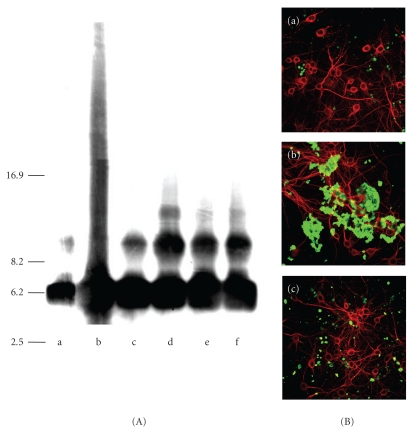
Whilst being environmentally abundant, aluminum is not essential for life. On the contrary, aluminum is a widely recognized neurotoxin that inhibits more than 200 biologically important functions and causes various adverse effects in plants, animals, and humans. The relationship between aluminum exposure and neurodegenerative diseases, including dialysis encephalopathy, amyotrophic lateral sclerosis and Parkinsonism dementia in the Kii Peninsula and Guam, and Alzheimer's disease (AD) has been suggested. In particular, the link between aluminum and Alzheimer's disease has been the subject of scientific debate for several decades. However, the complex characteristics of aluminum bioavailability make it difficult to evaluate its toxicity and therefore, the relationship remains to be established. Mounting evidence has suggested that significance of oligomerization of β-amyloid protein and neurotoxicity in the molecular mechanism of AD pathogenesis. Aluminum may play crucial roles as a cross-linker in β-amyloid oligomerization. Here, we review the detailed characteristics of aluminum neurotoxicity based on our own studies and the recent literatures. Our aim is to revisit the link between aluminum and AD and to integrate aluminum and amyloid cascade hypotheses in the context of β-amyloid oligomerization and the interactions with other metals.
虽然铝在环境中含量丰富,但并非生命所必需。相反,铝是一种广为人知的神经毒素,它会抑制200多种重要的生物学功能,并在植物、动物和人类中引发各种不良影响。铝暴露与神经退行性疾病之间的关系已被提出,这些疾病包括透析性脑病、肌萎缩侧索硬化症以及日本纪伊半岛和关岛的帕金森痴呆症,还有阿尔茨海默病(AD)。特别是,铝与阿尔茨海默病之间的联系几十年来一直是科学争论的主题。然而,铝生物利用度的复杂特性使得评估其毒性变得困难,因此,这种关系仍有待确定。越来越多的证据表明,β-淀粉样蛋白的寡聚化及其神经毒性在AD发病机制的分子机制中具有重要意义。铝可能作为β-淀粉样蛋白寡聚化的交联剂发挥关键作用。在此,我们基于自己的研究和近期文献综述铝神经毒性的详细特征。我们的目的是重新审视铝与AD之间的联系,并在β-淀粉样蛋白寡聚化以及与其他金属相互作用的背景下整合铝和淀粉样蛋白级联假说。