Dipartimento Cardiologico, AOU Maggiore della Carità, Corso Mazzini 18, 28100 Novara, Italy.
Cardiol Res Pract. 2011 Mar 15;2011:925653. doi: 10.4061/2011/925653.
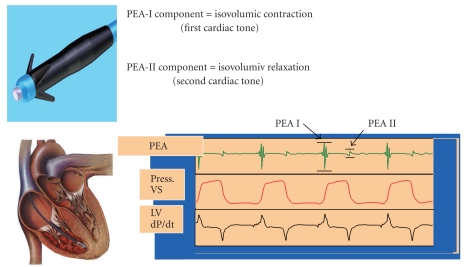
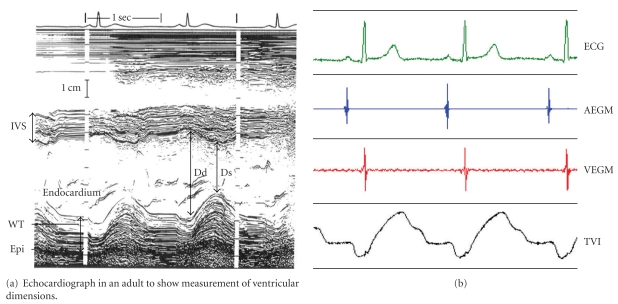
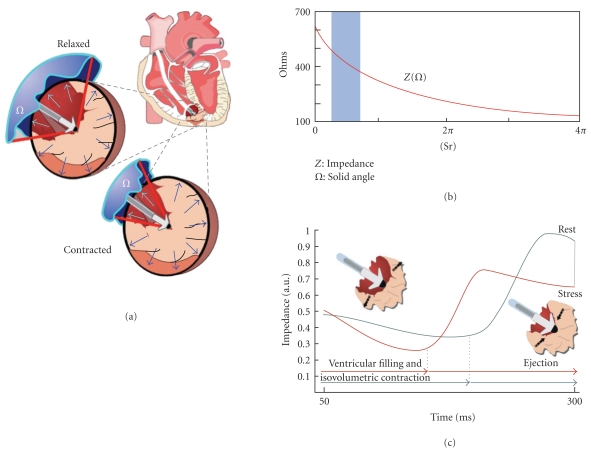
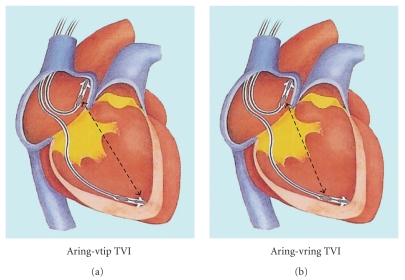
The rate adaptive sensors applied to cardiac pacing should respond as promptly as the normal sinus node with an highly specific and sensitive detection of the need of increasing heart rate. Sensors operating alone may not provide optimal heart responsiveness: central venous pH sensing, variations in the oxygen content of mixed venous blood, QT interval, breathing rate and pulmonary minute ventilation monitored by thoracic impedance variations, activity sensors. Using sensors that have different attributes but that work in a complementary manners offers distinct advantages. However, complicated sensors interactions may occur. Hemodynamic sensors detect changes in the hemodynamic performances of the heart, which partially depends on the autonomic nervous system-induced inotropic regulation of myocardial fibers. Specific hemodynamic sensors have been designed to measure different expression of the cardiac contraction strength: Peak Endocardial Acceleration (PEA), Closed Loop Stimulation (CLS) and TransValvular Impedance (TVI), guided by intraventricular impedance variations. Rate-responsive pacing is just one of the potential applications of hemodynamic sensors in implantable pacemakers. Other issues discussed in the paper include: hemodynamic monitoring for the optimal programmation and follow up of patients with cardiac resynchronization therapy; hemodynamic deterioration impact of tachyarrhythmias; hemodynamic upper rate limit control; monitoring and prevention of vasovagal malignant syncopes.
应用于心律转复的速率适应性传感器应能像正常窦房结一样迅速做出反应,高度特异性和灵敏性地检测到增加心率的需要。单独运行的传感器可能无法提供最佳的心脏反应性:中心静脉 pH 感测、混合静脉血氧含量变化、QT 间期、呼吸频率和通过胸阻抗变化监测的肺分钟通气量、活动传感器。使用具有不同属性但以互补方式工作的传感器具有明显的优势。然而,可能会发生复杂的传感器相互作用。血流动力学传感器检测心脏血流动力学性能的变化,这部分取决于自主神经系统对心肌纤维的变力调节。特定的血流动力学传感器已被设计用于测量心脏收缩强度的不同表现:心内膜末端加速度 (PEA)、闭环刺激 (CLS) 和经瓣膜阻抗 (TVI),由心室阻抗变化引导。心率适应性起搏只是血流动力学传感器在植入式起搏器中的潜在应用之一。本文还讨论了其他问题:心脏再同步治疗患者的最佳程控和随访中的血流动力学监测;心动过速性心律失常对血流动力学恶化的影响;血流动力学上限控制;血管迷走性恶性晕厥的监测和预防。