National Institute of Neurological Disorders and Stroke, The National Institutes of Health, Bethesda, Maryland 20892, USA.
Nat Rev Immunol. 2011 May;11(5):318-29. doi: 10.1038/nri2971.
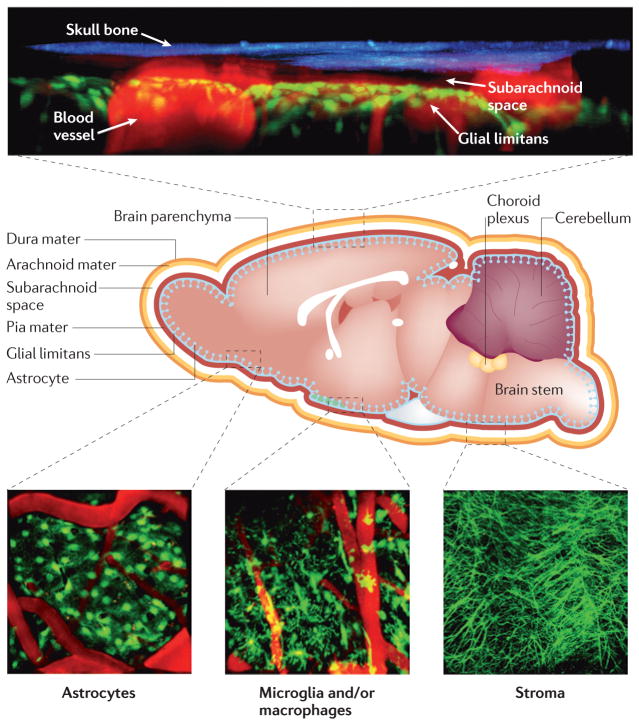
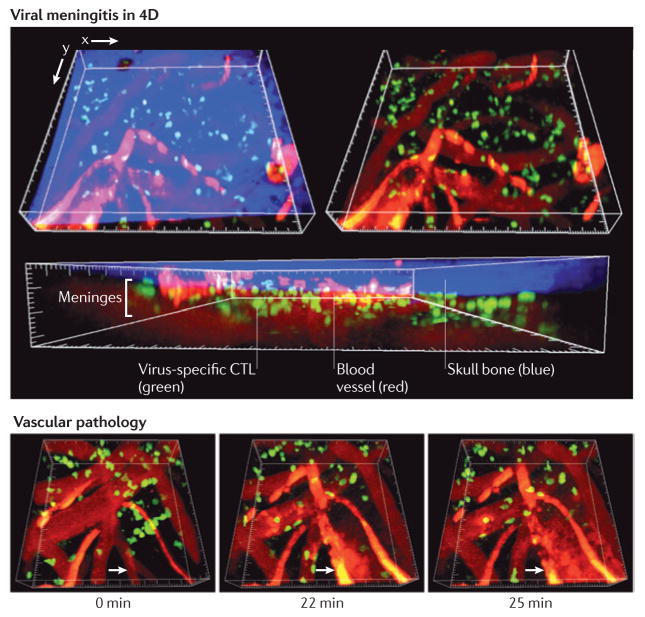
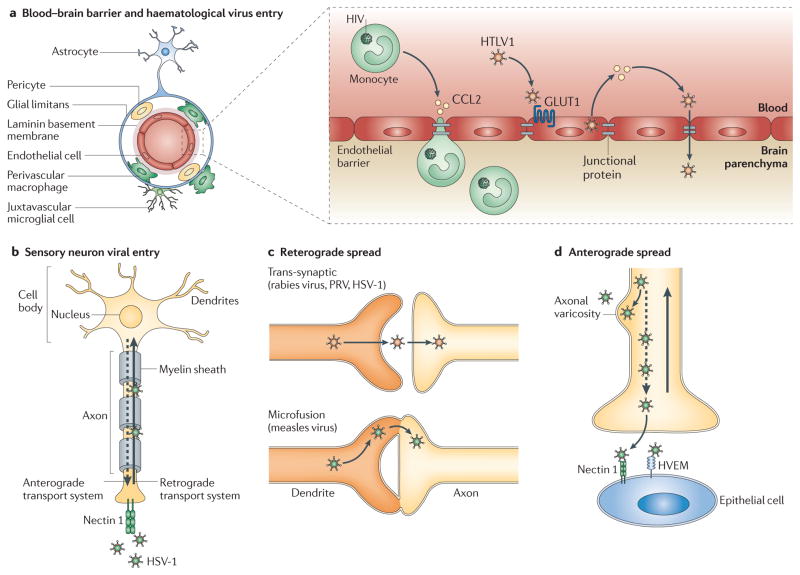
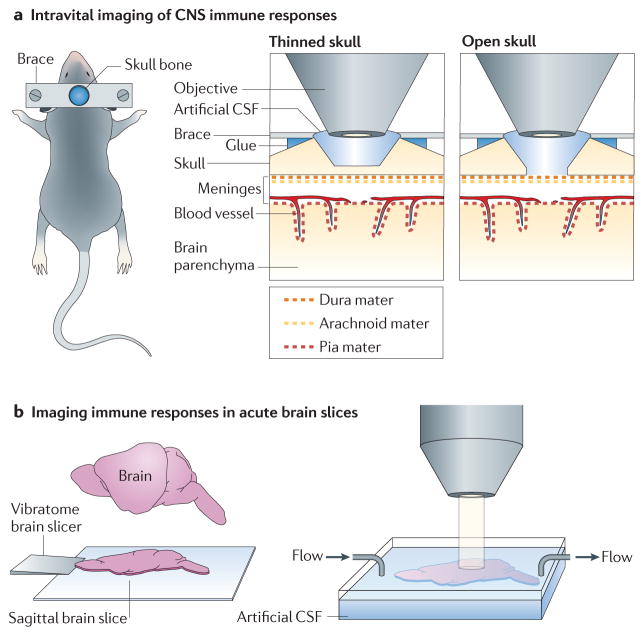
Viral infections are a major cause of human disease. Although most viruses replicate in peripheral tissues, some have developed unique strategies to move into the nervous system, where they establish acute or persistent infections. Viral infections in the central nervous system (CNS) can alter homeostasis, induce neurological dysfunction and result in serious, potentially life-threatening inflammatory diseases. This Review focuses on the strategies used by neurotropic viruses to cross the barrier systems of the CNS and on how the immune system detects and responds to viral infections in the CNS. A special emphasis is placed on immune surveillance of persistent and latent viral infections and on recent insights gained from imaging both protective and pathogenic antiviral immune responses.
病毒感染是人类疾病的主要原因。虽然大多数病毒在周围组织中复制,但有些病毒已经发展出独特的策略进入神经系统,在那里建立急性或持续性感染。中枢神经系统(CNS)中的病毒感染会改变内稳态,引起神经功能障碍,并导致严重的、潜在威胁生命的炎症性疾病。这篇综述重点介绍了嗜神经病毒穿过 CNS 屏障系统的策略,以及免疫系统如何检测和应对 CNS 中的病毒感染。特别强调了对持续性和潜伏性病毒感染的免疫监视,以及最近从对保护性和致病性抗病毒免疫反应的成像中获得的新见解。