Division of Clinical Pharmacology and Medical Toxicology, Department of Pediatrics, Children's Mercy Hospitals and Clinics, Kansas City, Missouri, USA.
Clin Pharmacol Ther. 2011 Jun;89(6):867-74. doi: 10.1038/clpt.2011.47. Epub 2011 May 4.
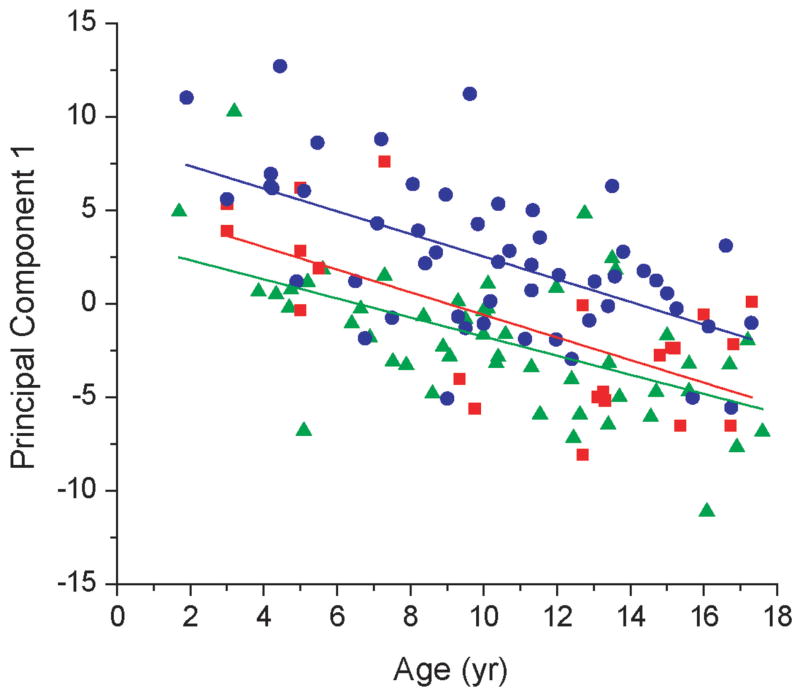
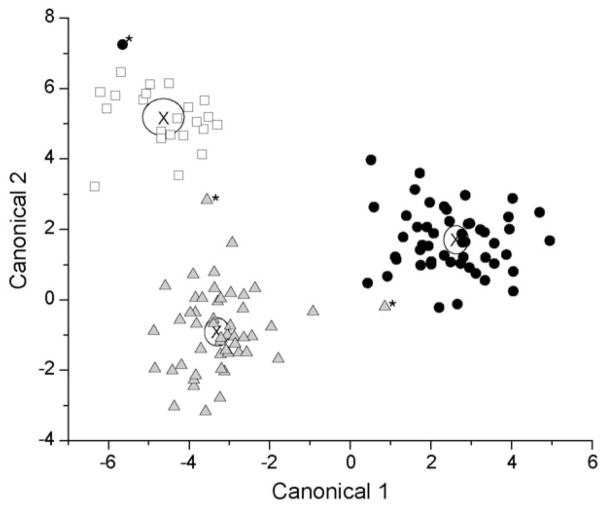
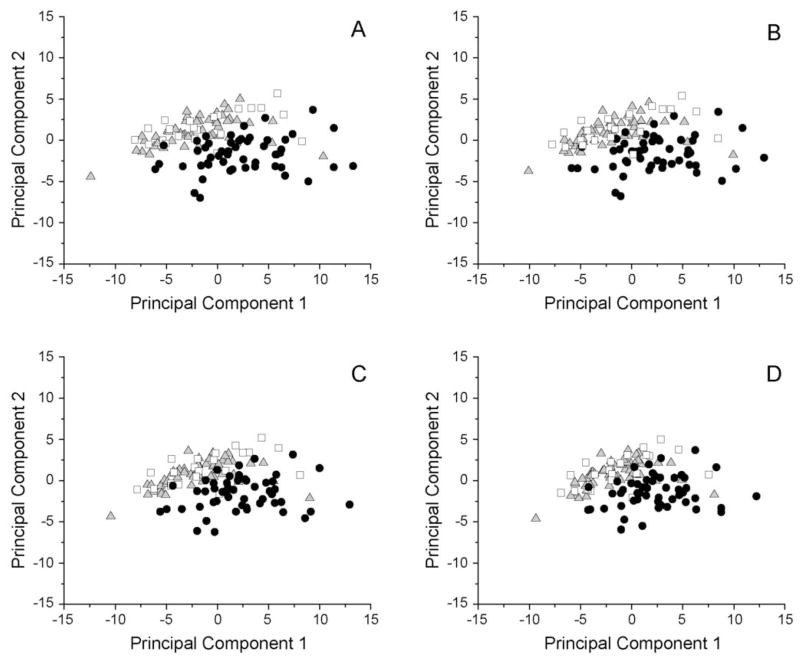
Young children are at increased risk for valproic acid (VPA) hepatotoxicity. Urinary organic acid profiles, as a surrogate of mitochondrial function, were obtained in children 1.9 to 17.3 years of age (n = 52) who were undergoing treatment with VPA for seizure disorders. Age-matched patients receiving treatment with carbamazepine (CBZ; n = 50) and healthy children not undergoing treatment (n = 22) served as controls. Age-related changes in organic acid profiles were observed in all three groups. Although the untreated and CBZ control groups were indistinguishable from each other with respect to the principal-component analysis (PCA) score plots of the subjects, a distinct boundary was apparent between the VPA and each of the control groups. Interindividual variability was observed in the VPA-induced alterations in endogenous pathways corresponding to branched-chain amino acid metabolism and oxidative stress. The data suggest that more detailed metabolomic analysis may provide novel insights into biological mechanisms and predictive biomarkers for children at highest risk for serious toxicity.
儿童服用丙戊酸(VPA)后更易发生肝毒性。我们检测了正在接受 VPA 治疗的 1.9 至 17.3 岁癫痫患儿(n=52)的尿有机酸谱,以替代线粒体功能。我们还选取了接受卡马西平(CBZ)治疗的年龄匹配的患者(n=50)和未接受治疗的健康儿童(n=22)作为对照。三组儿童的有机酸谱均随年龄变化。虽然未治疗组和 CBZ 对照组的主成分分析(PCA)评分图彼此之间无法区分,但 VPA 组与每组对照组之间存在明显的界限。VPA 诱导的内源性途径变化在支链氨基酸代谢和氧化应激方面存在个体间差异。这些数据表明,更详细的代谢组学分析可能为高危儿童的严重毒性的生物学机制和预测生物标志物提供新的见解。