Karlsruher Institute of Technology, Institute of Toxicology and Genetics, PO-Box 3640, 76021 Karlsruhe, Germany.
Cell Commun Signal. 2011 May 24;9:15. doi: 10.1186/1478-811X-9-15.
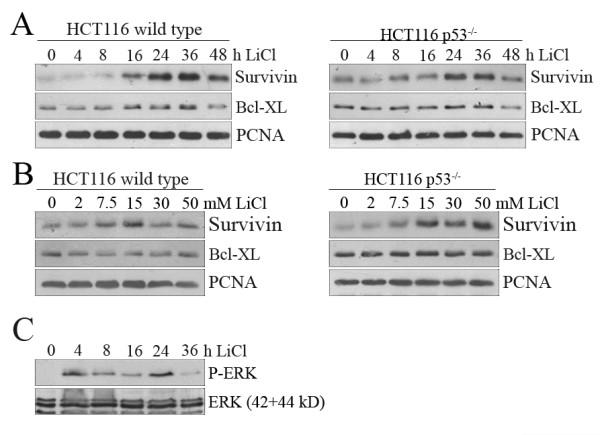
The incidence of cancer in patients with neurological diseases, who have been treated with LiCl, is below average. LiCl is a well-established inhibitor of Glycogen synthase kinase-3, a kinase that controls several cellular processes, among which is the degradation of the tumour suppressor protein p53. We therefore wondered whether LiCl induces p53-dependent cell death in cancer cell lines and experimental tumours.
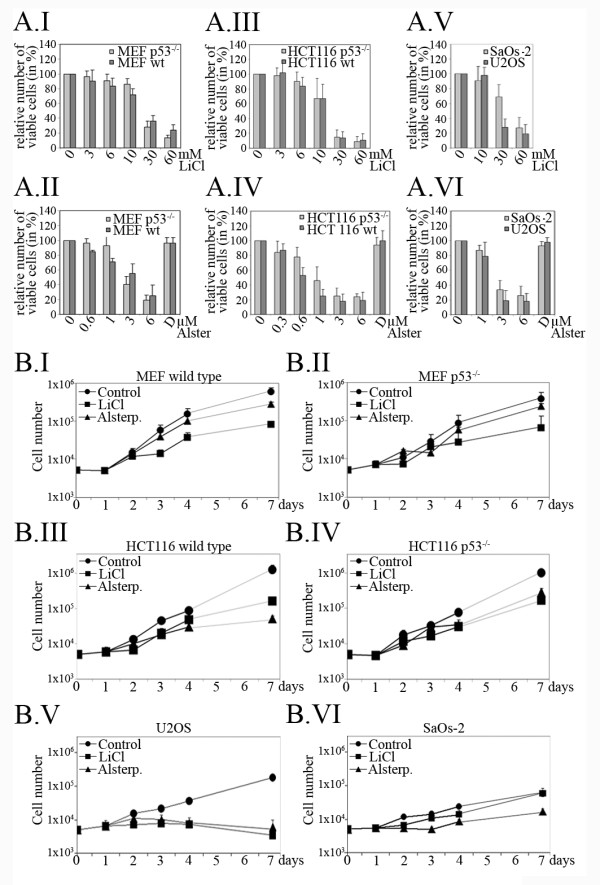
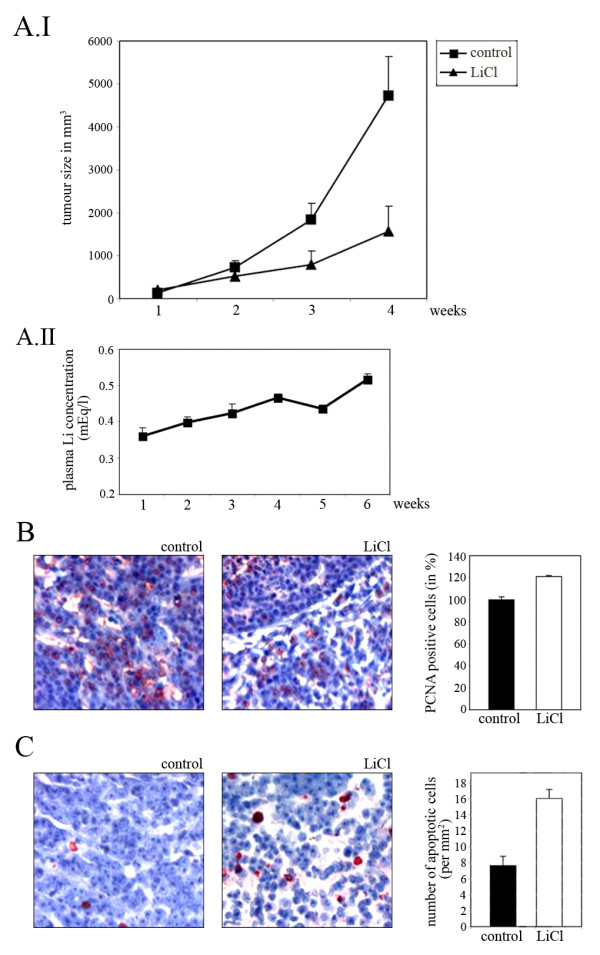
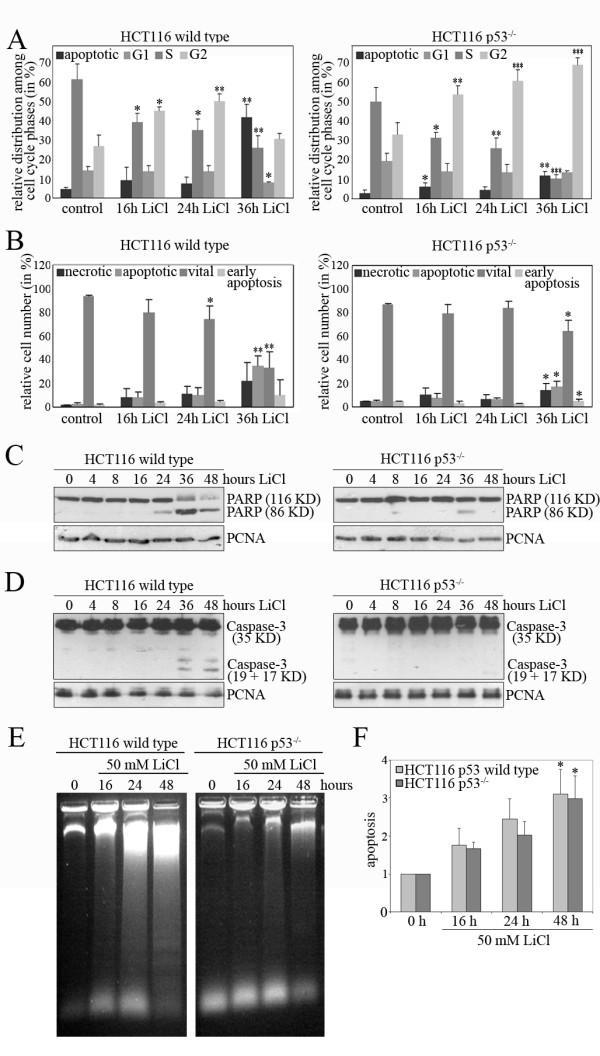
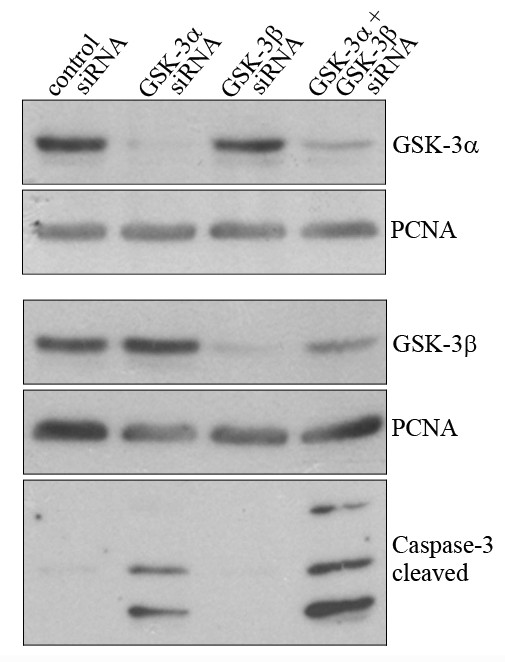
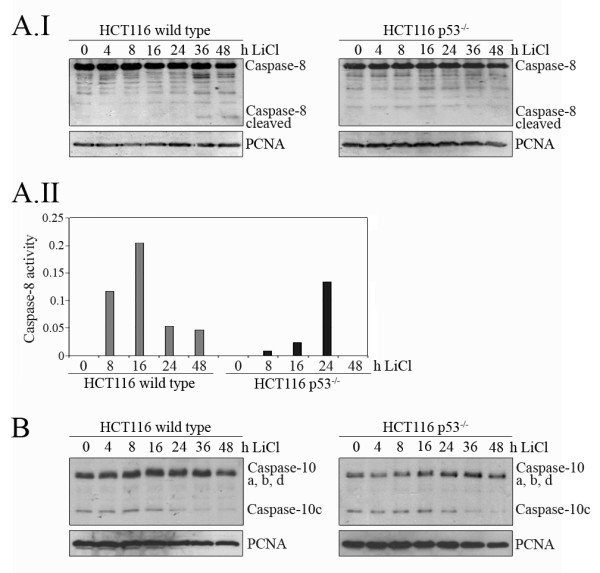
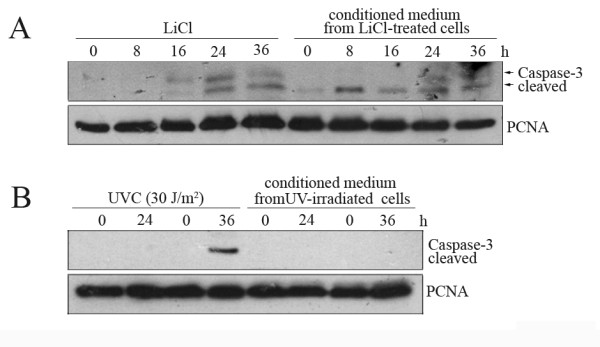
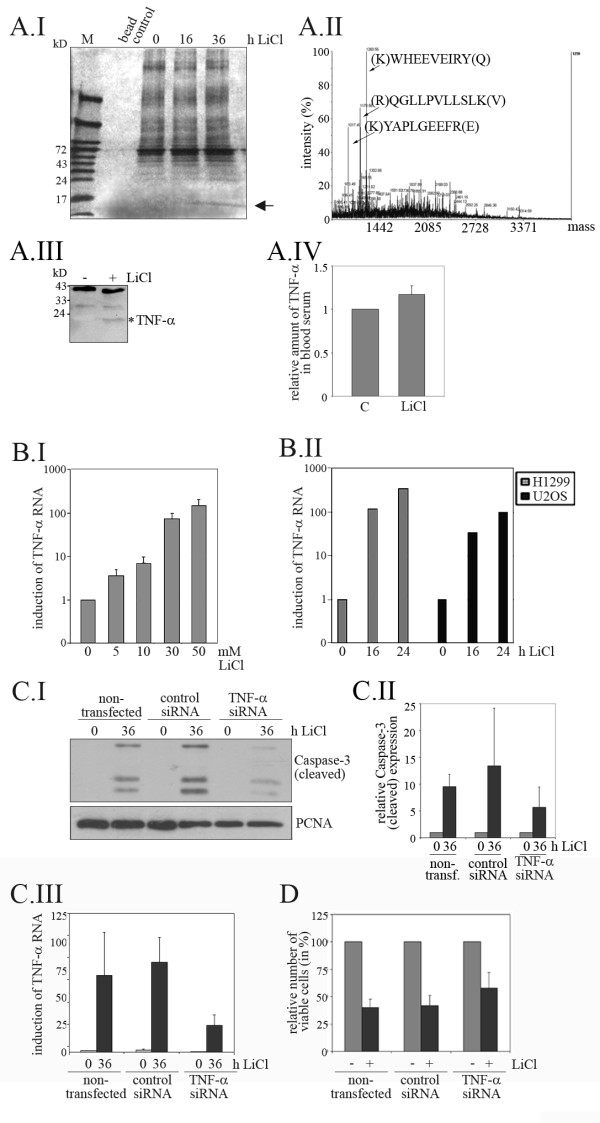
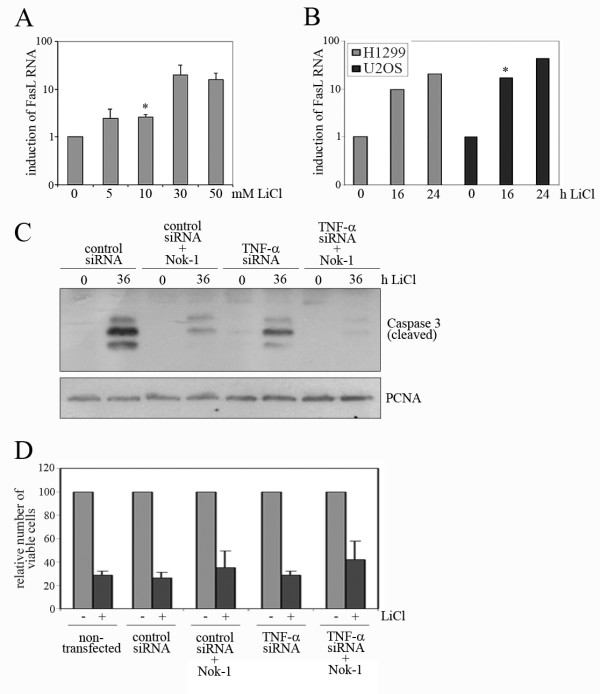
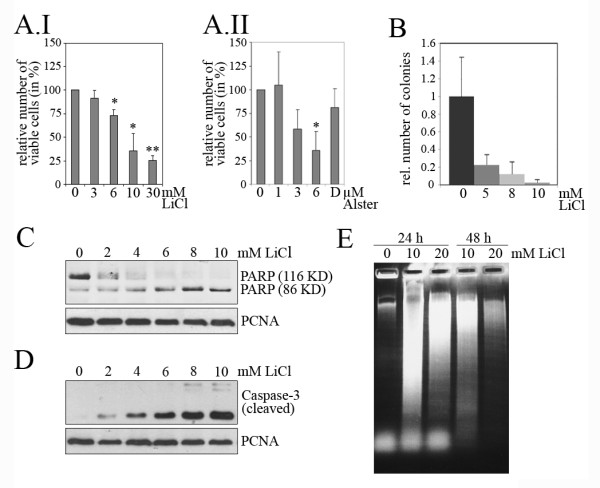
Here we show that LiCl induces apoptosis of tumour cells both in vitro and in vivo. Cell death was accompanied by cleavage of PARP and Caspases-3, -8 and -10. LiCl-induced cell death was not dependent on p53, but was augmented by its presence. Treatment of tumour cells with LiCl strongly increased TNF-α and FasL expression. Inhibition of TNF-α induction using siRNA or inhibition of FasL binding to its receptor by the Nok-1 antibody potently reduced LiCl-dependent cleavage of Caspase-3 and increased cell survival. Treatment of xenografted rats with LiCl strongly reduced tumour growth.
Induction of cell death by LiCl supports the notion that GSK-3 may represent a promising target for cancer therapy. LiCl-induced cell death is largely independent of p53 and mediated by the release of TNF-α and FasL.Key words: LiCl, TNF-α, FasL, apoptosis, GSK-3, FasL.
接受 LiCl 治疗的神经疾病患者的癌症发病率低于平均水平。LiCl 是一种成熟的糖原合酶激酶-3(GSK-3)抑制剂,GSK-3 控制着多种细胞过程,包括肿瘤抑制蛋白 p53 的降解。因此,我们想知道 LiCl 是否会诱导癌细胞系和实验性肿瘤中的 p53 依赖性细胞死亡。
我们发现 LiCl 可在体外和体内诱导肿瘤细胞凋亡。细胞死亡伴随着 PARP 和 Caspases-3、-8 和 -10 的切割。LiCl 诱导的细胞死亡不依赖于 p53,但 p53 的存在会增强这种作用。LiCl 处理肿瘤细胞可强烈增加 TNF-α 和 FasL 的表达。使用 siRNA 抑制 TNF-α 的诱导或使用 Nok-1 抗体抑制 FasL 与其受体的结合可强烈减少 Caspase-3 的切割,并增加细胞存活率。LiCl 治疗异种移植大鼠可强烈抑制肿瘤生长。
LiCl 诱导的细胞死亡支持 GSK-3 可能成为癌症治疗的一个有前途的靶点的观点。LiCl 诱导的细胞死亡在很大程度上独立于 p53,并通过 TNF-α 和 FasL 的释放介导。关键词:LiCl、TNF-α、FasL、凋亡、GSK-3、FasL。