Department of Microbiology, Queen Mary Hospital, Hong Kong Special Administrative Region, China.
BMC Infect Dis. 2011 May 26;11:151. doi: 10.1186/1471-2334-11-151.
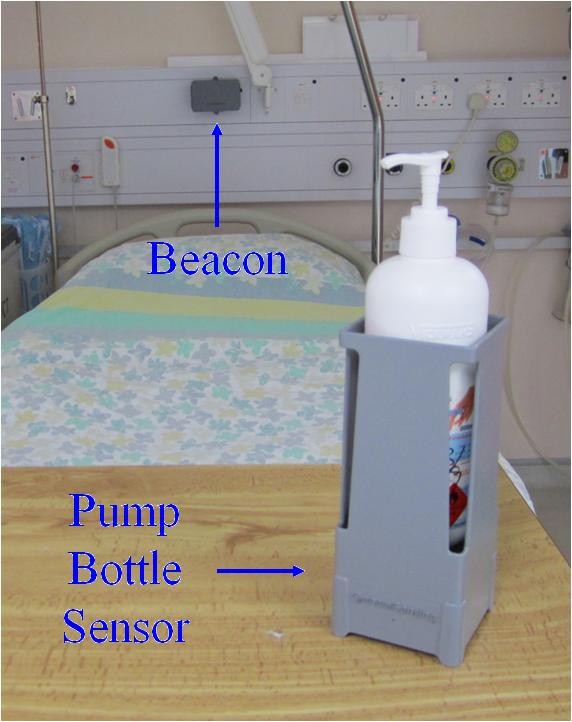
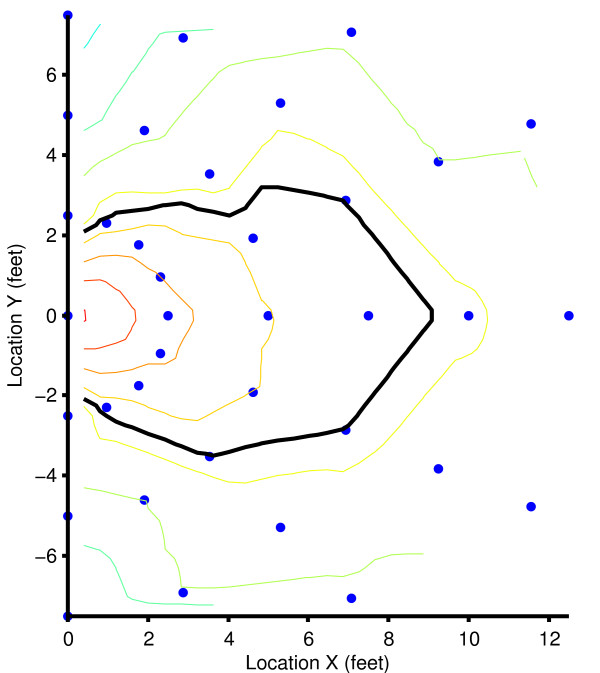
MedSense is an electronic hand hygiene compliance monitoring system that provides Infection Control Practitioners with continuous access to hand hygiene compliance information by monitoring Moments 1 and 4 of the WHO "My 5 Moments for Hand Hygiene" guidelines. Unlike previous electronic monitoring systems, MedSense operates in open cubicles with multiple beds and does not disrupt existing workflows.
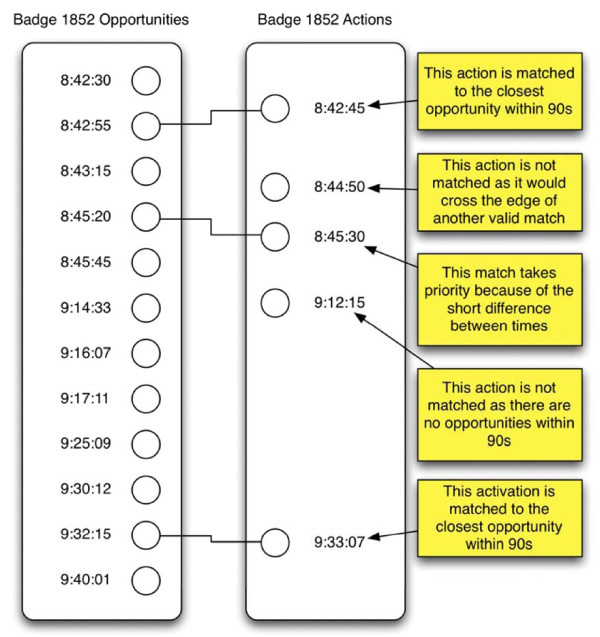
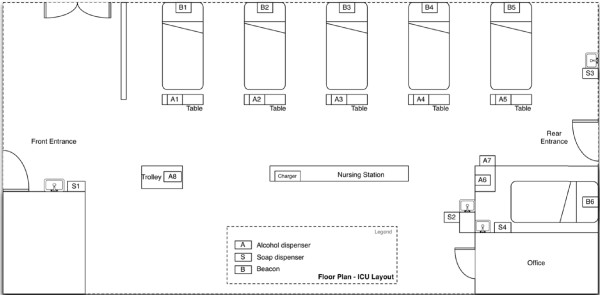
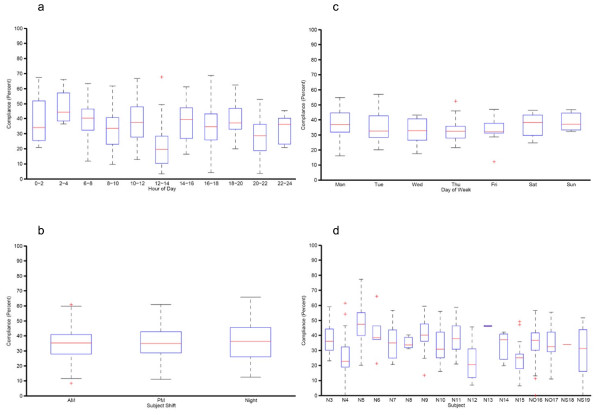
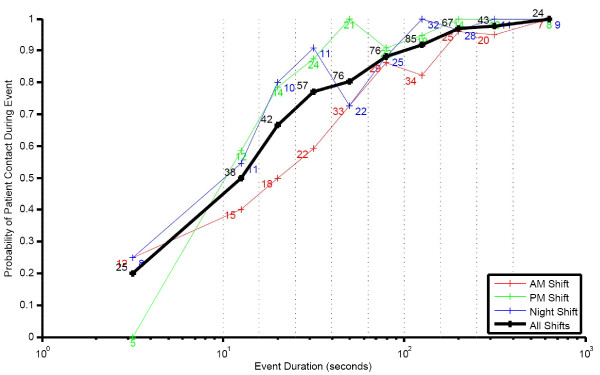
This study was conducted in a 6-bed neurosurgical intensive care unit with technical development and evaluation phases. Healthcare workers (HCWs) wore an electronic device in the style of an identity badge to detect hand hygiene opportunities and compliance. We compared the compliance determined by the system and an infection control nurse. At the same time, the system assessed compliance by time of day, day of week, work shift, professional category of HCWs, and individual subject, while the workload of HCWs was monitored by measuring the amount of time they spent in patient zones.
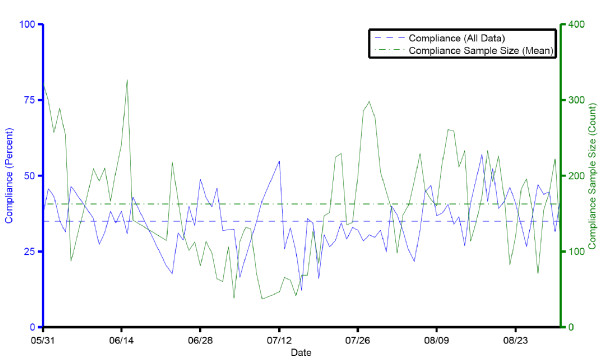
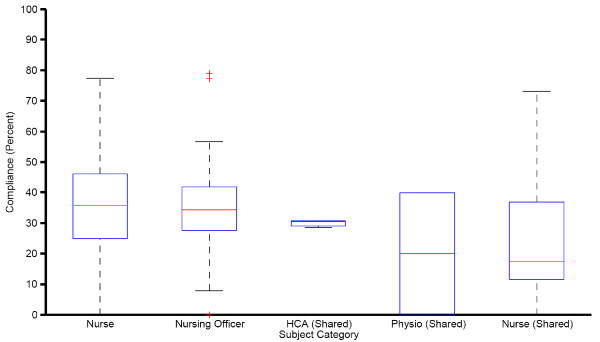
During the three-month evaluation phase, the system identified 13,694 hand hygiene opportunities from 17 nurses, 3 physiotherapists, and 1 healthcare assistant, resulting in an overall compliance of 35.1% for the unit. The per-indication compliance for Moment 1, 4, and simultaneous 1 and 4 were 21.3% (95%CI: 19.0, 23.6), 39.6% (95%CI: 37.3, 41.9), and 49.2% (95%CI: 46.6, 51.8), respectively, and were all statistically significantly different (p < 0.001). In the four 20-minute sessions when hand hygiene was monitored concurrently by the system and infection control nurse, the compliance were 88.9% and 95.6% respectively (p = 0.34), and the activity indices were 11.1 and 12.9 opportunities per hour, respectively. The hours from 12:00 to 14:00 had a notably lower compliance (21.3%, 95%CI: 17.2, 25.3) than nearly three quarters of the other periods of the day (p < 0.001). Nurses who used shared badges had significantly (p < 0.01) lower compliance (23.7%, 95%CI: 17.8, 29.6) than both the registered nurses (36.1%, 95%CI: 34.2, 37.9) and nursing officers (34.0%, 95%CI: 31.1, 36.9) who used named badges.
MedSense provides an unobtrusive and objective measurement of hand hygiene compliance. The information is important for staff training by the infection control team and allocation of manpower by hospital administration.
MedSense 是一种电子手部卫生依从性监测系统,通过监测世界卫生组织“五个手部卫生时刻”指南的时刻 1 和 4,为感染控制从业人员提供持续的手部卫生依从性信息。与以前的电子监测系统不同,MedSense 在有多个床位的开放式小隔间中运行,不会干扰现有的工作流程。
本研究在一个 6 张床位的神经外科重症监护病房进行,包括技术开发和评估阶段。医护人员(HCWs)佩戴电子设备,类似于身份证,以检测手部卫生机会和依从性。我们将系统确定的依从性与感染控制护士进行了比较。同时,系统根据一天中的时间、一周中的天数、工作班次、HCWs 的专业类别和个人主体评估依从性,而 HCWs 的工作量则通过测量他们在患者区花费的时间来监测。
在三个月的评估阶段,该系统从 17 名护士、3 名物理治疗师和 1 名医疗助理识别出 13694 次手部卫生机会,导致该单位的整体依从率为 35.1%。时刻 1、4 和同时 1 和 4 的每项指征的依从率分别为 21.3%(95%CI:19.0,23.6)、39.6%(95%CI:37.3,41.9)和 49.2%(95%CI:46.6,51.8),均具有统计学显著差异(p < 0.001)。在系统和感染控制护士同时监测的四个 20 分钟时段中,依从率分别为 88.9%和 95.6%(p = 0.34),活动指数分别为每小时 11.1 和 12.9 次机会。从 12:00 到 14:00 的时间段的依从率明显较低(21.3%,95%CI:17.2,25.3),低于一天中近四分之三的其他时间段(p < 0.001)。使用共享徽章的护士的依从率明显(p < 0.01)低于注册护士(36.1%,95%CI:34.2,37.9)和护理主任(34.0%,95%CI:31.1,36.9),他们使用命名徽章。
MedSense 提供了一种非侵入性和客观的手部卫生依从性测量方法。该信息对于感染控制团队的员工培训和医院管理部门的人力分配非常重要。