Laboratory of Behavioral Neuroscience, National Institute of Mental Health, Bethesda, Maryland, United States of America.
PLoS One. 2011;6(6):e20631. doi: 10.1371/journal.pone.0020631. Epub 2011 Jun 9.
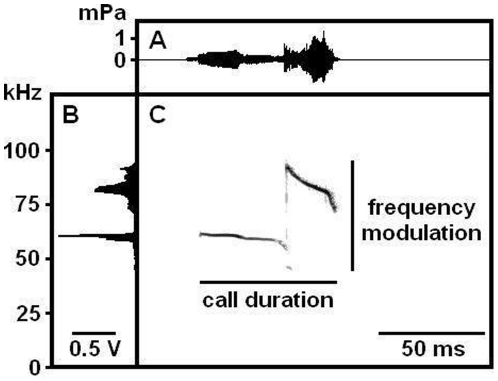
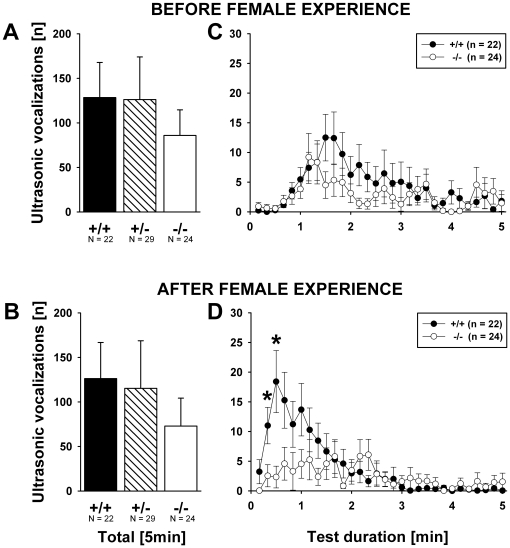
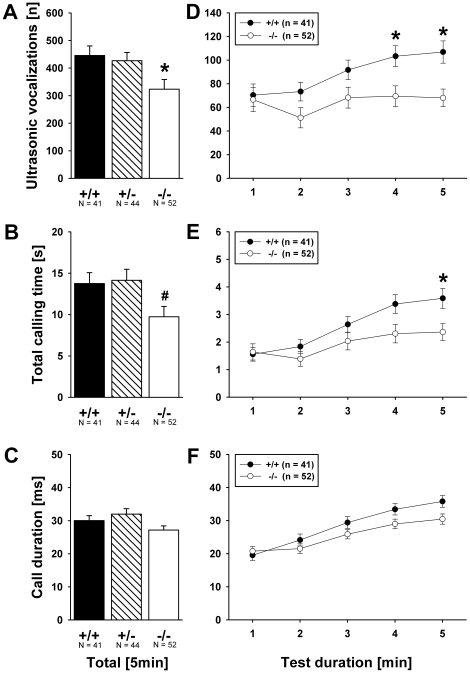
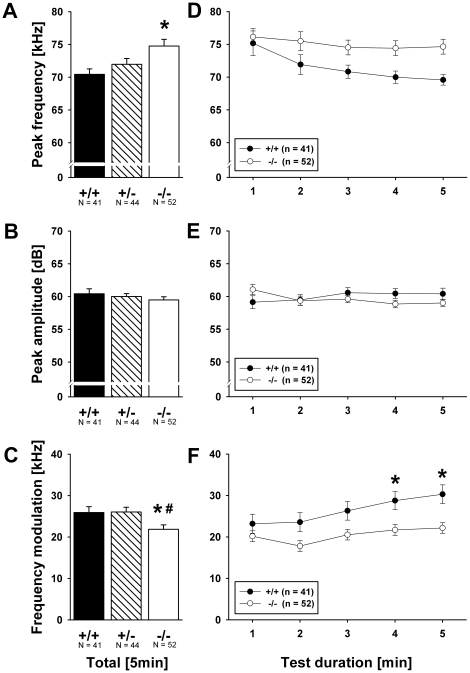
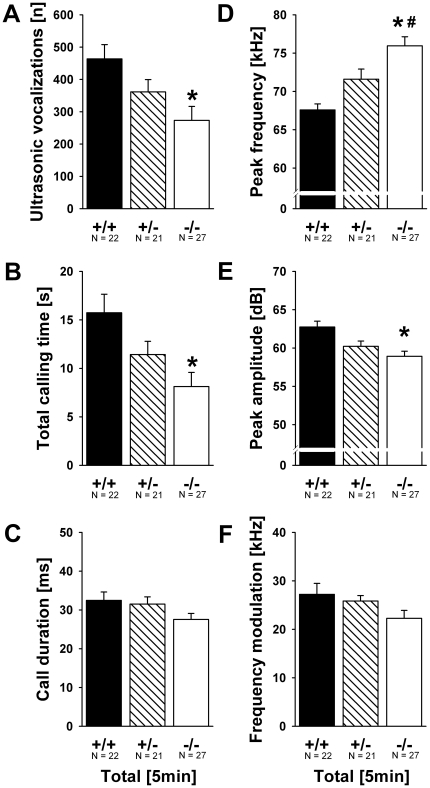
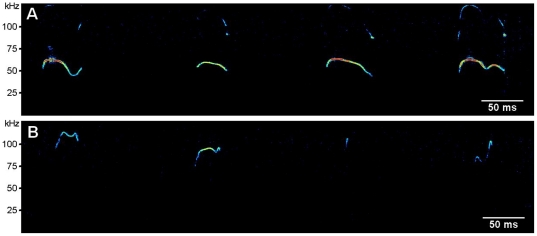
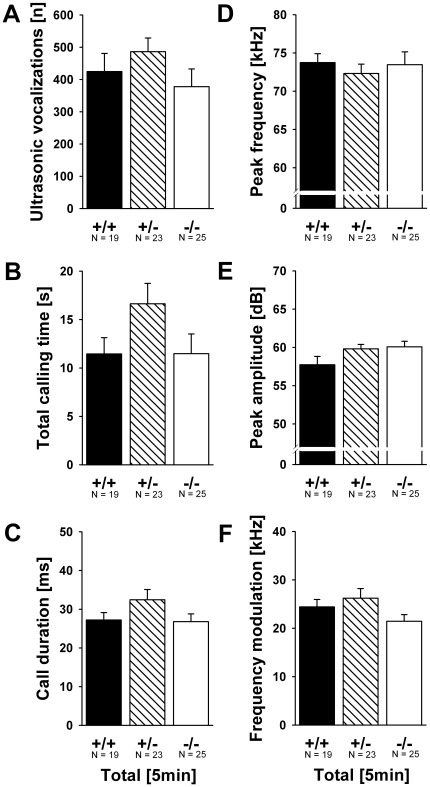
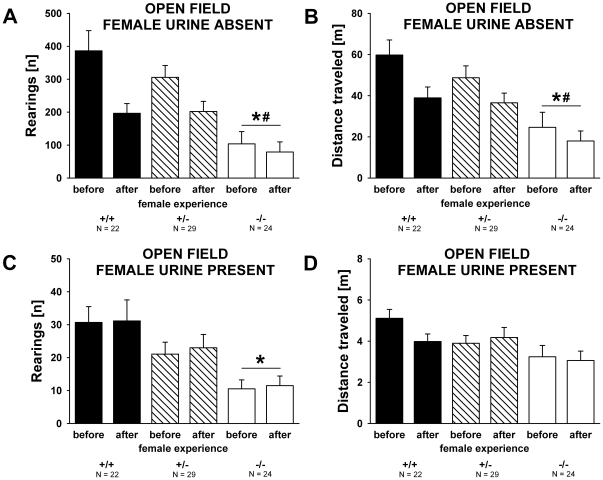
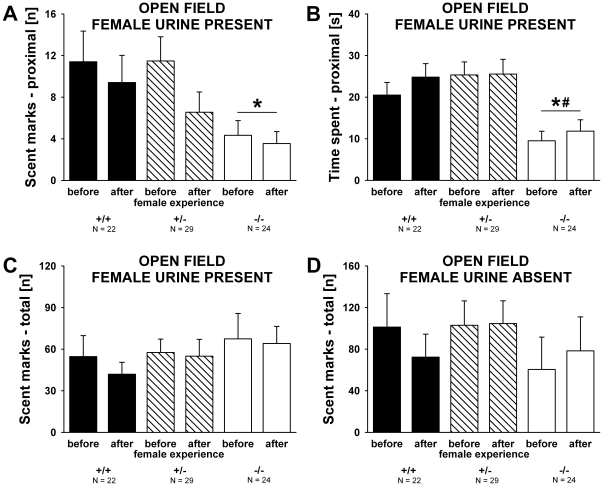
Autism is a neurodevelopmental disorder with a strong genetic component. Core symptoms are abnormal reciprocal social interactions, qualitative impairments in communication, and repetitive and stereotyped patterns of behavior with restricted interests. Candidate genes for autism include the SHANK gene family, as mutations in SHANK2 and SHANK3 have been detected in several autistic individuals. SHANK genes code for a family of scaffolding proteins located in the postsynaptic density of excitatory synapses. To test the hypothesis that a mutation in SHANK1 contributes to the symptoms of autism, we evaluated Shank1(-/-) null mutant mice for behavioral phenotypes with relevance to autism, focusing on social communication. Ultrasonic vocalizations and the deposition of scent marks appear to be two major modes of mouse communication. Our findings revealed evidence for low levels of ultrasonic vocalizations and scent marks in Shank1(-/-) mice as compared to wildtype Shank1(+/+) littermate controls. Shank1(-/-) pups emitted fewer vocalizations than Shank1(+/+) pups when isolated from mother and littermates. In adulthood, genotype affected scent marking behavior in the presence of female urinary pheromones. Adult Shank1(-/-) males deposited fewer scent marks in proximity to female urine than Shank1(+/+) males. Call emission in response to female urinary pheromones also differed between genotypes. Shank1(+/+) mice changed their calling pattern dependent on previous female interactions, while Shank1(-/-) mice were unaffected, indicating a failure of Shank1(-/-) males to learn from a social experience. The reduced levels of ultrasonic vocalizations and scent marking behavior in Shank1(-/-) mice are consistent with a phenotype relevant to social communication deficits in autism.
自闭症是一种具有强烈遗传成分的神经发育障碍。核心症状是异常的互惠社会互动、沟通方面的质的缺陷,以及行为的重复和刻板模式,伴有受限的兴趣。自闭症的候选基因包括 SHANK 基因家族,因为已经在几个自闭症个体中检测到 SHANK2 和 SHANK3 的突变。SHANK 基因编码位于兴奋性突触后密度的支架蛋白家族。为了测试 SHANK1 突变导致自闭症症状的假设,我们评估了 Shank1(-/-) 缺失突变体小鼠与自闭症相关的行为表型,重点关注社交沟通。超声发声和气味标记的沉积似乎是两种主要的小鼠交流模式。我们的研究结果表明,与野生型 Shank1(+/+)同窝对照相比,Shank1(-/-)小鼠的超声发声和气味标记水平较低。与 Shank1(+/+)幼鼠相比,Shank1(-/-)幼鼠在与母亲和同窝幼鼠分离时发出的叫声较少。成年后,基因型影响了在雌性尿气味存在下的气味标记行为。成年 Shank1(-/-)雄性在靠近雌性尿液的地方标记的气味标记比 Shank1(+/+)雄性少。对雌性尿气味的发声反应也因基因型而异。Shank1(+/+)小鼠根据之前的雌性相互作用改变了它们的发声模式,而 Shank1(-/-)小鼠不受影响,表明 Shank1(-/-)雄性无法从社交体验中学习。Shank1(-/-) 小鼠的超声发声和气味标记行为水平降低,与自闭症中与社交沟通缺陷相关的表型一致。