Landi Nicole, Montoya Jessica, Kober Hedy, Rutherford Helena J V, Mencl W Einar, Worhunsky Patrick D, Potenza Marc N, Mayes Linda C
Yale Child Study Center, Yale University School of Medicine New Haven, CT, USA.
Front Psychiatry. 2011 Jun 15;2:32. doi: 10.3389/fpsyt.2011.00032. eCollection 2011.
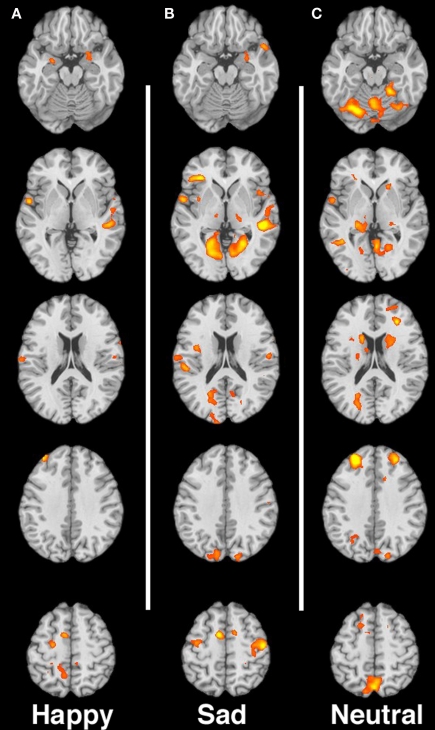
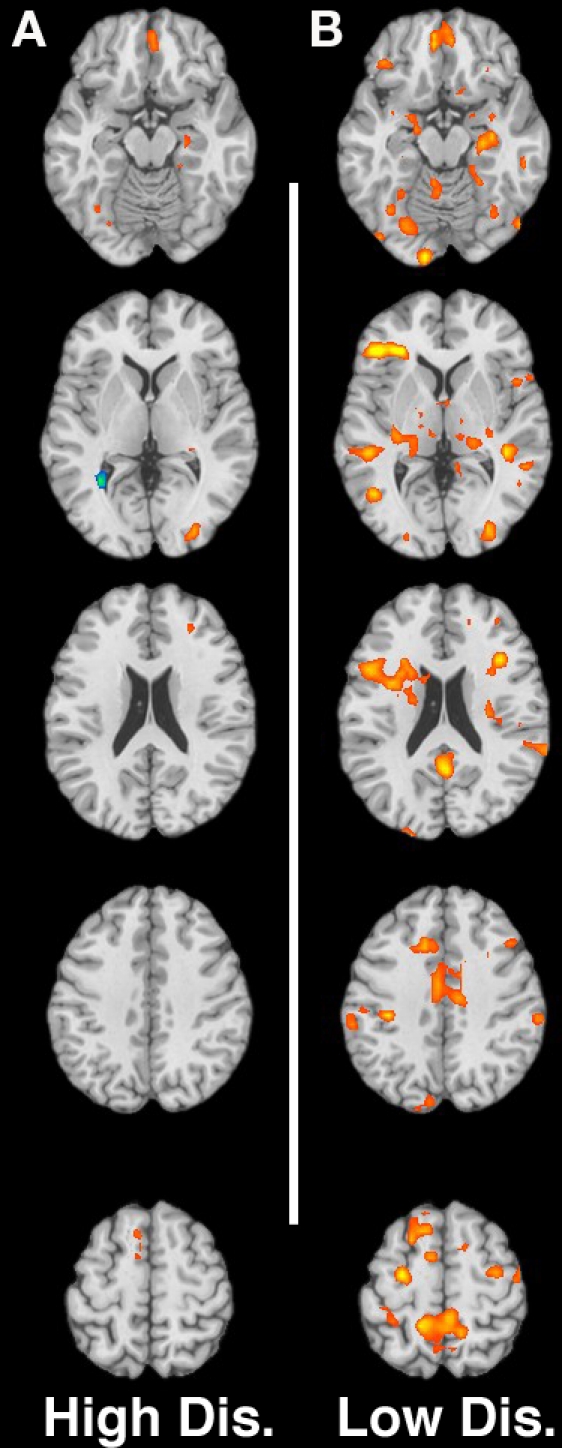
Substance abuse in pregnant and recently post-partum women is a major public health concern because of effects on the infant and on the ability of the adult to care for the infant. In addition to the negative health effects of teratogenic substances on fetal development, substance use can contribute to difficulties associated with the social and behavioral aspects of parenting. Neural circuits associated with parenting behavior overlap with circuits involved in addiction (e.g., frontal, striatal, and limbic systems) and thus may be co-opted for the craving/reward cycle associated with substance use and abuse and be less available for parenting. The current study investigates the degree to which neural circuits associated with parenting are disrupted in mothers who are substance-using. Specifically, we used functional magnetic resonance imaging to examine the neural response to emotional infant cues (faces and cries) in substance-using compared to non-using mothers. In response to both faces (of varying emotional valence) and cries (of varying distress levels), substance-using mothers evidenced reduced neural activation in regions that have been previously implicated in reward and motivation as well as regions involved in cognitive control. Specifically, in response to faces, substance users showed reduced activation in prefrontal regions, including the dorsolateral and ventromedial prefrontal cortices, as well as visual processing (occipital lobes) and limbic regions (parahippocampus and amygdala). Similarly, in response to infant cries, substance-using mothers showed reduced activation relative to non-using mothers in prefrontal regions, auditory sensory processing regions, insula and limbic regions (parahippocampus and amygdala). These findings suggest that infant stimuli may be less salient for substance-using mothers, and such reduced saliency may impair developing infant-caregiver attachment and the ability of mothers to respond appropriately to their infants.
孕期及产后不久的女性药物滥用是一个重大的公共卫生问题,因为它会对婴儿以及成年人照顾婴儿的能力产生影响。除了致畸物质对胎儿发育的负面健康影响外,药物使用还会导致与育儿的社会和行为方面相关的困难。与育儿行为相关的神经回路与成瘾相关的回路(如额叶、纹状体和边缘系统)重叠,因此可能会被用于与药物使用和滥用相关的渴望/奖励循环,从而减少了用于育儿的神经回路。本研究调查了药物使用母亲中与育儿相关的神经回路受到干扰的程度。具体而言,我们使用功能磁共振成像来检查药物使用母亲与非药物使用母亲相比,对情绪化婴儿线索(面孔和哭声)的神经反应。在面对不同情绪效价的面孔和不同痛苦程度的哭声时,药物使用母亲在先前与奖励和动机以及认知控制相关的区域中表现出神经激活减少。具体来说,在面对面孔时,药物使用者在额叶区域,包括背外侧和腹内侧前额叶皮层,以及视觉处理区域(枕叶)和边缘区域(海马旁回和杏仁核)的激活减少。同样,在听到婴儿哭声时,与非药物使用母亲相比,药物使用母亲在额叶区域、听觉感觉处理区域、脑岛和边缘区域(海马旁回和杏仁核)的激活减少。这些发现表明,婴儿刺激对药物使用母亲来说可能不那么突出,而这种显著性降低可能会损害婴儿与照顾者之间的依恋关系发展以及母亲对婴儿做出适当反应的能力。