Li Ting, Horta Marilyn, Mascaro Jennifer S, Bijanki Kelly, Arnal Luc H, Adams Melissa, Barr Ronald G, Rilling James K
Department of Anthropology, Emory University, United States.
Department of Psychology, University of Florida, United States.
Physiol Behav. 2018 Sep 1;193(Pt A):43-54. doi: 10.1016/j.physbeh.2017.12.033. Epub 2018 May 3.
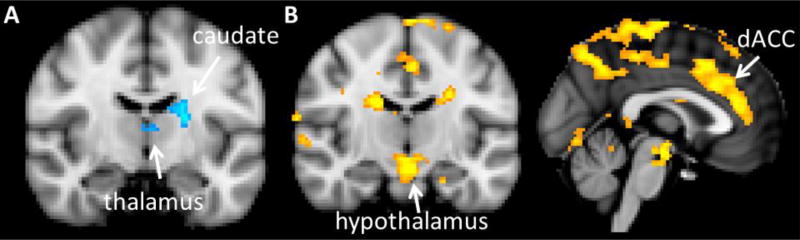
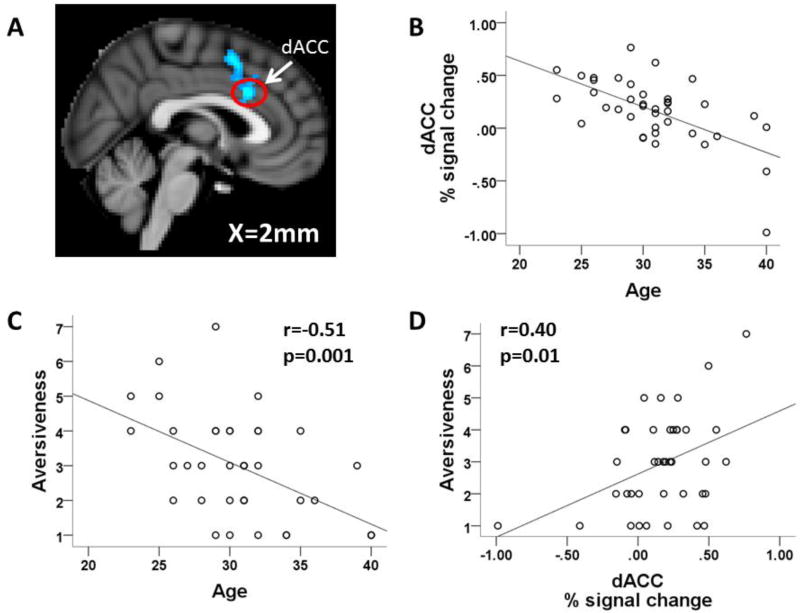
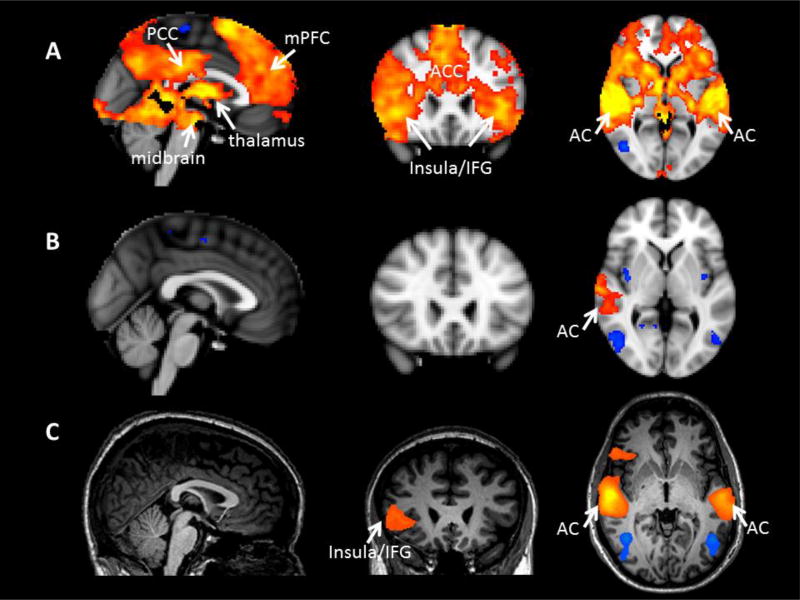
Crying is the principal means by which newborn infants shape parental behavior to meet their needs. While this mechanism can be highly effective, infant crying can also be an aversive stimulus that leads to parental frustration and even abuse. Fathers have recently become more involved in direct caregiving activities in modern, developed nations, and fathers are more likely than mothers to physically abuse infants. In this study, we attempt to explain variation in the neural response to infant crying among human fathers, with the hope of identifying factors that are associated with a more or less sensitive response. We imaged brain function in 39 first-time fathers of newborn infants as they listened to both their own and a standardized unknown infant cry stimulus, as well as auditory control stimuli, and evaluated whether these neural responses were correlated with measured characteristics of fathers and infants that were hypothesized to modulate these responses. Fathers also provided subjective ratings of each cry stimulus on multiple dimensions. Fathers showed widespread activation to both own and unknown infant cries in neural systems involved in empathy and approach motivation. There was no significant difference in the neural response to the own vs. unknown infant cry, and many fathers were unable to distinguish between the two cries. Comparison of these results with previous studies in mothers revealed a high degree of similarity between first-time fathers and first-time mothers in the pattern of neural activation to newborn infant cries. Further comparisons suggested that younger infant age was associated with stronger paternal neural responses, perhaps due to hormonal or novelty effects. In our sample, older fathers found infant cries less aversive and had an attenuated response to infant crying in both the dorsal anterior cingulate cortex (dACC) and the anterior insula, suggesting that compared with younger fathers, older fathers may be better able to avoid the distress associated with empathic over-arousal in response to infant cries. A principal components analysis revealed that fathers with more negative emotional reactions to the unknown infant cry showed decreased activation in the thalamus and caudate nucleus, regions expected to promote positive parental behaviors, as well as increased activation in the hypothalamus and dorsal ACC, again suggesting that empathic over-arousal might result in negative emotional reactions to infant crying. In sum, our findings suggest that infant age, paternal age and paternal emotional reactions to infant crying all modulate the neural response of fathers to infant crying. By identifying neural correlates of variation in paternal subjective reactions to infant crying, these findings help lay the groundwork for evaluating the effectiveness of interventions designed to increase paternal sensitivity and compassion.
哭泣是新生儿塑造父母行为以满足自身需求的主要方式。虽然这种机制可能非常有效,但婴儿哭泣也可能是一种厌恶刺激,会导致父母沮丧甚至虐待行为。在现代发达国家,父亲最近更多地参与到直接照顾婴儿的活动中,而且父亲比母亲更有可能对婴儿进行身体虐待。在本研究中,我们试图解释人类父亲对婴儿哭泣的神经反应差异,希望找出与反应敏感程度或多或少相关的因素。我们对39名新生儿的初为人父者在聆听自己孩子和标准化的陌生婴儿哭声刺激以及听觉控制刺激时的脑功能进行成像,并评估这些神经反应是否与假设会调节这些反应的父亲和婴儿的测量特征相关。父亲们还对每种哭声刺激在多个维度上给出主观评分。父亲们在涉及同理心和接近动机的神经系统中,对自己孩子和陌生婴儿的哭声都表现出广泛的激活。对自己孩子的哭声和陌生婴儿哭声的神经反应没有显著差异,而且许多父亲无法区分这两种哭声。将这些结果与之前对母亲的研究进行比较发现,初为人父者和初为人母者在对新生儿哭声的神经激活模式上有高度相似性。进一步比较表明,婴儿年龄越小,父亲的神经反应越强,这可能是由于激素或新奇效应。在我们的样本中,年龄较大的父亲觉得婴儿哭声的厌恶程度较低,并且在背侧前扣带回皮质(dACC)和前脑岛对婴儿哭声的反应减弱,这表明与年轻父亲相比,年龄较大的父亲可能更能避免因对婴儿哭声产生过度共情唤起而带来的困扰。主成分分析显示,对陌生婴儿哭声有更负面情绪反应的父亲,其丘脑和尾状核的激活减少,而这两个区域预计会促进积极的父母行为,同时下丘脑和背侧前扣带回皮质的激活增加,这再次表明过度共情唤起可能会导致对婴儿哭声产生负面情绪反应。总之,我们的研究结果表明,婴儿年龄、父亲年龄以及父亲对婴儿哭声的情绪反应都会调节父亲对婴儿哭声的神经反应。通过确定父亲对婴儿哭声主观反应差异的神经关联,这些发现有助于为评估旨在提高父亲敏感性和同情心的干预措施的有效性奠定基础。