Materials Sciences Division, Lawrence Berkeley National Laboratory, Berkeley, CA 94720, USA.
Acta Biomater. 2011 Oct;7(10):3547-54. doi: 10.1016/j.actbio.2011.06.030. Epub 2011 Jun 28.
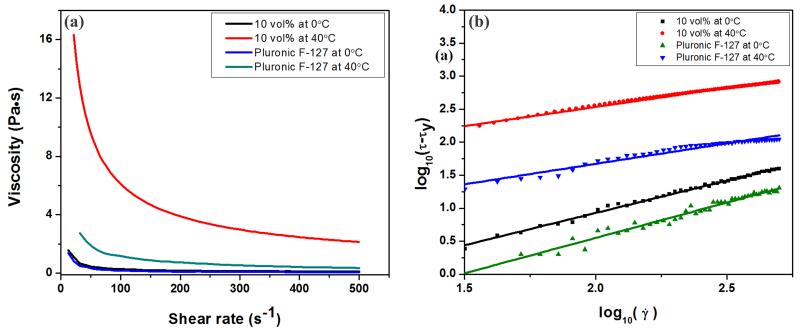
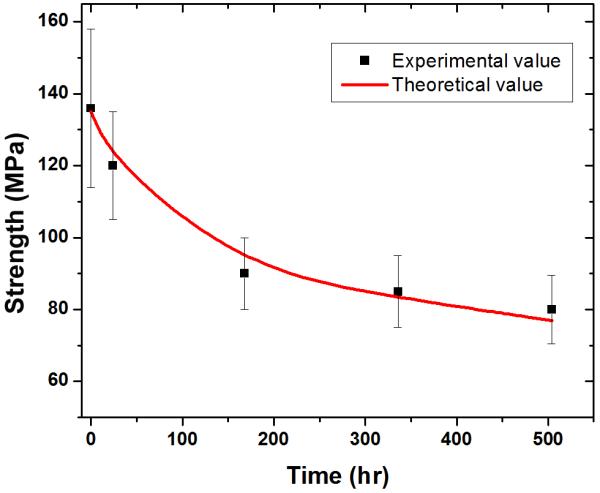
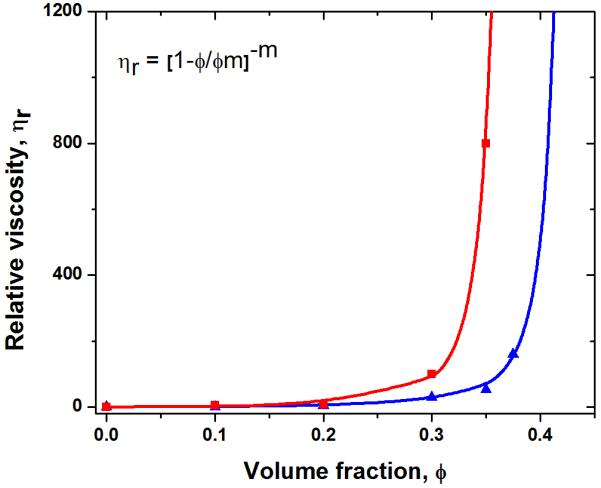
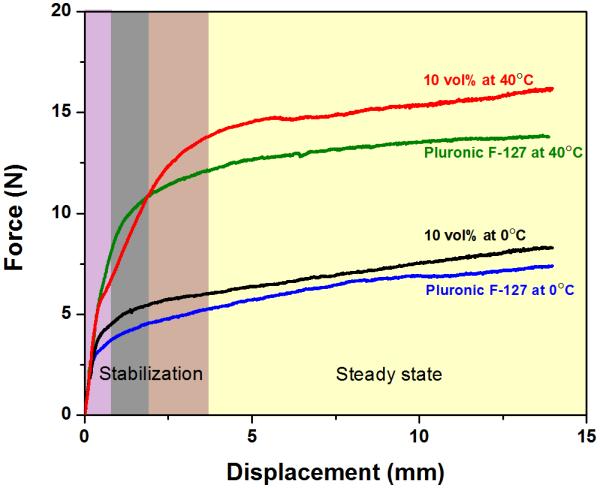
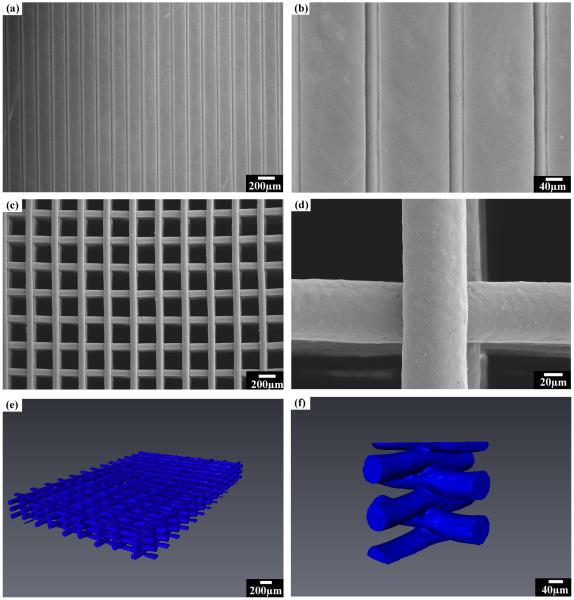
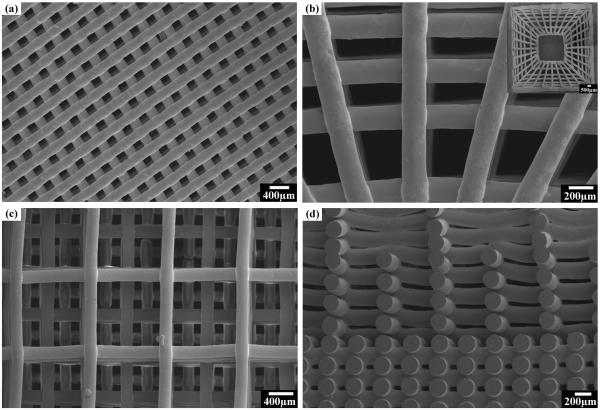
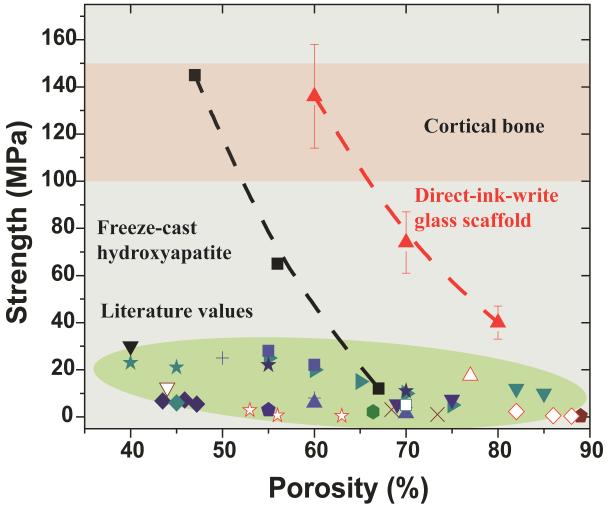
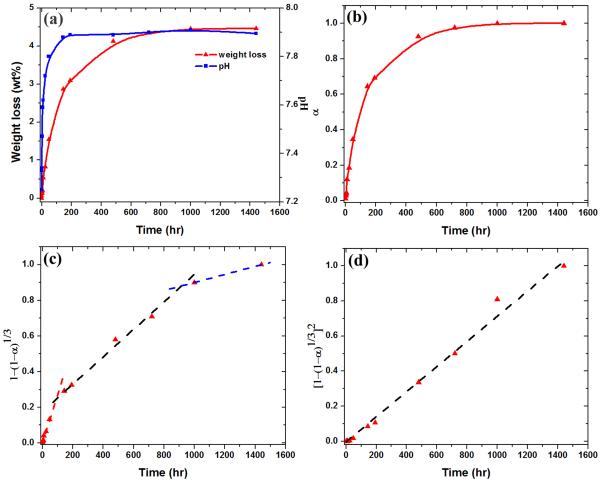
The quest for synthetic materials to repair load-bearing bone lost because of trauma, cancer, or congenital bone defects requires the development of porous, high-performance scaffolds with exceptional mechanical strength. However, the low mechanical strength of porous bioactive ceramic and glass scaffolds, compared with that of human cortical bone, has limited their use for these applications. In the present work bioactive 6P53B glass scaffolds with superior mechanical strength were fabricated using a direct ink writing technique. The rheological properties of Pluronic® F-127 (referred to hereafter simply as F-127) hydrogel-based inks were optimized for the printing of features as fine as 30 μm and of three-dimensional scaffolds. The mechanical strength and in vitro degradation of the scaffolds were assessed in a simulated body fluid (SBF). The sintered glass scaffolds showed a compressive strength (136 ± 22 MPa) comparable with that of human cortical bone (100-150 MPa), while the porosity (60%) was in the range of that of trabecular bone (50-90%). The strength is ~100-times that of polymer scaffolds and 4-5-times that of ceramic and glass scaffolds with comparable porosities. Despite the strength decrease resulting from weight loss during immersion in SBF, the value (77 MPa) is still far above that of trabecular bone after 3 weeks. The ability to create both porous and strong structures opens a new avenue for fabricating scaffolds for load-bearing bone defect repair and regeneration.
为了修复因创伤、癌症或先天性骨缺陷而失去的承重骨,人们一直在寻找合成材料,这需要开发具有出色机械强度的多孔、高性能支架。然而,与人类皮质骨相比,多孔生物活性陶瓷和玻璃支架的机械强度较低,限制了它们在这些应用中的使用。在本工作中,使用直接墨水书写技术制备了具有优异机械强度的生物活性 6P53B 玻璃支架。优化了 Pluronic® F-127(简称 F-127)水凝胶基油墨的流变性能,以打印出精细至 30 μm 的特征和三维支架。评估了支架的机械强度和体外降解性能在模拟体液(SBF)中。烧结玻璃支架的抗压强度(136 ± 22 MPa)与人类皮质骨(100-150 MPa)相当,而孔隙率(60%)在小梁骨(50-90%)的范围内。强度比聚合物支架高约 100 倍,比具有相似孔隙率的陶瓷和玻璃支架高 4-5 倍。尽管在 SBF 中浸泡导致重量损失导致强度降低,但在 3 周后,其值(77 MPa)仍远高于小梁骨。能够制造多孔和强结构的能力为制造用于承重骨缺陷修复和再生的支架开辟了新途径。