AI Virtanen Institute for Molecular Sciences, University of Eastern Finland, Kuopio, Finland.
J Cell Mol Med. 2012 May;16(5):1060-73. doi: 10.1111/j.1582-4934.2011.01390.x.
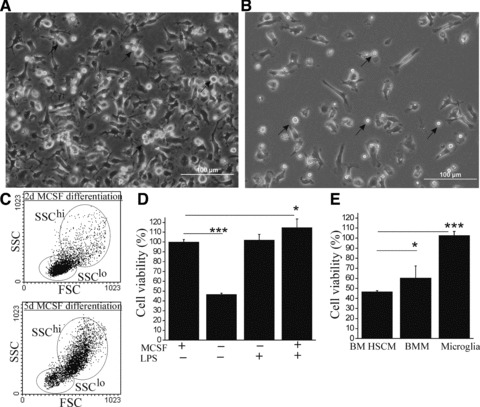
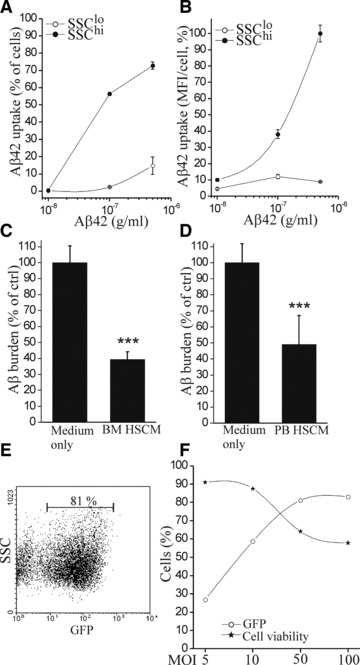
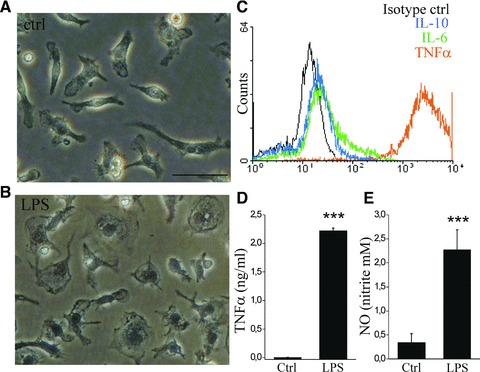
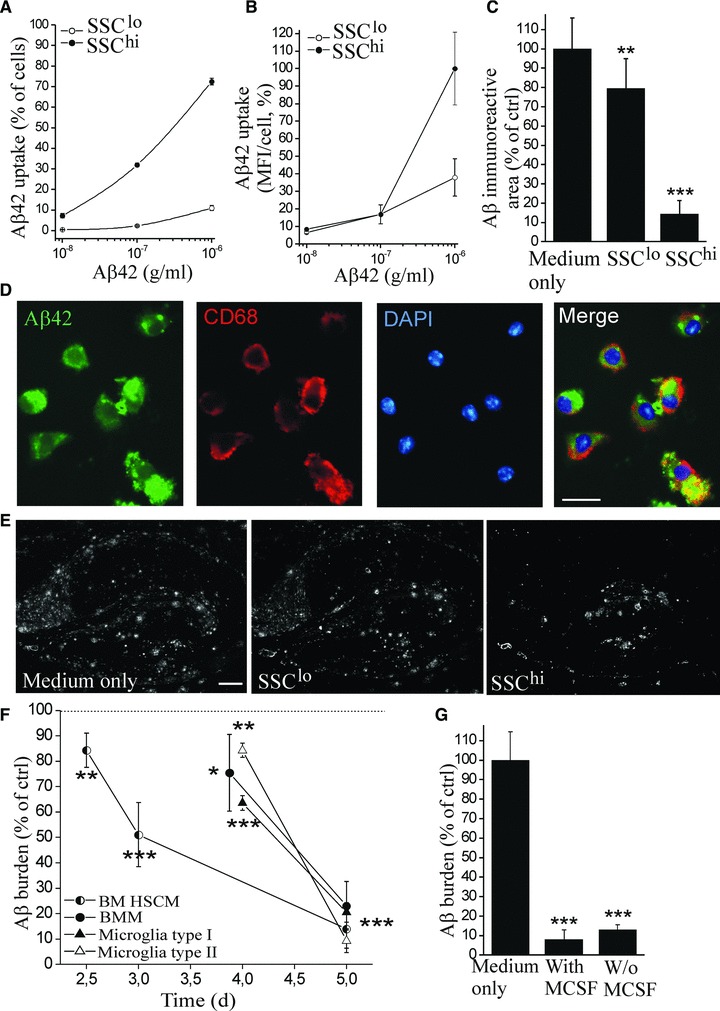
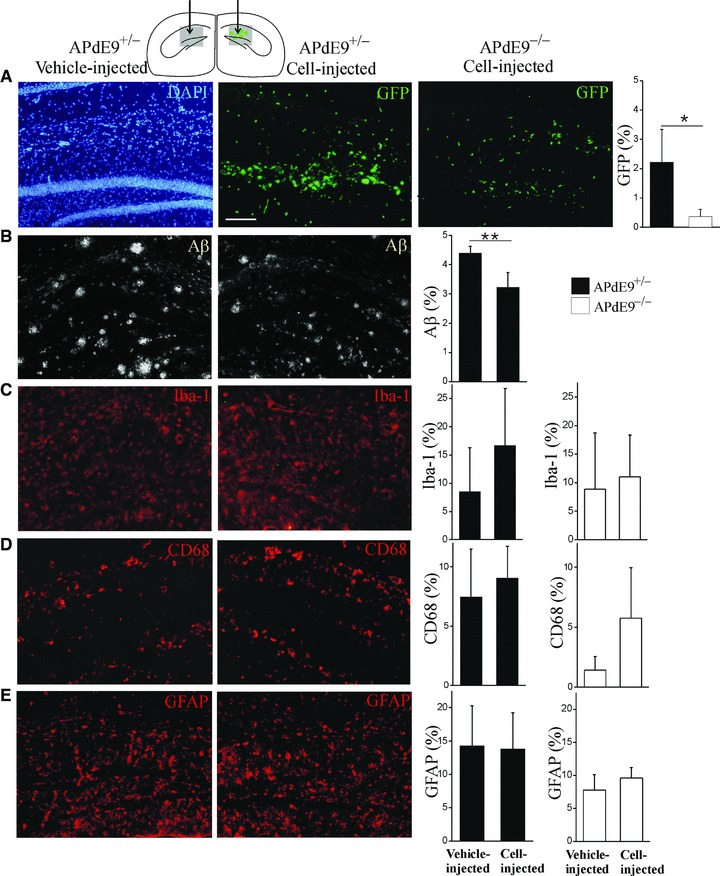
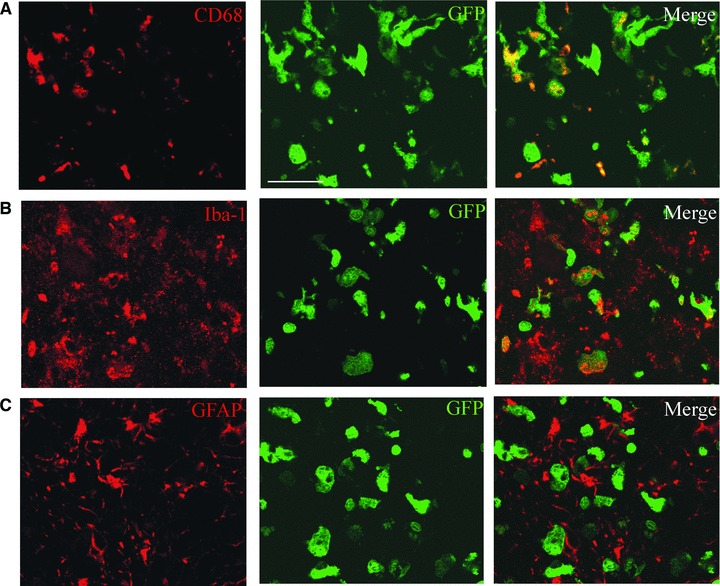
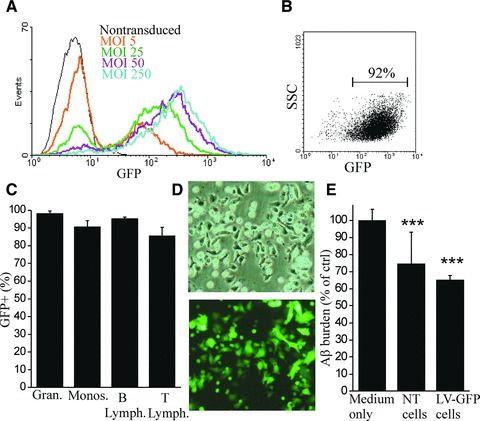
Accumulation of amyloid β (Aβ) is a major hallmark in Alzheimer's disease (AD). Bone marrow derived monocytic cells (BMM) have been shown to reduce Aβ burden in mouse models of AD, alleviating the AD pathology. BMM have been shown to be more efficient phagocytes in AD than the endogenous brain microglia. Because BMM have a natural tendency to infiltrate into the injured area, they could be regarded as optimal candidates for cell-based therapy in AD. In this study, we describe a method to obtain monocytic cells from BM-derived haematopoietic stem cells (HSC). Mouse or human HSC were isolated and differentiated in the presence of macrophage colony stimulating factor (MCSF). The cells were characterized by assessing the expression profile of monocyte markers and cytokine response to inflammatory stimulus. The phagocytic capacity was determined with Aβ uptake assay in vitro and Aβ degradation assay of natively formed Aβ deposits ex vivo and in a transgenic APdE9 mouse model of AD in vivo. HSC were lentivirally transduced with enhanced green fluorescent protein (eGFP) to determine the effect of gene modification on the potential of HSC-derived cells for therapeutic purposes. HSC-derived monocytic cells (HSCM) displayed inflammatory responses comparable to microglia and peripheral monocytes. We also show that HSCM contributed to Aβ reduction and could be genetically modified without compromising their function. These monocytic cells could be obtained from human BM or mobilized peripheral blood HSC, indicating a potential therapeutic relevance for AD.
淀粉样蛋白 β (Aβ) 的积累是阿尔茨海默病 (AD) 的主要标志之一。已经证明骨髓来源的单核细胞 (BMM) 可以减少 AD 小鼠模型中的 Aβ 负担,从而减轻 AD 病理。与内源性脑小胶质细胞相比,BMM 在 AD 中是更有效的吞噬细胞。由于 BMM 有自然倾向于渗透到受损区域,因此它们可以被视为 AD 基于细胞的治疗的最佳候选者。在这项研究中,我们描述了一种从 BM 衍生的造血干细胞 (HSC) 中获得单核细胞的方法。在巨噬细胞集落刺激因子 (MCSF) 的存在下分离和分化小鼠或人类 HSC。通过评估单核细胞标志物的表达谱和细胞因子对炎症刺激的反应来表征细胞。通过体外 Aβ 摄取测定和体内 Aβ 降解测定以及 AD 的 APdE9 转基因小鼠模型来确定吞噬能力。用增强型绿色荧光蛋白 (eGFP) 转导 HSC 以确定基因修饰对 HSC 衍生细胞治疗潜力的影响。HSC 衍生的单核细胞 (HSCM) 表现出与小胶质细胞和外周单核细胞相当的炎症反应。我们还表明,HSCM 有助于减少 Aβ,并且可以进行基因修饰而不损害其功能。这些单核细胞可以从人 BM 或动员的外周血 HSC 中获得,表明其对 AD 具有潜在的治疗意义。