Suzuki Shigeaki, Utsugisawa Kimiaki, Nagane Yuriko, Suzuki Norihiro
Department of Neurology, Keio University School of Medicine, 35 Shinanomachi, Shinjuku-ku, Tokyo 160-8582, Japan.
Autoimmune Dis. 2011;2011:740583. doi: 10.4061/2011/740583. Epub 2011 Jul 17.
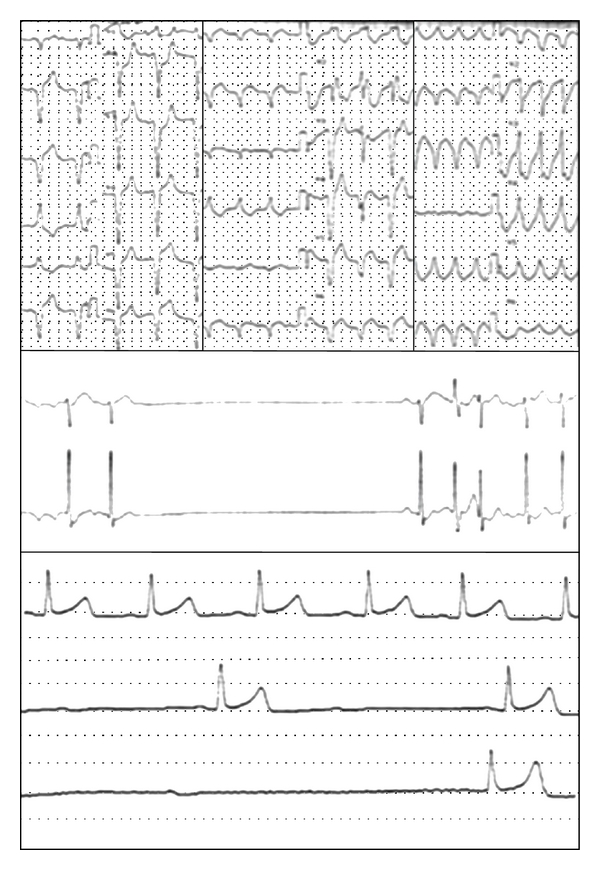
Myasthenia gravis (MG) is caused by antibodies that react mainly with the acetylcholine receptor on the postsynaptic site of the neuromuscular junction. A wide range of clinical presentations and associated features allow MG to be classified into subtypes based on autoantibody status. Striational antibodies, which react with epitopes on the muscle proteins titin, ryanodine receptor (RyR), and Kv1.4, are frequently found in MG patients with late-onset and thymoma. Antititin and anti-RyR antibodies are determined by enzyme-linked immunosorbent assay or immunoblot. More recently, a method for the detection of anti-Kv1.4 autoantibodies has become available, involving 12-15% of all MG patients. The presence of striational antibodies is associated with more severe disease in all MG subgroups. Anti-Kv1.4 antibody is a useful marker for the potential development of lethal autoimmune myocarditis and response to calcineurin inhibitors. Detection of striational antibodies provides more specific and useful clinical information in MG patients.
重症肌无力(MG)由主要与神经肌肉接头突触后位点的乙酰胆碱受体发生反应的抗体引起。广泛的临床表现及相关特征使MG能够根据自身抗体状态分为不同亚型。与肌肉蛋白肌联蛋白、兰尼碱受体(RyR)和Kv1.4上的表位发生反应的横纹肌抗体,常见于晚发型和胸腺瘤型MG患者中。抗肌联蛋白和抗RyR抗体通过酶联免疫吸附测定或免疫印迹法检测。最近,一种检测抗Kv1.4自身抗体的方法已经可用,所有MG患者中有12% - 15%涉及该抗体。横纹肌抗体的存在与所有MG亚组中更严重的疾病相关。抗Kv1.4抗体是致死性自身免疫性心肌炎潜在发展及对钙调神经磷酸酶抑制剂反应的有用标志物。横纹肌抗体的检测为MG患者提供了更具特异性和有用的临床信息。