Center for Neuron and Disease, Frontier Institute of Science and Technology, Xi'an Jiaotong University, Xi'an, China.
Mol Brain. 2011 Jul 30;4:31. doi: 10.1186/1756-6606-4-31.
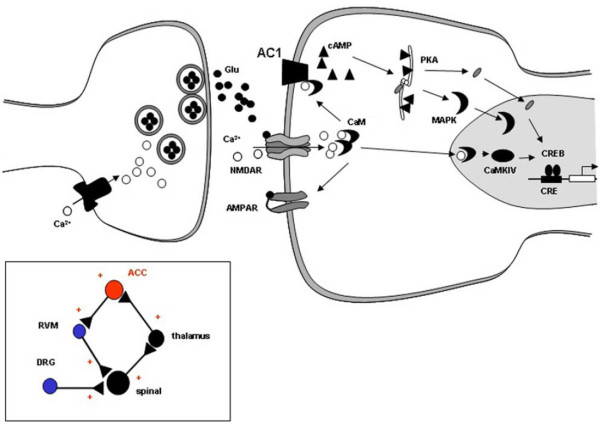
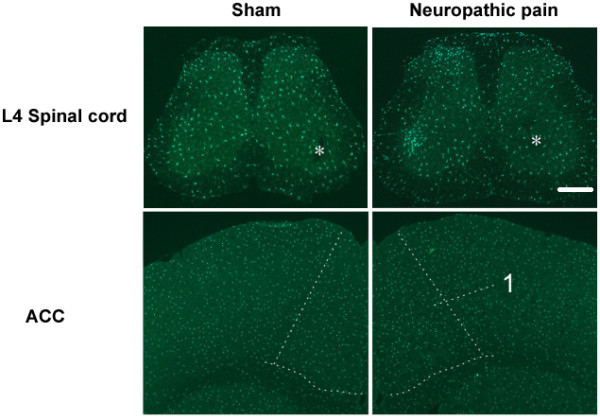
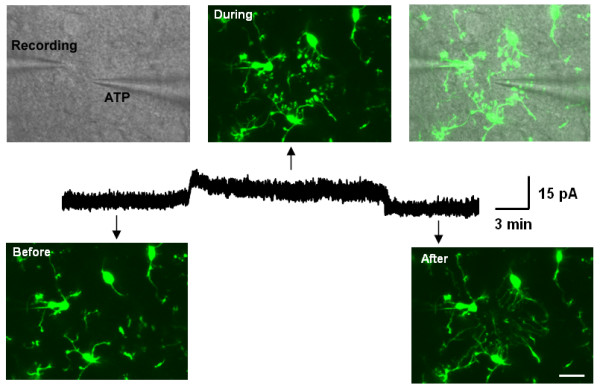
Neuropathic pain is generally defined as a chronic pain state resulting from peripheral and/or central nerve injury. Effective treatment for neuropathic pain is still lacking, due in part to poor understanding of pathological mechanisms at the molecular level. Neuronal mechanisms of neuropathic pain, especially synaptic plasticity, are the major focus of many investigators. N-methyl-D-aspartate (NMDA) receptor dependent synaptic plasticity at the spinal and cortical levels is believed to contribute to enhanced sensory responses after injury. Glial cells, including astrocytes and microglia, have recently been implicated in neuropathic pain. These glial cells form close interactions with neurons and thus may modulate nociceptive transmission under pathological conditions. In this review, we present recent progress in the study of neuronal and microglial mechanisms underlying neuropathic pain. We propose that activity-dependent neuronal plasticity is a key target for treatment in neuropathic pain.
神经病理性疼痛通常被定义为一种慢性疼痛状态,是由外周和/或中枢神经损伤引起的。有效的神经病理性疼痛治疗方法仍然缺乏,部分原因是对分子水平病理机制的理解不足。神经病理性疼痛的神经元机制,特别是突触可塑性,是许多研究人员的主要关注点。脊髓和皮质水平的 N-甲基-D-天冬氨酸 (NMDA) 受体依赖性突触可塑性被认为有助于损伤后增强感觉反应。最近,神经胶质细胞,包括星形胶质细胞和小胶质细胞,与神经病理性疼痛有关。这些神经胶质细胞与神经元形成密切的相互作用,因此在病理条件下可能调节伤害性传递。在这篇综述中,我们介绍了神经病理性疼痛的神经元和小胶质细胞机制研究的最新进展。我们提出,活动依赖性神经元可塑性是神经病理性疼痛治疗的一个关键靶点。