Gupta Asha, Kaur Sarabjit, Attri Joginder Pal, Saini Nisha
Assoc Professor and Head, Department of Anaesthesia, Department of Anaesthesiology and Intensive Care, Government Medical College, Amritsar, India.
J Anaesthesiol Clin Pharmacol. 2011 Jan;27(1):74-8.
Laryngeal mask airway is a non invasive supraglottic device which has led to a radical change in the management of modern general anaesthesia. Propofol as a single agent is unsatisfactory and to overcome problems associated with LMA insertions. In the present study, we evaluated the haemodynamic changes and laryngeal mask airway insertion conditions comparing ketamine and opioids as adjuncts to propofol.
90 patients were randomly divided into 3 groups of 30 each. In Group PK-ketamine 0.5mg kg(-1), in Group PF-fentanyl 1ug kg(-1) and in Group PB - butorphanol 20ug kg(-1) was given intravenously immediately before induction with propofol 2.5 mg kg(-1). Jaw relaxation was assessed according to Young's criteria and the overall conditions according to modified Scheme of Lund and Stovener.
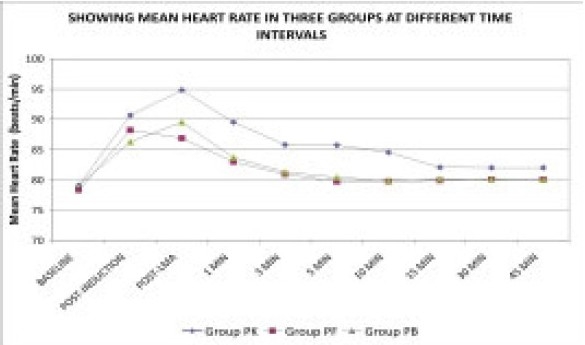
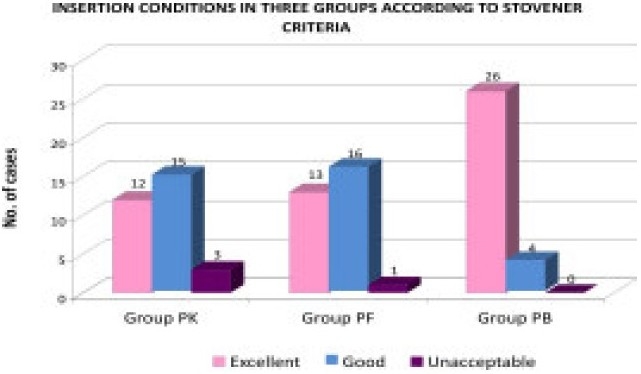
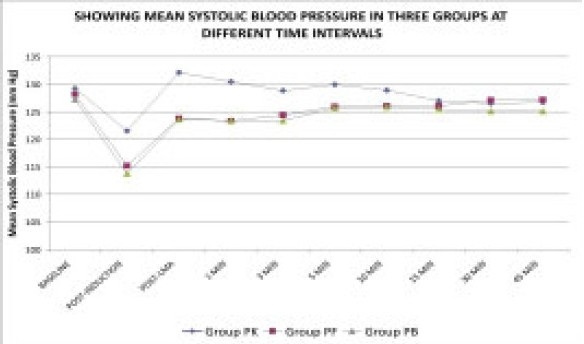
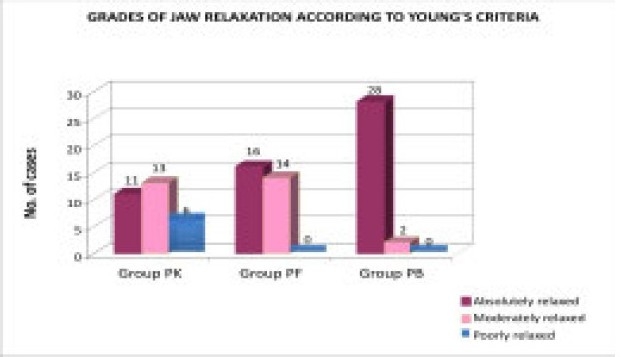
The mean total dose of propofol required in Group PK was 160.37 ± 15.75mg, in Group PF 156.22 ± 17.18 mg and in Group PB 140.08 ± 18.97 mg. The incidence of absolute jaw relaxation was highest in Group PB (93.33%) patients, intermediate in Group PF (53.33%) patients and lowest in Group PK i.e. 36.66% patients. Excellent insertion conditions were observed in 12 (40%) patients in Group PK and 13 (43.33%) patients in Group PF and in 26 (86.67%) patients in Group PB. Group PK showed more rise in systolic and diastolic blood pressure and heart rate post LMA insertion as compared to Group PF and Group PB.
It is concluded that addition of butorphanol to propofol for LMA insertion provided absolute jaw relaxation and excellent insertion conditions with stable haemodynamics Side effects like coughing, gagging, lacrimation and laryngospasm were lower as compared to the other two groups.
喉罩气道是一种非侵入性的声门上装置,它给现代全身麻醉的管理带来了根本性的改变。丙泊酚作为单一药物并不理想,为克服与喉罩插入相关的问题。在本研究中,我们比较了氯胺酮和阿片类药物作为丙泊酚辅助药物时的血流动力学变化和喉罩气道插入条件。
90例患者随机分为3组,每组30例。PK组静脉注射氯胺酮0.5mg/kg(-1),PF组静脉注射芬太尼1μg/kg(-1),PB组静脉注射布托啡诺20μg/kg(-1),均在诱导前立即静脉注射丙泊酚2.5mg/kg(-1)。根据杨氏标准评估下颌松弛情况,根据改良的伦德和斯托夫纳方案评估总体情况。
PK组所需丙泊酚的平均总剂量为160.37±15.75mg,PF组为156.22±17.18mg,PB组为140.08±18.97mg。PB组患者绝对下颌松弛的发生率最高(93.33%),PF组患者居中(53.33%),PK组患者最低,即36.66%。PK组12例(40%)患者、PF组13例(43.33%)患者和PB组26例(86.67%)患者观察到良好的插入条件。与PF组和PB组相比,PK组在插入喉罩后收缩压、舒张压和心率升高更明显。
得出结论,在丙泊酚中添加布托啡诺用于插入喉罩可提供绝对的下颌松弛和良好的插入条件,且血流动力学稳定。与其他两组相比,咳嗽、 gag反射、流泪和喉痉挛等副作用较低。