Division of Gastroenterology and Hepatology, College of Medicine, Mayo Clinic, 200 First Street, Rochester, MN 55905, USA.
Nat Rev Gastroenterol Hepatol. 2011 Aug 2;8(9):512-22. doi: 10.1038/nrgastro.2011.131.
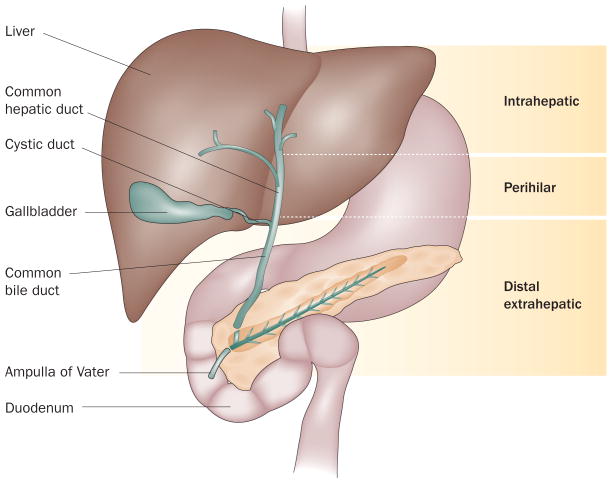
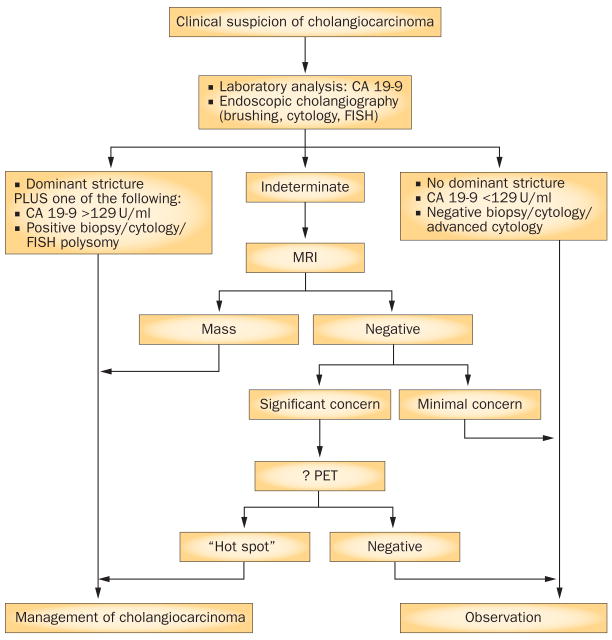
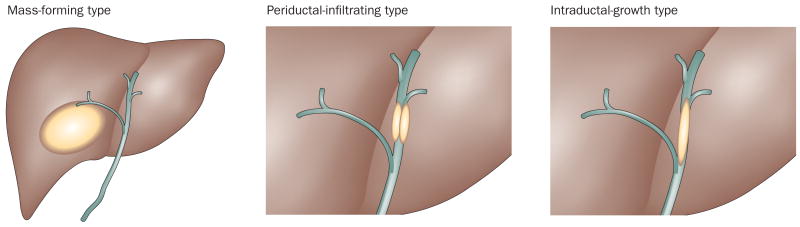
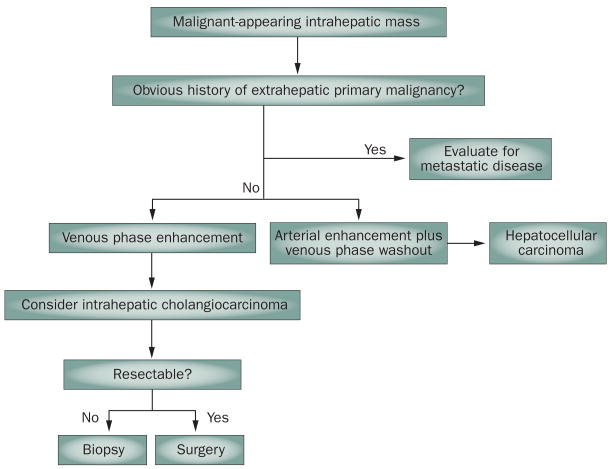
Cholangiocarcinoma is the most frequent biliary malignancy. It is difficult to diagnose owing to its anatomic location, growth patterns and lack of definite diagnostic criteria. Currently, cholangiocarcinoma is classified into the following types according to its anatomic location along the biliary tree: intrahepatic, perihilar or distal extrahepatic cholangiocarcinoma. These cholangiocarcinoma types differ in their biological behavior and management. The appropriate stratification of patients with regard to the anatomic location and stage of cholangiocarcinoma is a key determinate in their management. Staging systems can guide this stratification and provide prognostic information. In addition, staging systems are essential in order to compare and contrast the outcomes of different therapeutic approaches. A number of staging systems exist for cholangiocarcinoma-several early ones have been updated, and new ones are being developed. We discuss the emerging diagnostic criteria as well as the different staging systems for cholangiocarcinoma, and provide a critical appraisal regarding these advances in biliary tract malignancies.
胆管癌是最常见的胆道恶性肿瘤。由于其解剖位置、生长方式和缺乏明确的诊断标准,诊断困难。目前,根据胆管树的解剖位置,胆管癌可分为以下类型:肝内、肝门周围或肝外远端胆管癌。这些胆管癌类型在生物学行为和治疗上有所不同。对胆管癌患者进行解剖位置和分期的适当分层是其治疗的关键决定因素。分期系统可以指导这种分层,并提供预后信息。此外,分期系统对于比较和对比不同治疗方法的结果也是必不可少的。存在多种胆管癌分期系统——其中一些早期系统已经更新,并且正在开发新的系统。我们讨论了新出现的诊断标准以及胆管癌的不同分期系统,并对胆道恶性肿瘤的这些进展进行了批判性评估。