Department of Radiation Oncology, Christian Medical College, Vellore - 632004, Tamil Nadu, India.
Indian J Pharmacol. 2011 Jul;43(4):409-13. doi: 10.4103/0253-7613.83111.
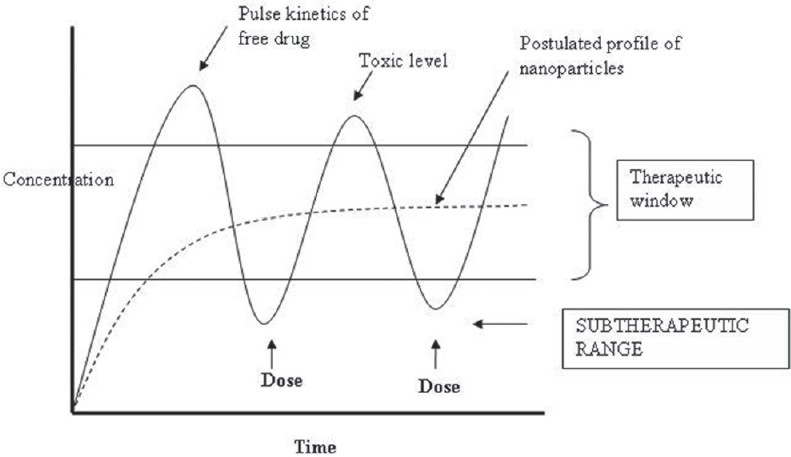
Nanotechnology is an empowering technology that holds promise in cancer therapeutics by increasing the ratio of tumor control probability to normal tissue complication probability. It can increase the bioavailability of the drug at the target site, reduce the frequency of administration and reach otherwise lesser-accessible sites. The present study shows the feasibility of the cisplatin-loaded albumin nanoparticle as a sustained delivery system.
Cisplatin is one of the most widely used chemotherapeutic agents for the treatment of malignant disorders. Conventional cisplatin formulation given as intravenous infusion has low bioavailability to the target organ in addition to significant side-effects, like ototoxicity and nephrotoxicity. The aim of this study was to develop a protein-based nanoparticulate system for sustained release of cisplatin.
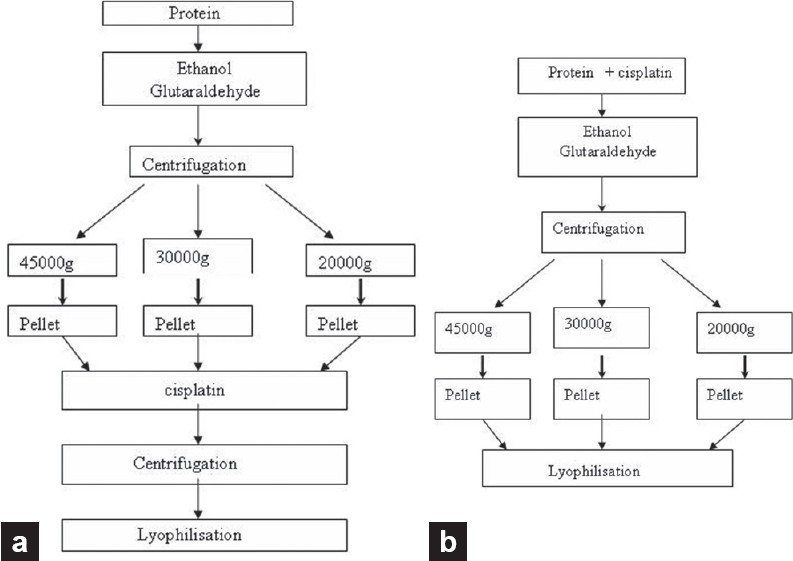
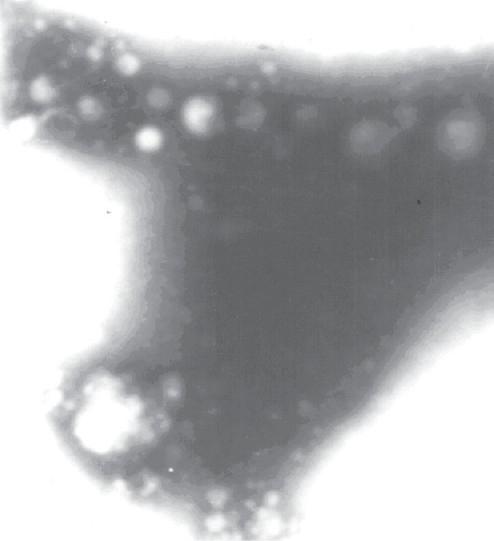
Nanoparticles were prepared by the coacervaton method of microcapsulation and chemical cross-linking with glutaraldehyde. Particle size was characterized by dynamic light scattering and transmission electron microscopy.
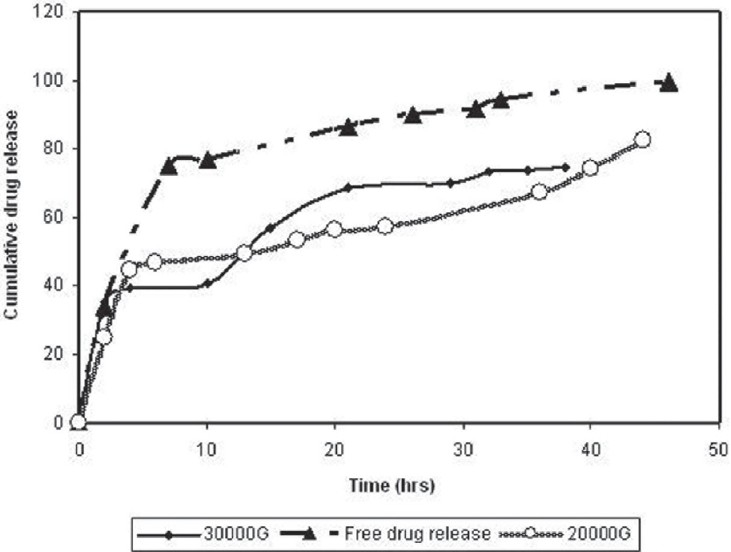
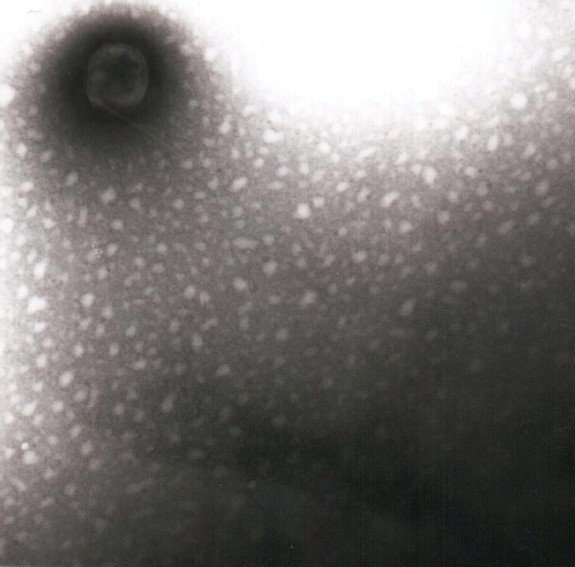
Using the coacervation method, nanoparticles of less than 70 nm diameter were produced. Drug encapsulation measured by ultraviolet spectroscopy varied from 30% to 80% for different ratios of cisplatin and protein. In vitro release kinetics shows that the nanoparticle-based formulation has biphasic release kinetics and is capable of sustained release compared with the free drug (80% release in 45 h). The study proves the feasibility of the albumin-based cisplatin nanoparticle formulation as a sustained release vehicle of cisplatin.
纳米技术是一项具有强大功能的技术,有望通过提高肿瘤控制概率与正常组织并发症概率之比来应用于癌症治疗。它可以提高药物在靶部位的生物利用度,减少给药频率,并能够到达其他难以到达的部位。本研究表明了负载顺铂的白蛋白纳米颗粒作为一种缓释系统的可行性。
顺铂是治疗恶性疾病最广泛使用的化疗药物之一。传统的顺铂静脉输注制剂除了有明显的副作用,如耳毒性和肾毒性外,对靶器官的生物利用度也很低。本研究的目的是开发一种基于蛋白质的纳米颗粒系统用于顺铂的缓释。
通过微囊化的凝聚法和用戊二醛进行化学交联来制备纳米颗粒。通过动态光散射和透射电子显微镜对颗粒大小进行表征。
使用凝聚法制备出了直径小于70 nm的纳米颗粒。通过紫外光谱法测得的不同顺铂与蛋白质比例下的药物包封率在30%至80%之间。体外释放动力学表明,与游离药物相比(45小时内释放80%),基于纳米颗粒的制剂具有双相释放动力学且能够实现缓释。该研究证明了基于白蛋白的顺铂纳米颗粒制剂作为顺铂缓释载体的可行性。