Molecular Oncology Laboratory MOL, Facultade de Medicina, Departamento de Fisioloxia, Universidade de Santiago de Compostela, Galicia, Spain.
PLoS One. 2011;6(8):e23327. doi: 10.1371/journal.pone.0023327. Epub 2011 Aug 17.
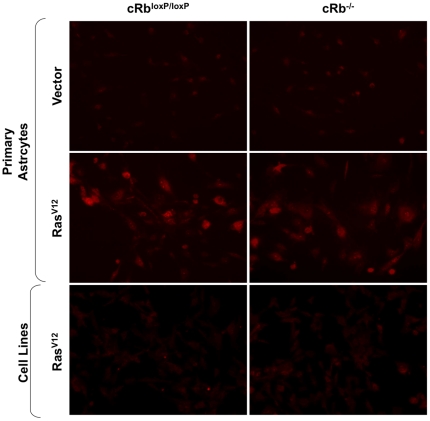
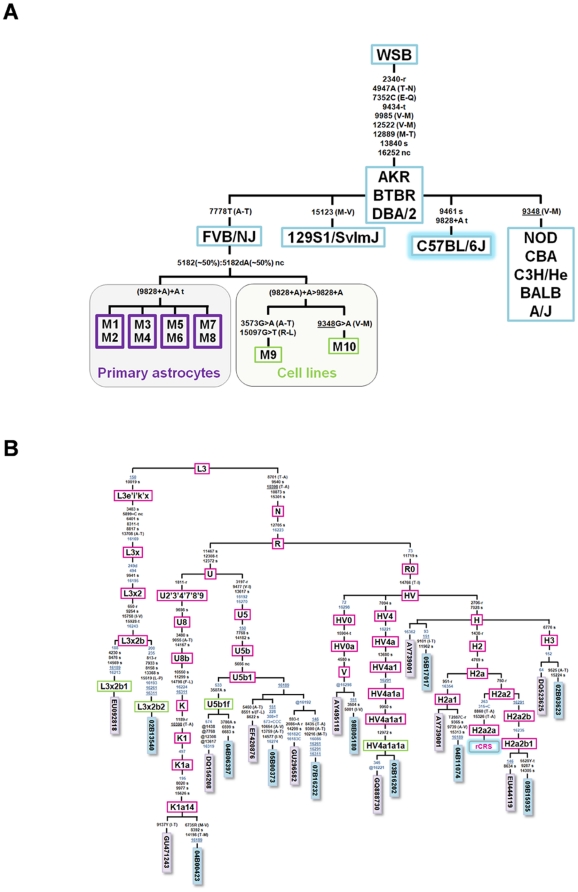
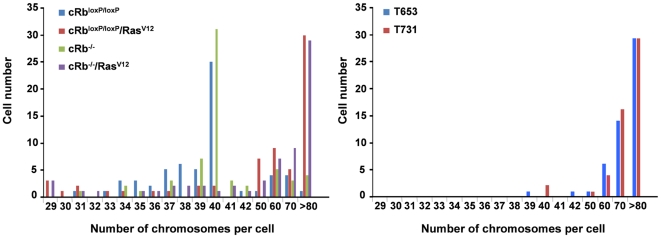
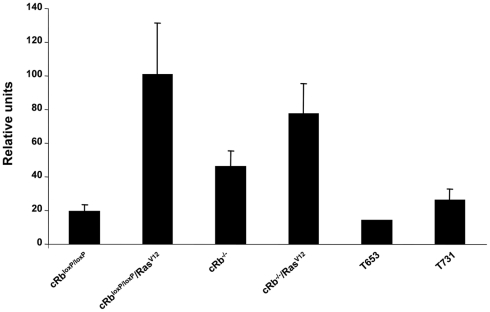
Since Otto Warburg linked mitochondrial physiology and oncogenesis in the 1930s, a number of studies have focused on the analysis of the genetic basis for the presence of aerobic glycolysis in cancer cells. However, little or no evidence exists today to indicate that mtDNA mutations are directly responsible for the initiation of tumor onset. Based on a model of gliomagenesis in the mouse, we aimed to explore whether or not mtDNA mutations are associated with the initiation of tumor formation, maintenance and aggressiveness. We reproduced the different molecular events that lead from tumor initiation to progression in the mouse glioma. In human gliomas, most of the genetic alterations that have been previously identified result in the aberrant activation of different signaling pathways and deregulation of the cell cycle. Our data indicates that mitochondrial dysfunction is associated with reactive oxygen species (ROS) generation, leading to increased nuclear DNA (nDNA) mutagenesis, but maintaining the integrity of the mitochondrial genome. In addition, mutational stability has been observed in entire mtDNA of human gliomas; this is in full agreement with the results obtained in the cancer mouse model. We use this model as a paradigm of oncogenic transformation due to the fact that mutations commonly found in gliomas appear to be the most common molecular alterations leading to tumor development in most types of human cancer. Our results indicate that the mtDNA genome is kept by the cell as a "genetic sanctuary" during tumor development in the mouse and humans. This is compatible with the hypothesis that the mtDNA molecule plays an essential role in the control of the cellular adaptive survival response to tumor-induced oxidative stress. The integrity of mtDNA seems to be a necessary element for responding to the increased ROS production associated with the oncogenic process.
自 20 世纪 30 年代奥托·瓦尔堡(Otto Warburg)将线粒体生理学与肿瘤发生联系起来以来,许多研究都集中在分析癌症细胞中有氧糖酵解存在的遗传基础上。然而,目前几乎没有证据表明 mtDNA 突变直接导致肿瘤起始。基于小鼠脑胶质瘤发生的模型,我们旨在探索 mtDNA 突变是否与肿瘤形成、维持和侵袭的起始有关。我们重现了导致小鼠脑胶质瘤从起始到进展的不同分子事件。在人类脑胶质瘤中,以前确定的大多数遗传改变导致不同信号通路的异常激活和细胞周期失调。我们的数据表明,线粒体功能障碍与活性氧(ROS)的产生有关,导致核 DNA(nDNA)突变增加,但保持线粒体基因组的完整性。此外,还观察到人类脑胶质瘤整个 mtDNA 的突变稳定性;这与在癌症小鼠模型中获得的结果完全一致。我们使用这种模型作为致癌转化的范例,因为在大多数类型的人类癌症中,常见于脑胶质瘤的突变似乎是导致肿瘤发展的最常见的分子改变。我们的结果表明,在小鼠和人类的肿瘤发生过程中,mtDNA 基因组作为“遗传避难所”被细胞保留。这与 mtDNA 分子在控制细胞适应性存活反应以应对肿瘤诱导的氧化应激方面发挥重要作用的假设是一致的。mtDNA 的完整性似乎是应对与致癌过程相关的增加的 ROS 产生的必要因素。