Department of Structural Biology, Stanford University School of Medicine, Stanford, CA 94305, USA.
Science. 2011 Oct 7;334(6052):89-94. doi: 10.1126/science.1209202. Epub 2011 Aug 25.
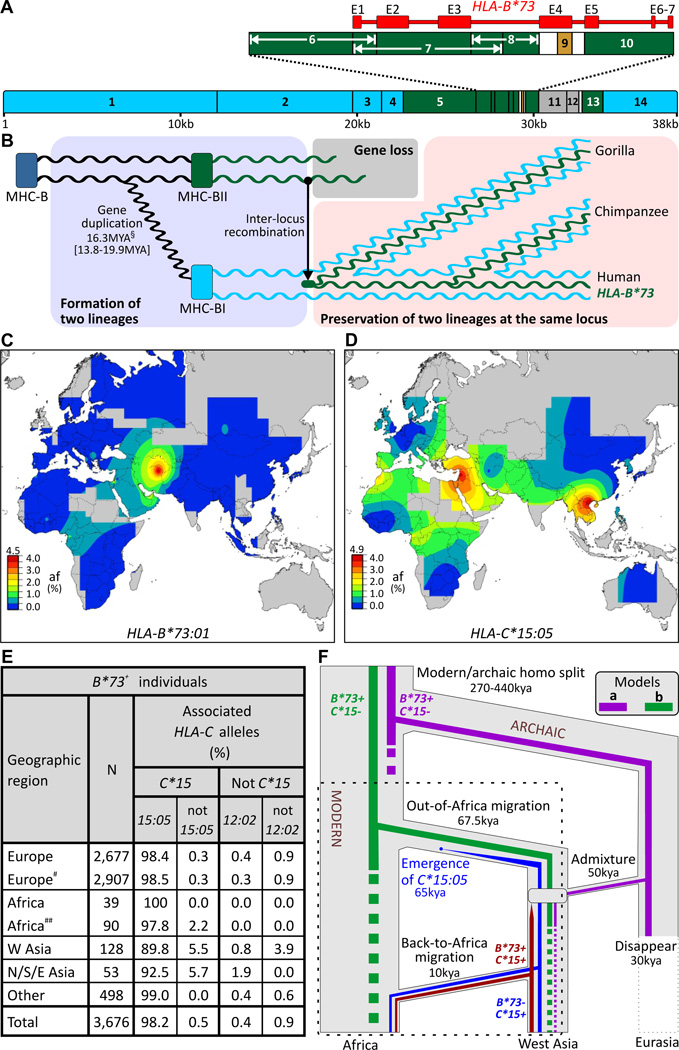
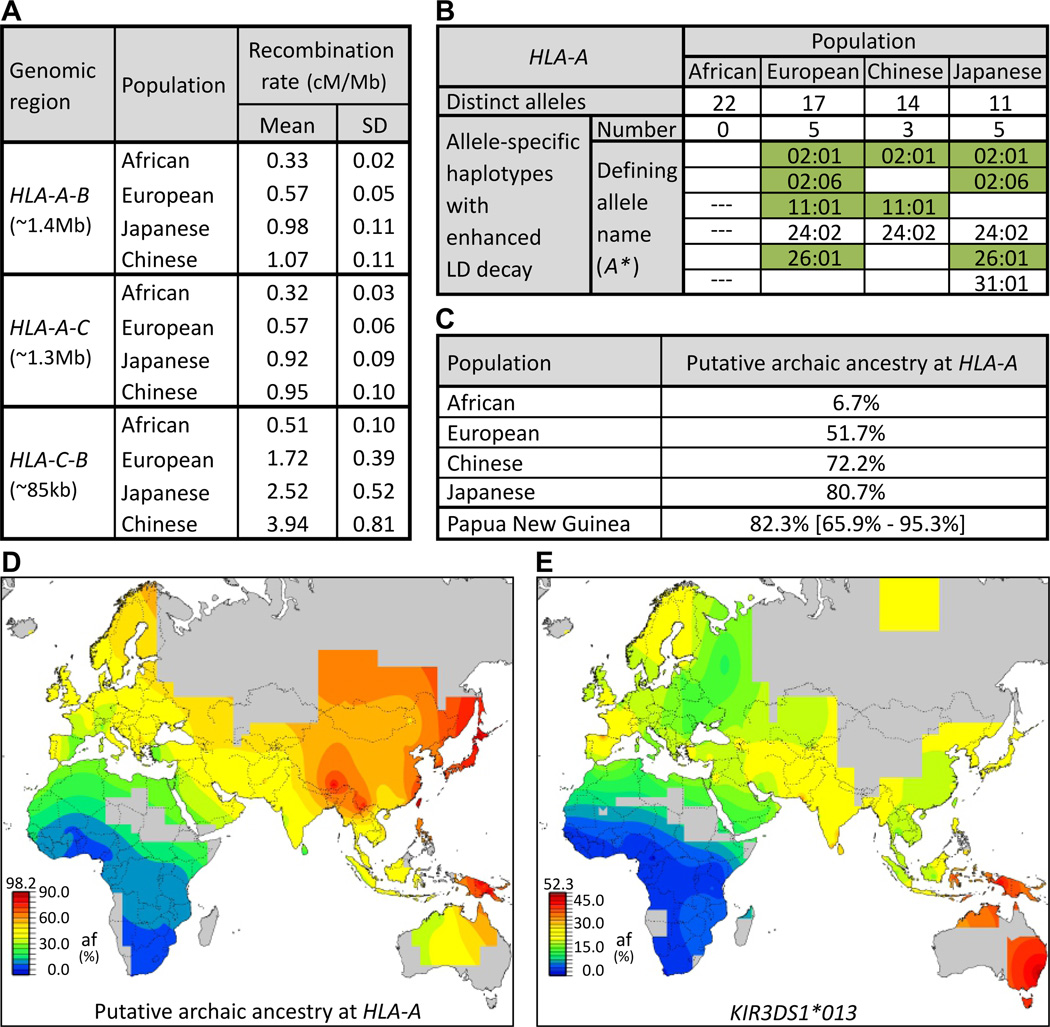
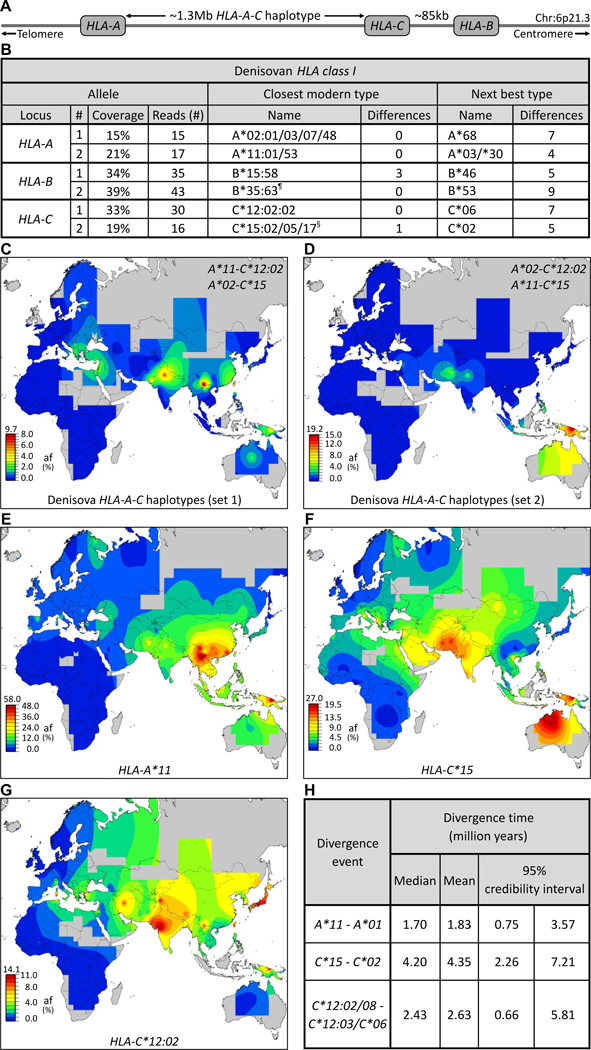
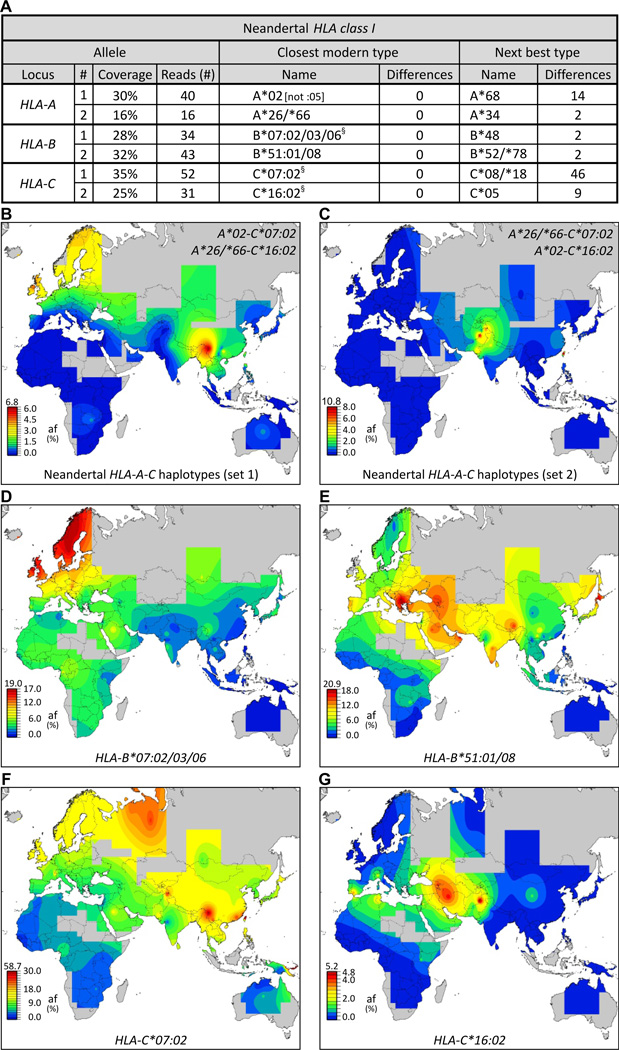
Whole genome comparisons identified introgression from archaic to modern humans. Our analysis of highly polymorphic human leukocyte antigen (HLA) class I, vital immune system components subject to strong balancing selection, shows how modern humans acquired the HLA-B*73 allele in west Asia through admixture with archaic humans called Denisovans, a likely sister group to the Neandertals. Virtual genotyping of Denisovan and Neandertal genomes identified archaic HLA haplotypes carrying functionally distinctive alleles that have introgressed into modern Eurasian and Oceanian populations. These alleles, of which several encode unique or strong ligands for natural killer cell receptors, now represent more than half the HLA alleles of modern Eurasians and also appear to have been later introduced into Africans. Thus, adaptive introgression of archaic alleles has significantly shaped modern human immune systems.
全基因组比较鉴定了来自古老人类到现代人类的基因渗入。我们对高度多态性的人类白细胞抗原(HLA)I 类进行了分析,这些免疫重要系统的组成部分受到强烈的平衡选择,这表明现代人类是如何通过与被称为丹尼索瓦人的古老人类的混合,在西亚获得 HLA-B*73 等位基因的,丹尼索瓦人可能是尼安德特人的姐妹群体。对丹尼索瓦人和尼安德特人基因组的虚拟基因分型鉴定了携带功能独特等位基因的古老 HLA 单倍型,这些等位基因已渗入现代欧亚人群中。这些等位基因中,有几个编码独特或强的自然杀伤细胞受体配体,现在占现代欧亚人的一半以上,似乎也后来被引入非洲人中。因此,古老等位基因的适应性渗入显著塑造了现代人类的免疫系统。