Institute of Medical Sciences, Aberdeen Medical School Aberdeen, UK.
Front Psychol. 2011 Aug 5;2:172. doi: 10.3389/fpsyg.2011.00172. eCollection 2011.
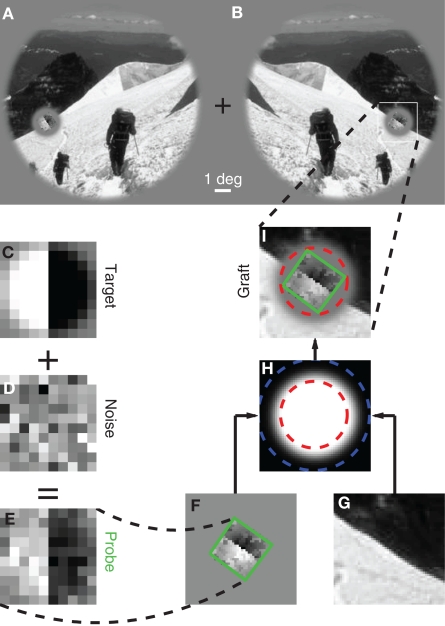
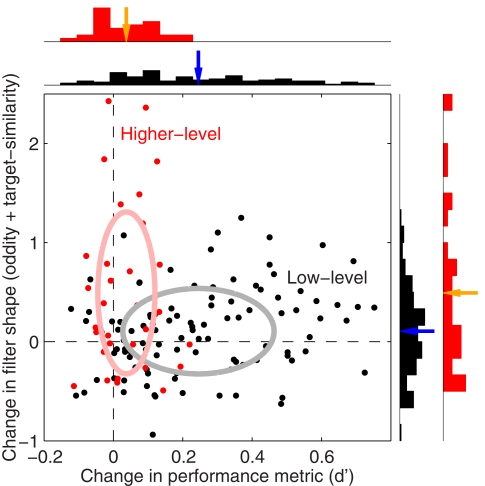
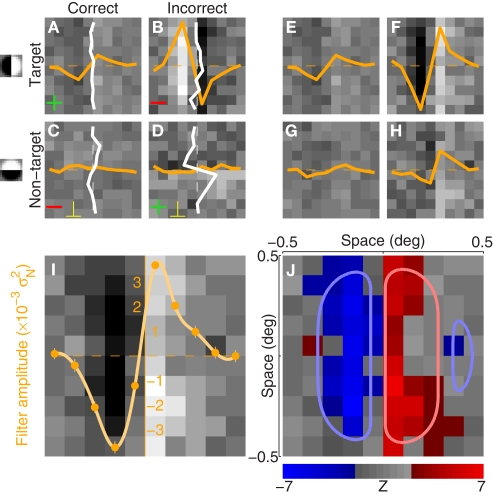
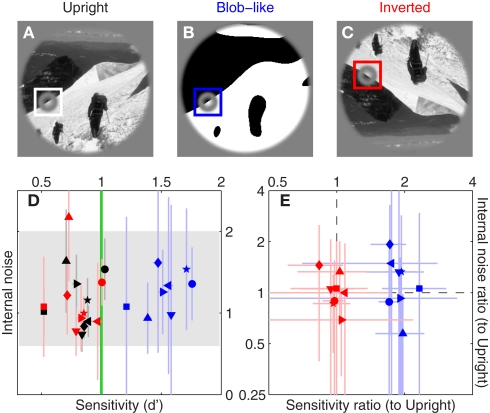
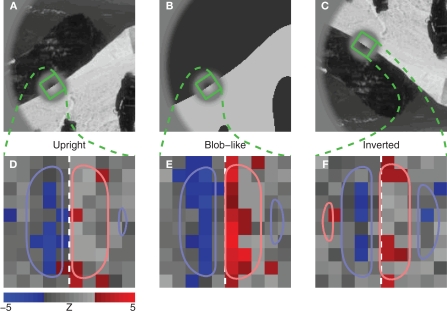
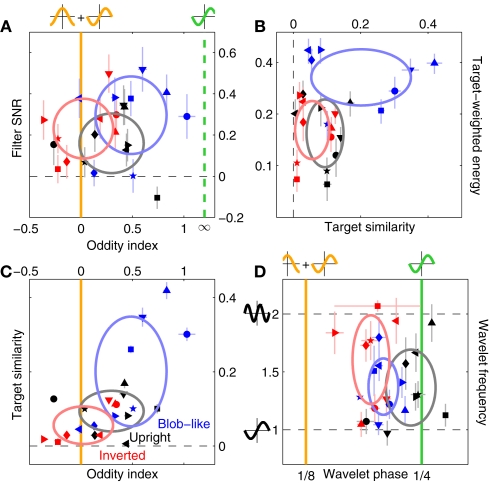
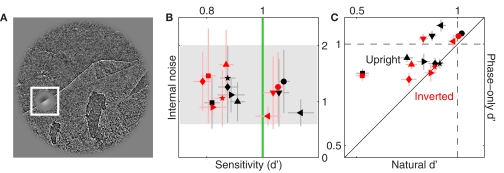
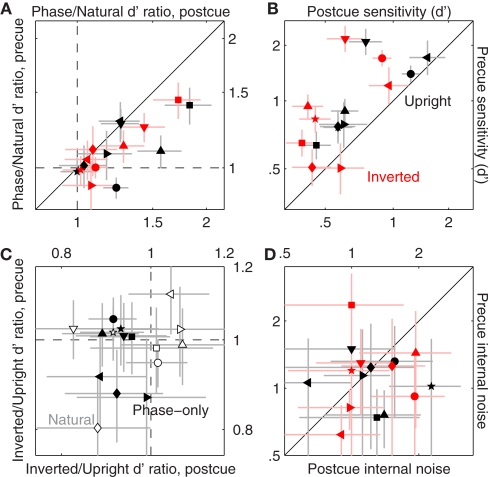
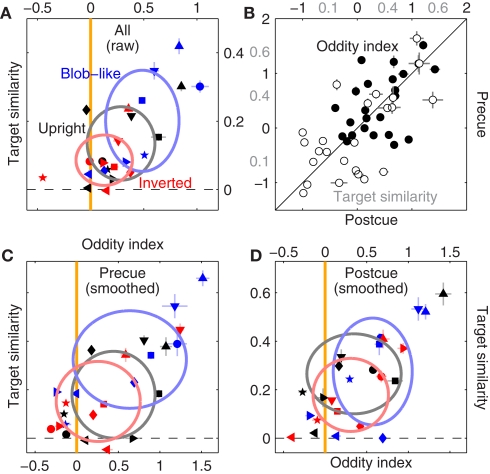
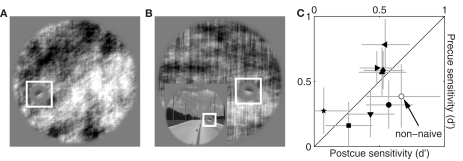
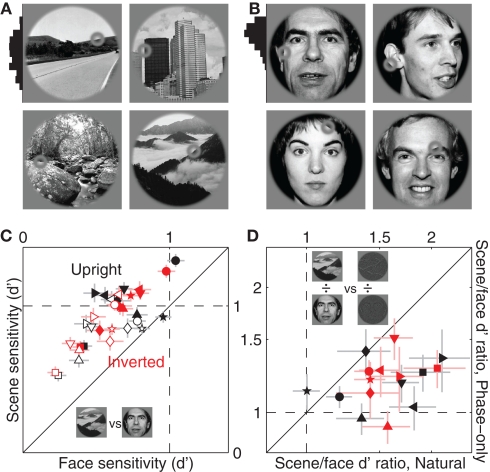
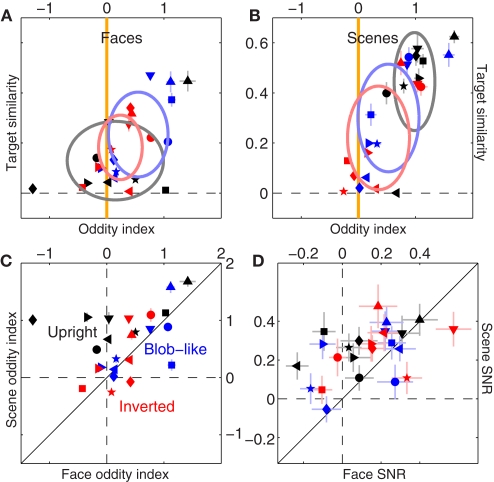
Visual cortex analyzes images by first extracting relevant details (e.g., edges) via a large array of specialized detectors. The resulting edge map is then relayed to a processing pipeline, the final goal of which is to attribute meaning to the scene. As this process unfolds, does the global interpretation of the image affect how local feature detectors operate? We characterized the local properties of human edge detectors while we manipulated the extent to which the statistical properties of the surrounding image conformed to those encountered in natural vision. Although some aspects of local processing were unaffected by contextual manipulations, we observed significant alterations in the operating characteristics of the detector which were solely attributable to a higher-level semantic interpretation of the scene, unrelated to lower-level aspects of image statistics. Our results suggest that it may be inaccurate to regard early feature detectors as operating outside the domain of higher-level vision; although there is validity in this approach, a full understanding of their properties requires the inclusion of knowledge-based effects specific to the statistical regularities found in the natural environment.
视觉皮层通过大量专门的探测器首先提取相关的细节(例如边缘)来分析图像。然后将得到的边缘图传递到一个处理流水线,其最终目标是赋予场景意义。在这个过程展开的过程中,图像的全局解释是否会影响局部特征探测器的运作方式?当我们操纵周围图像的统计特性与自然视觉中遇到的特性符合的程度时,我们描述了人类边缘探测器的局部特性。尽管局部处理的某些方面不受上下文操作的影响,但我们观察到探测器的操作特性发生了显著变化,这些变化仅归因于对场景的更高层次的语义解释,与图像统计的较低层次方面无关。我们的结果表明,将早期特征探测器视为在高层视觉之外运作可能不准确;尽管这种方法是有效的,但要全面了解它们的特性,需要包括与自然环境中发现的统计规律相关的基于知识的特定效应。