Santa Fe Institute, Santa Fe, New Mexico, United States of America.
PLoS One. 2011;6(8):e22709. doi: 10.1371/journal.pone.0022709. Epub 2011 Aug 24.
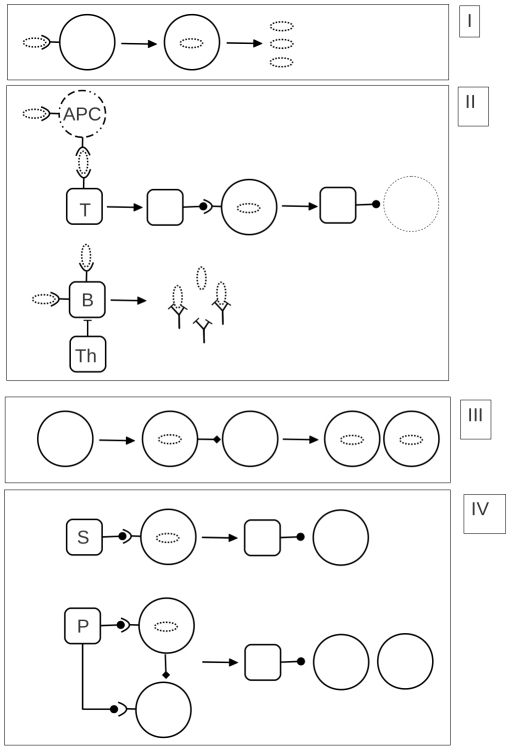
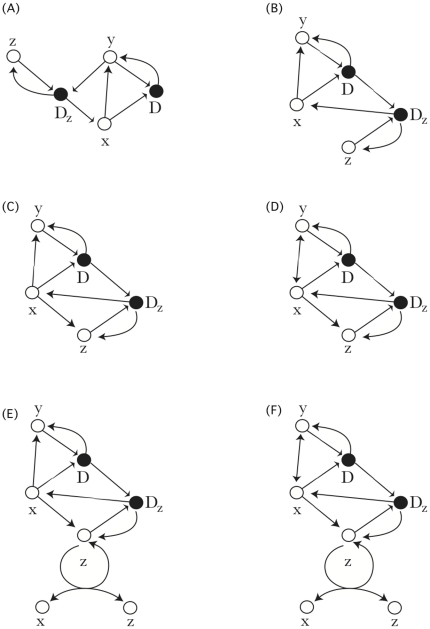
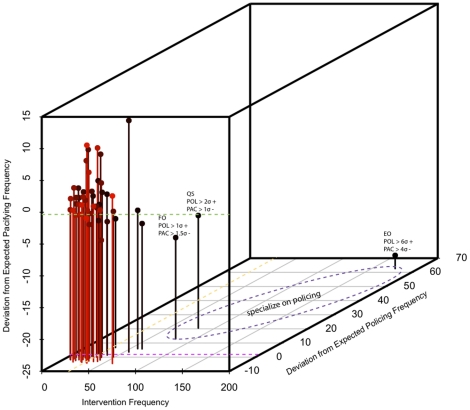
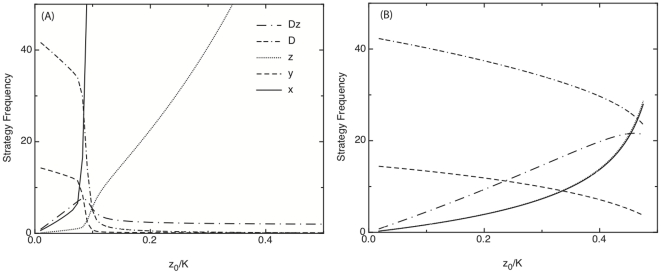
We present statistical evidence and dynamical models for the management of conflict and a division of labor (task specialization) in a primate society. Two broad intervention strategy classes are observed--a dyadic strategy--pacifying interventions, and a triadic strategy--policing interventions. These strategies, their respective degrees of specialization, and their consequences for conflict dynamics can be captured through empirically-grounded mathematical models inspired by immuno-dynamics. The spread of aggression, analogous to the proliferation of pathogens, is an epidemiological problem. We show analytically and computationally that policing is an efficient strategy as it requires only a small proportion of a population to police to reduce conflict contagion. Policing, but not pacifying, is capable of effectively eliminating conflict. These results suggest that despite implementation differences there might be universal features of conflict management mechanisms for reducing contagion-like dynamics that apply across biological and social levels. Our analyses further suggest that it can be profitable to conceive of conflict management strategies at the behavioral level as mechanisms of social immunity.
我们提出了关于灵长类动物社会中冲突管理和劳动分工(任务专业化)的统计证据和动力学模型。观察到两种广泛的干预策略类别——一种是二元策略——安抚干预,另一种是三元策略——治安干预。这些策略、它们各自的专业化程度以及它们对冲突动态的影响可以通过受免疫动力学启发的经验基础数学模型来捕捉。攻击性的传播类似于病原体的扩散,是一个流行病学问题。我们通过分析和计算表明,治安策略是一种有效的策略,因为它只需要一小部分人口来治安,就可以减少冲突的传播。治安策略,而不是安抚策略,能够有效地消除冲突。这些结果表明,尽管实施方式存在差异,但在减少类似传染的动力学方面,可能存在适用于生物和社会层面的通用冲突管理机制的特征。我们的分析还表明,将冲突管理策略设想为社会免疫机制的行为水平上的机制可能是有利可图的。