ARC Centre of Excellence for Coral Reef Studies and School of Marine and Tropical Biology, James Cook University, Townsville, Queensland, Australia.
PLoS One. 2011;6(8):e23992. doi: 10.1371/journal.pone.0023992. Epub 2011 Aug 24.
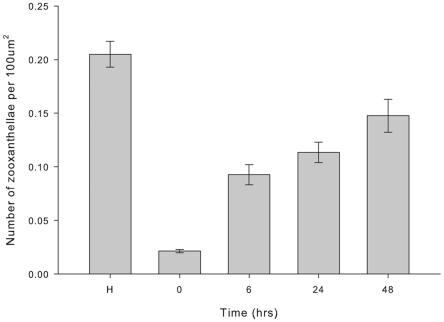
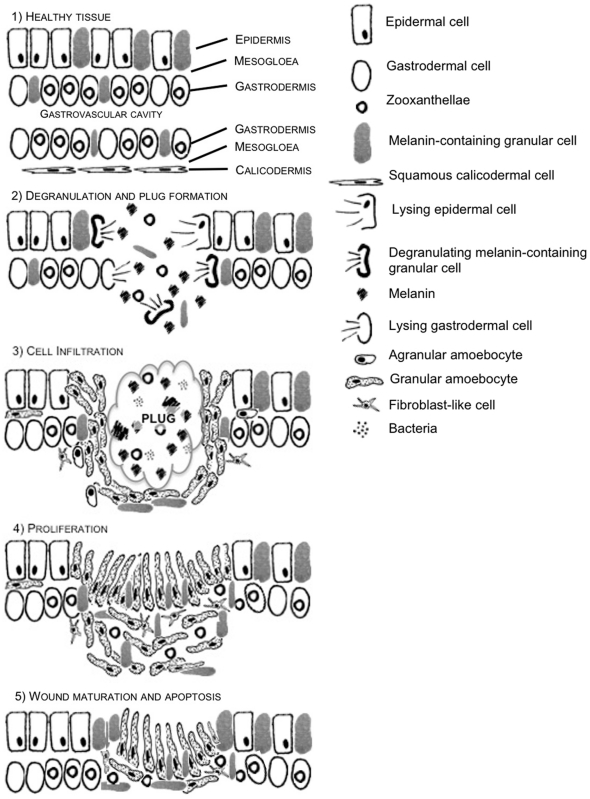
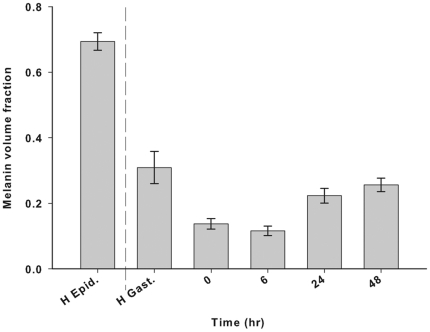
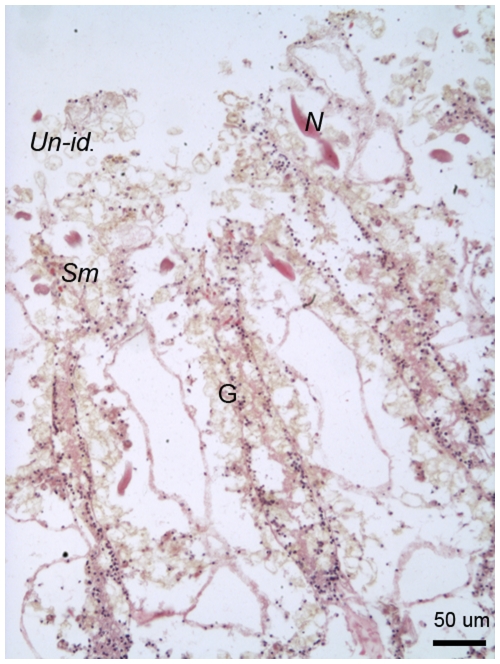
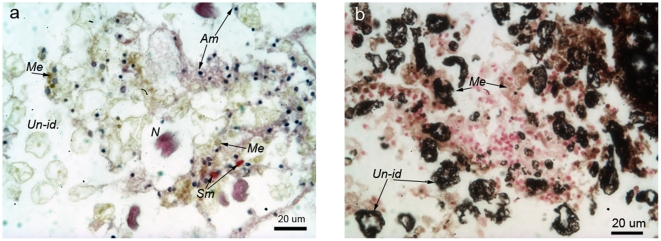
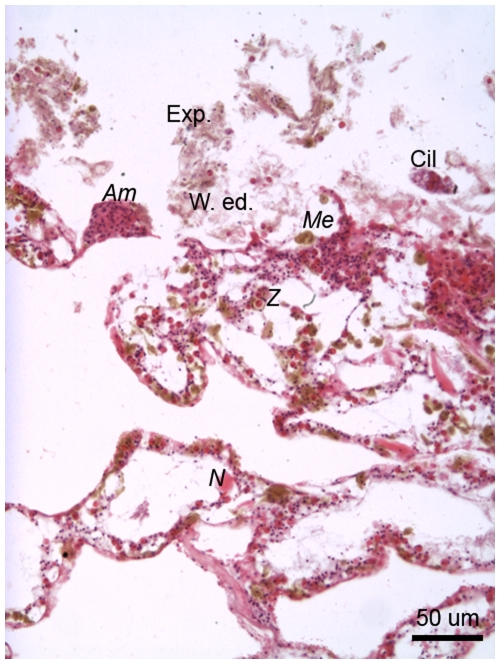
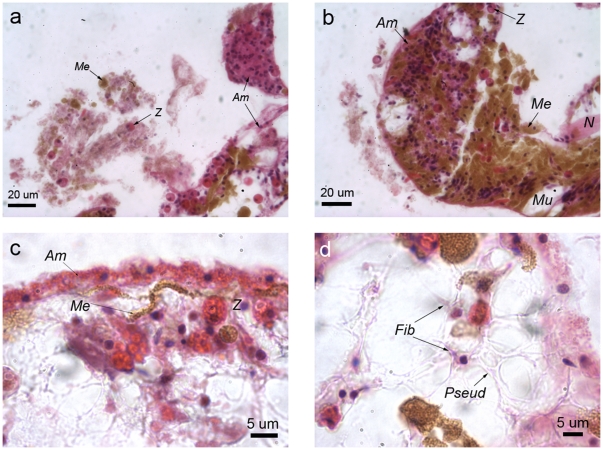
Sessile animals, like corals, frequently suffer physical injury from a variety of sources, thus wound-healing mechanisms that restore tissue integrity and prevent infection are vitally important for defence. Despite the ecological importance of reef-building corals, little is known about the cells and processes involved in wound healing in this group or in phylogenetically basal metazoans in general. A histological investigation into wound healing of the scleractinian coral Porites cylindrica at 0 h, 6 h, 24 h and 48 h after injury revealed differences in cellular components between injured and healthy tissues. Cell counts of the obligate endosymbiont, Symbiodinium, and melanin volume fraction analysis revealed rapid declines in both Symbiodinium abundance and tissue cross-sectional area occupied by melanin-containing granular cells after injury. Four phases of wound healing were identified, which are similar to phases described for both vertebrates and invertebrates. The four phases included (i) plug formation via the degranulation of melanin-containing granular cells; (ii) immune cell infiltration (inflammation); (iii) granular tissue formation (proliferation); and (iv) maturation. This study provides detailed documentation of the processes involved in scleractinian wound healing for the first time and further elucidates the roles of previously-described immune cells, such as fibroblasts. These results demonstrate the conservation of wound healing processes from anthozoans to humans.
固着动物,如珊瑚,经常因各种来源而遭受身体损伤,因此,恢复组织完整性和防止感染的伤口愈合机制对防御至关重要。尽管造礁珊瑚具有重要的生态意义,但对于该群体或一般的基础后生动物中涉及伤口愈合的细胞和过程知之甚少。对受损伤的石珊瑚 Porites cylindrica 在损伤后 0 h、6 h、24 h 和 48 h 时的伤口愈合进行组织学研究,揭示了受伤组织和健康组织之间细胞成分的差异。专性内共生体 Symbiodinium 的细胞计数和黑色素体积分数分析表明,Symbiodinium 的丰度和含黑色素的颗粒细胞组织横截面积在损伤后迅速下降。鉴定出四个伤口愈合阶段,与脊椎动物和无脊椎动物描述的阶段相似。这四个阶段包括(i)通过含黑色素的颗粒细胞脱颗粒形成塞子;(ii)免疫细胞浸润(炎症);(iii)颗粒组织形成(增殖);和(iv)成熟。本研究首次详细记录了石珊瑚伤口愈合所涉及的过程,并进一步阐明了先前描述的免疫细胞(如成纤维细胞)的作用。这些结果表明,从珊瑚到人类,伤口愈合过程是保守的。