The Liver Research Center, Department of Medicine, Rhode Island Hospital and Brown Medical School, Providence, RI 02903, USA.
Hepatology. 2012 Jan;55(1):86-97. doi: 10.1002/hep.24629.
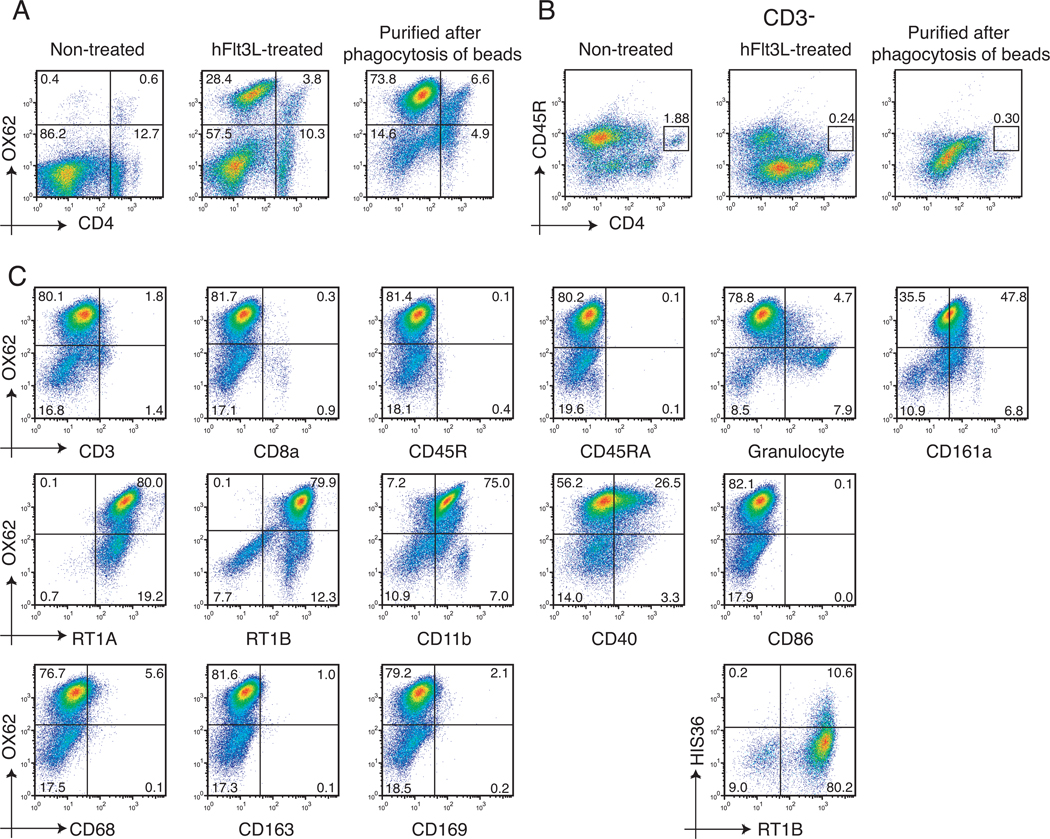
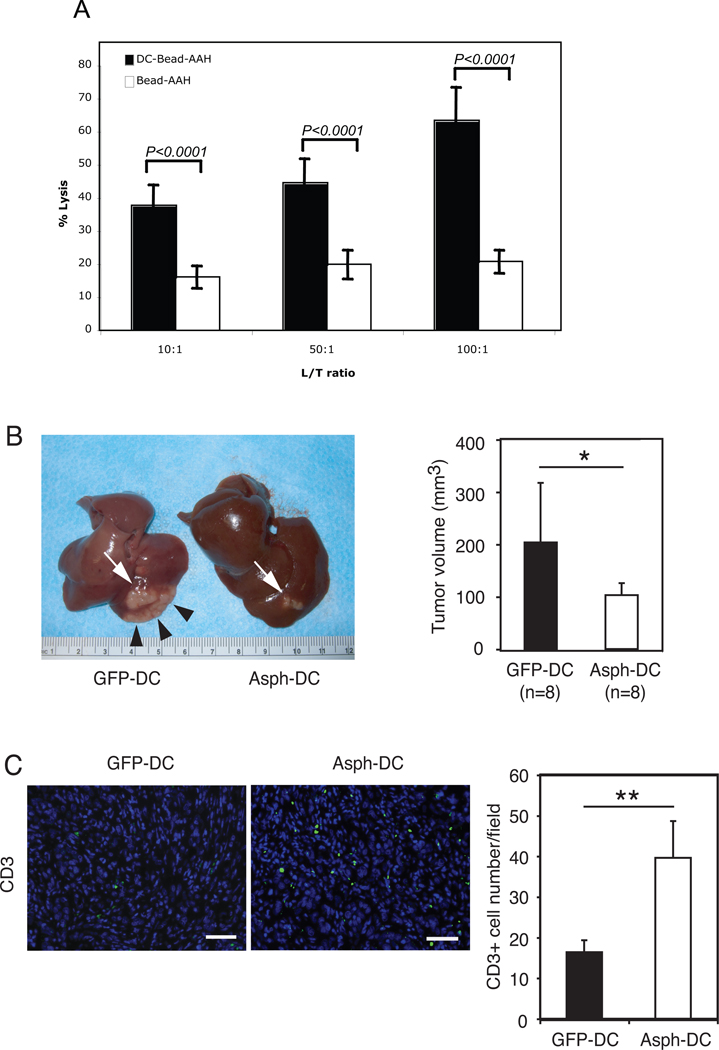
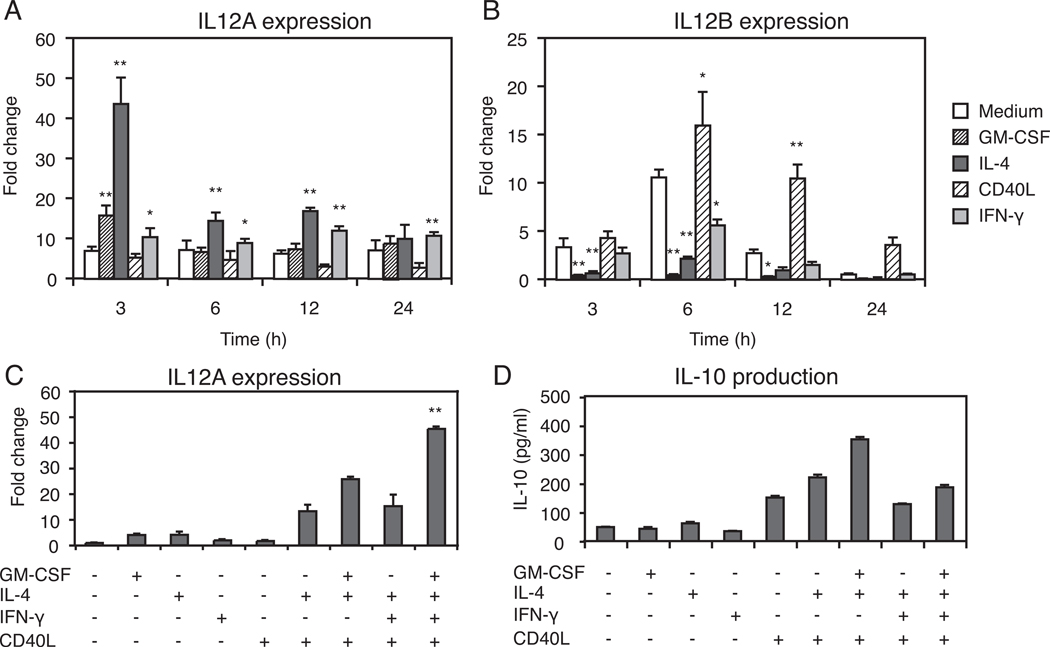
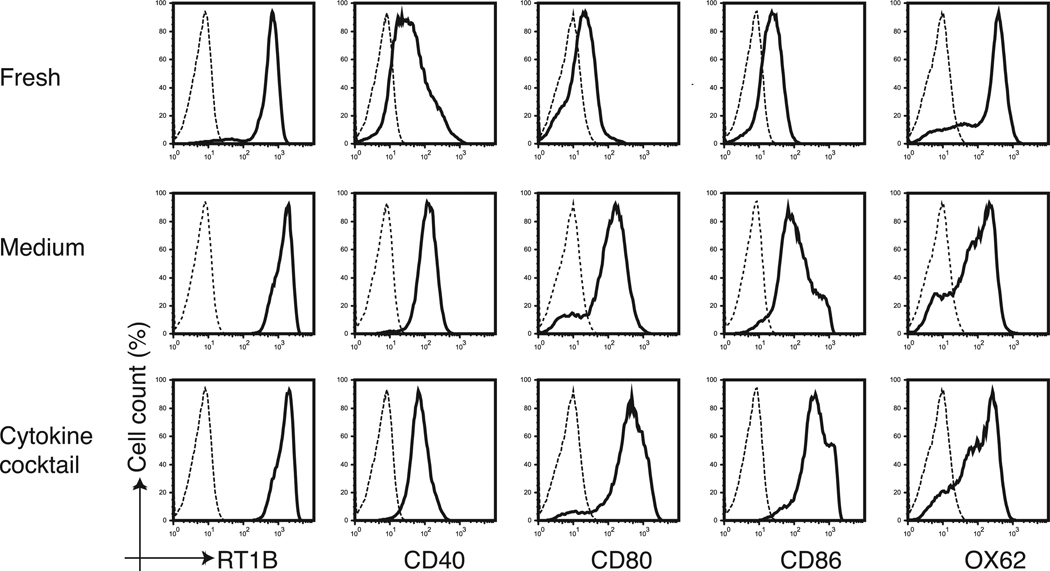
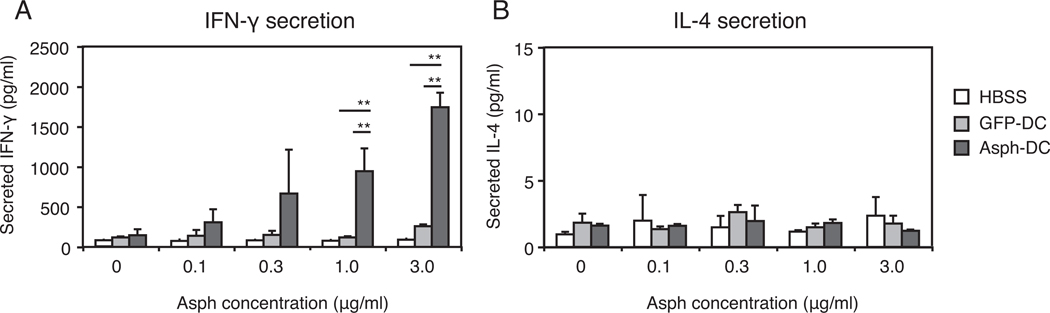
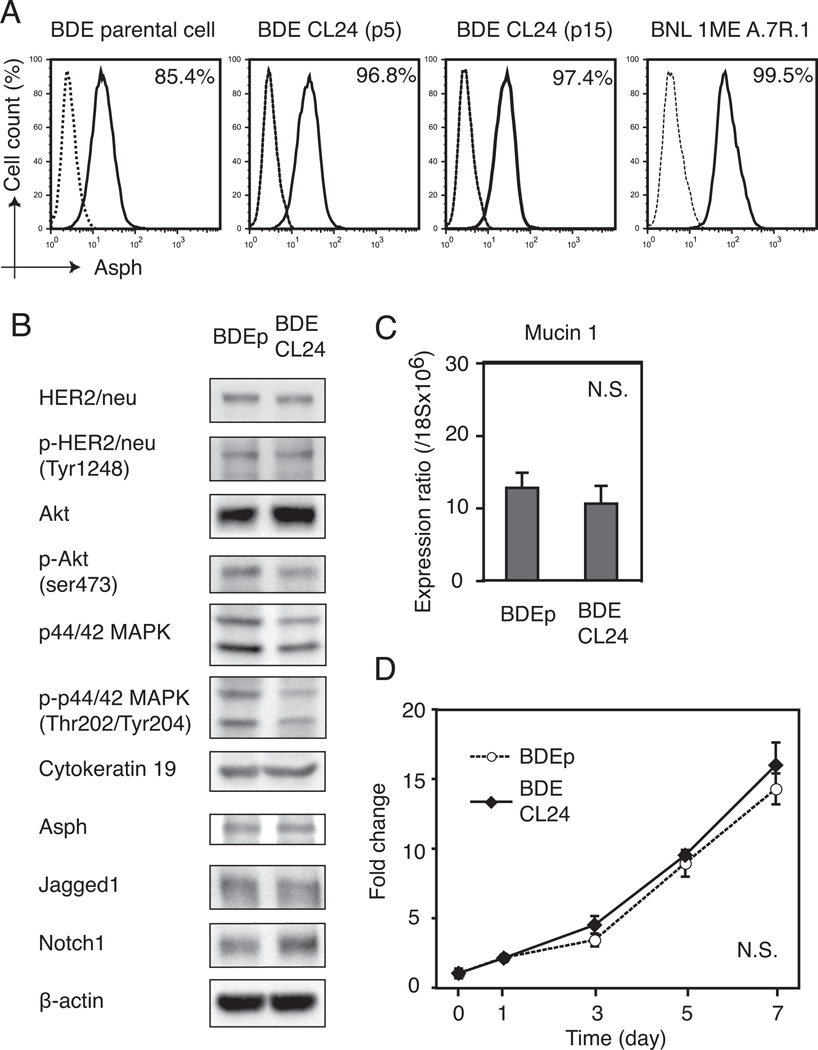
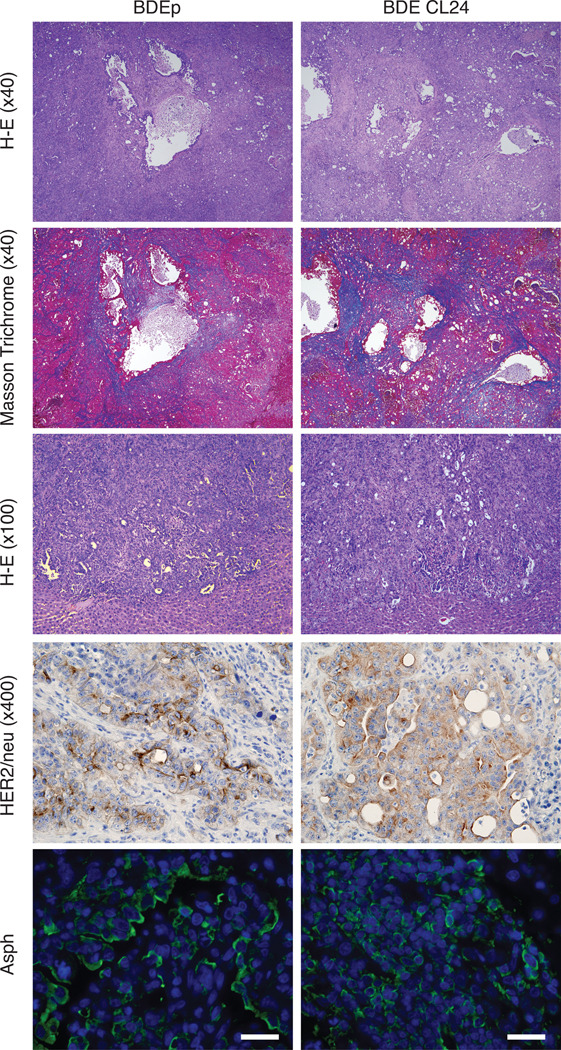
Dendritic cells (DCs) capture and process proteins and present peptides on the cell surface in the context of major histocompatibility complex I and II molecules to induce antigen-specific T cell immune responses. The aims of this study were to (1) employ an expanded and purified DC population and load them with aspartate-β-hydroxylase (ASPH), a highly expressed tumor-associated cell surface protein, and (2) to determine if immunization induced antitumor effects in an orthotopic rat model of intrahepatic cholangiocarcinoma. Splenocytes were incubated with ASPH-coated beads and passed through a magnetic field to yield an 80% pure DC OX62+ population. This DC subset was stimulated with granulocyte-macrophage colony-stimulating factor, interleukin-4, CD40L, and interferon-γ, resulting in a 40-fold increase in interleukin-12A messenger RNA expression to subsequently generate a T helper 1-type immune response. After incubation with the cytokine cocktail, DCs were found to have matured, as demonstrated by increased expression of CD40, CD80, and CD86 costimulatory molecules. Immunization with ASPH-loaded DCs induced antigen-specific immunity. A clone of the parental tumorigenic rat BDEneu cholangiocyte cell line, designated BDEneu-CL24, was found to have the highest number of cells expressing this surface protein (97%); it maintained the same phenotypic characteristics of the parental cell line and was used to produce intrahepatic tumors in immunocompetent syngeneic Fisher-344 rats. Immunization with ASPH-loaded DCs generated cytotoxicity against cholangiocarcinoma cells in vitro and significantly suppressed intrahepatic tumor growth and metastasis, and was associated with increased CD3+ lymphocyte infiltration into the tumors.
These findings suggest that immunization with ASPH-loaded DCs may constitute a novel therapeutic approach for intrahepatic cholangiocarcinoma, because this protein also appears to be highly conserved and expressed on human hepatobiliary tumors.
树突状细胞 (DCs) 捕获和处理蛋白质,并在主要组织相容性复合物 I 和 II 分子的背景下将肽呈现在细胞表面,以诱导抗原特异性 T 细胞免疫反应。本研究的目的是:(1) 采用扩增和纯化的 DC 群体,并将其负载天门冬氨酸-β-羟化酶 (ASPH),一种高度表达的肿瘤相关细胞表面蛋白;(2) 确定在肝内胆管癌的原位大鼠模型中免疫接种是否诱导抗肿瘤作用。脾细胞与 ASPH 包被的珠粒孵育,并通过磁场进行处理,得到纯度为 80%的 DC OX62+群体。该 DC 亚群用粒细胞-巨噬细胞集落刺激因子、白细胞介素-4、CD40L 和干扰素-γ 刺激,导致白细胞介素-12A 信使 RNA 表达增加 40 倍,从而产生 Th1 型免疫反应。在用细胞因子鸡尾酒孵育后,发现 DC 已经成熟,表现为 CD40、CD80 和 CD86 共刺激分子的表达增加。用负载 ASPH 的 DC 免疫接种诱导了抗原特异性免疫。亲本致瘤大鼠 BDEneu 胆管细胞系的一个克隆,命名为 BDEneu-CL24,被发现表达这种表面蛋白的细胞数量最多(97%);它保持了亲本细胞系的相同表型特征,并用于产生免疫活性同基因 Fisher-344 大鼠的肝内肿瘤。用负载 ASPH 的 DC 免疫接种在体外产生针对胆管癌细胞的细胞毒性,并显著抑制肝内肿瘤生长和转移,并与肿瘤内 CD3+淋巴细胞浸润的增加相关。
这些发现表明,用负载 ASPH 的 DC 免疫接种可能构成肝内胆管癌的一种新的治疗方法,因为这种蛋白似乎也高度保守,并在人类肝胆肿瘤中表达。