SysDiag UMR3145-CNRS, National Centre of the Scientific Research/BIO-RAD, Montpellier, France.
PLoS One. 2011;6(9):e23418. doi: 10.1371/journal.pone.0023418. Epub 2011 Sep 6.
Circulating DNA (ctDNA) is acknowledged as a potential diagnostic tool for various cancers including colorectal cancer, especially when considering the detection of mutations. Certainly due to lack of normalization of the experimental conditions, previous reports present many discrepancies and contradictory data on the analysis of the concentration of total ctDNA and on the proportion of tumour-derived ctDNA fragments.
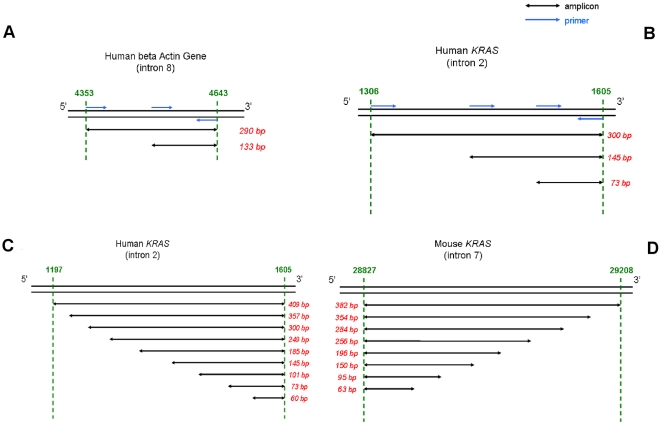
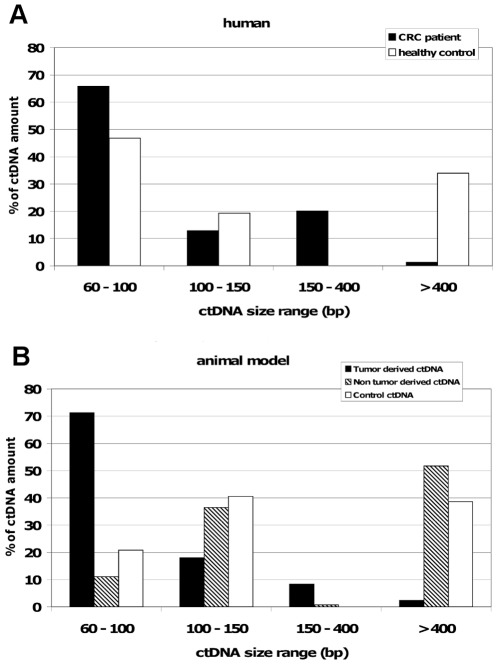
In order to rigorously analyse ctDNA, we thoroughly investigated ctDNA size distribution. We used a highly specific Q-PCR assay and athymic nude mice xenografted with SW620 or HT29 human colon cancer cells, and we correlated our results by examining plasma from metastatic CRC patients.
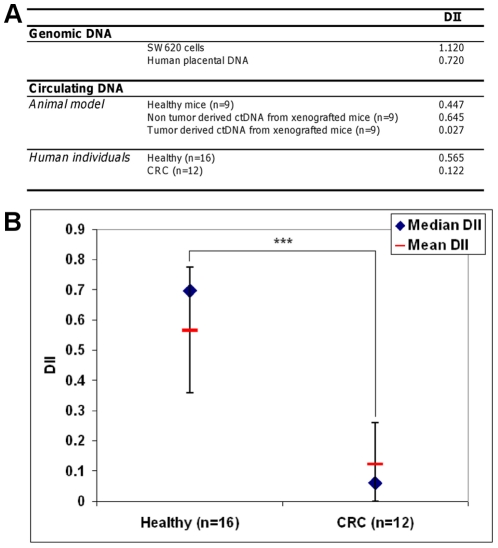
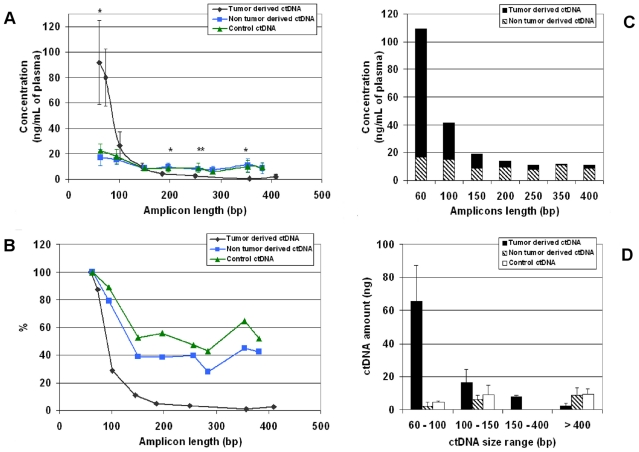
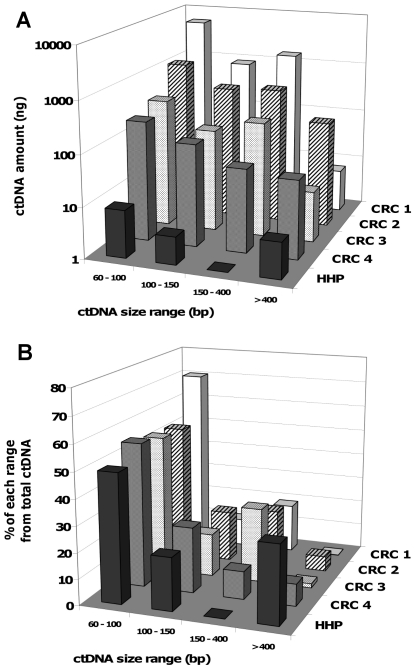
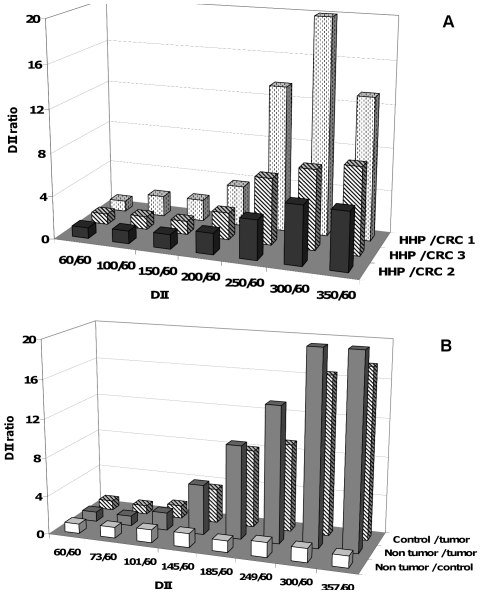
CONCLUSION/SIGNIFICANCE: Fragmentation and concentration of tumour-derived ctDNA is positively correlated with tumour weight. CtDNA quantification by Q-PCR depends on the amplified target length and is optimal for 60-100 bp fragments. Q-PCR analysis of plasma samples from xenografted mice and cancer patients showed that tumour-derived ctDNA exhibits a specific amount profile based on ctDNA size and significant higher ctDNA fragmentation. Metastatic colorectal patients (n = 12) showed nearly 5-fold higher mean ctDNA fragmentation than healthy individuals (n = 16).
循环 DNA(ctDNA)被认为是包括结直肠癌在内的多种癌症的潜在诊断工具,尤其是在考虑检测突变时。由于实验条件缺乏标准化,之前的报告在分析总 ctDNA 浓度和肿瘤衍生 ctDNA 片段比例方面存在许多差异和矛盾的数据。
为了严格分析 ctDNA,我们彻底研究了 ctDNA 的大小分布。我们使用高度特异性的 Q-PCR 检测方法和种植有 SW620 或 HT29 人结肠癌细胞的无胸腺裸鼠,并用转移性 CRC 患者的血浆对我们的结果进行了相关性分析。
结论/意义:肿瘤衍生 ctDNA 的片段化和浓度与肿瘤重量呈正相关。通过 Q-PCR 定量 ctDNA 取决于扩增的靶标长度,最佳片段长度为 60-100bp。对种植有肿瘤的小鼠和癌症患者的血浆样本进行 Q-PCR 分析显示,肿瘤衍生的 ctDNA 具有基于 ctDNA 大小的特定含量分布,且 ctDNA 片段化程度显著更高。12 例转移性结直肠癌患者(n=12)的平均 ctDNA 片段化程度比 16 例健康个体(n=16)高近 5 倍。