Andrology & Human Reproduction Clinic, São Paulo, Brazil.
Clinics (Sao Paulo). 2011;66(8):1463-78. doi: 10.1590/s1807-59322011000800026.
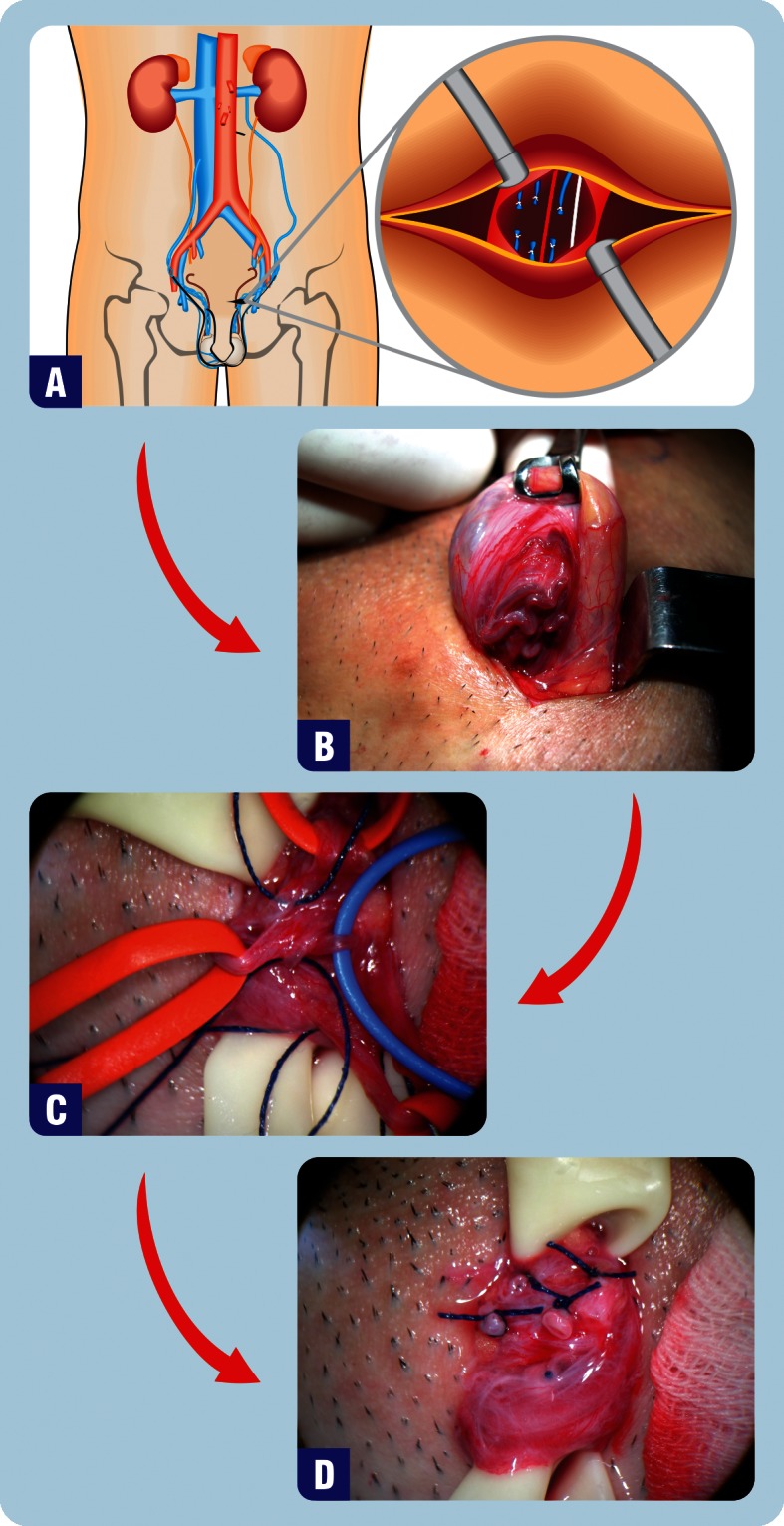
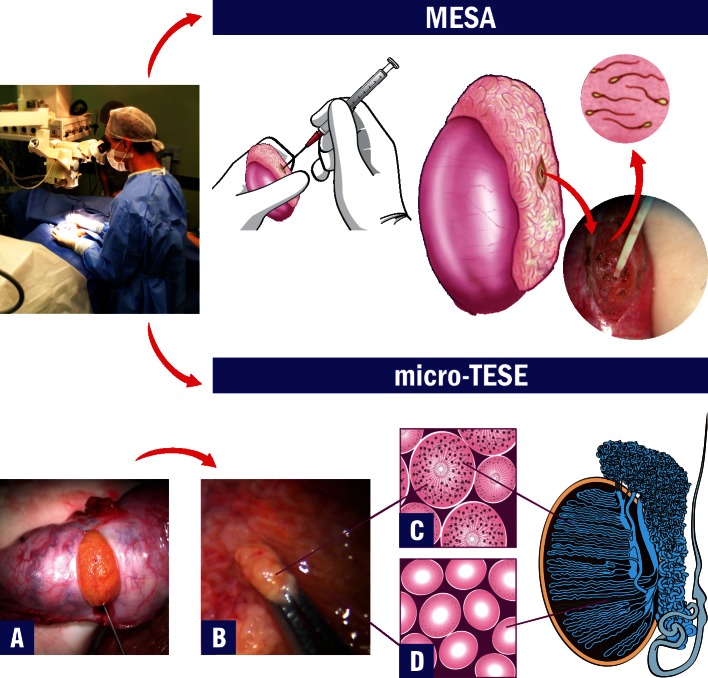
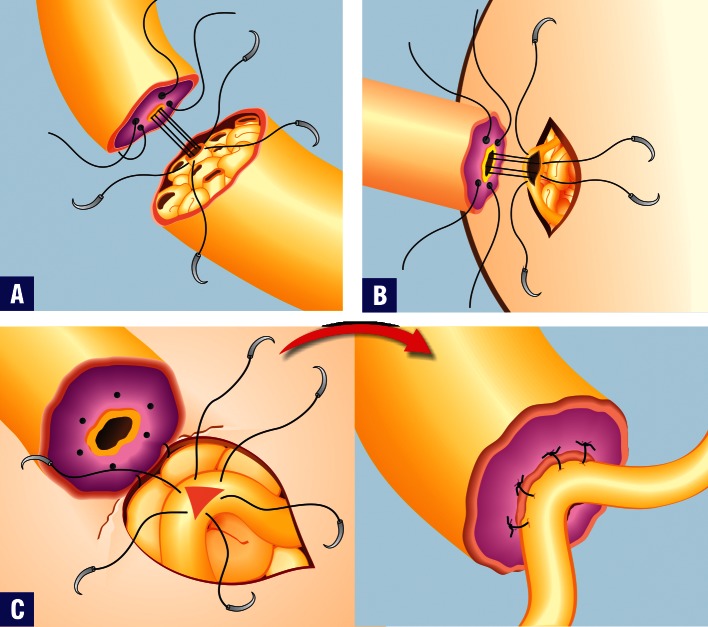
Assisted reproductive technology is an evolving area, and several adjuvant procedures have been created to increase a couple's chance of conceiving. For male infertility, the current challenges are to properly accommodate old and new techniques that are both cost-effective and evidence-based. In this context, urologists are expected to diagnose, counsel, provide medical or surgical treatment whenever possible and/or correctly refer male patients for assisted conception. Urologists are sometimes part of a multiprofessional team in an assisted reproduction unit and are responsible for the above-cited tasks as well as the surgical retrieval of sperm from either the epididymides or testicles. We present a comprehensive review of the surgical treatment options for infertile males, including the perioperative planning and prognostic aspects, with an emphasis on the role of microsurgery in the optimization of treatment results. This review also discusses current techniques for sperm retrieval that are used in association with assisted reproductive technology and includes sperm retrieval success rates according to the technique and the type of azoospermia. New insights are provided with regard to each surgical treatment option in view of the availability of assisted conception to overcome male infertility.
辅助生殖技术是一个不断发展的领域,已经创造了几种辅助程序来增加夫妇怀孕的机会。对于男性不育症,目前的挑战是合理地兼顾既具有成本效益又有循证医学证据的新旧技术。在这种情况下,泌尿科医生应诊断、咨询、尽可能提供医疗或手术治疗,以及/或正确转介男性患者进行辅助受孕。泌尿科医生有时是辅助生殖单位多专业团队的一员,负责上述任务以及从附睾或睾丸中获取精子的手术。我们全面回顾了不孕男性的手术治疗选择,包括围手术期规划和预后方面,并重点介绍了微创手术在优化治疗结果方面的作用。这篇综述还讨论了与辅助生殖技术相关的精子获取的当前技术,包括根据技术和无精子症类型的精子获取成功率。鉴于辅助受孕可克服男性不育症,本文就每种手术治疗选择提供了新的见解。