Cross Wendi F, West Jennifer C
University of Rochester School of Medicine and Dentistry Rochester, New York, USA.
J Child Serv. 2011;6(1):18-33. doi: 10.5042/jcs.2011.0123.
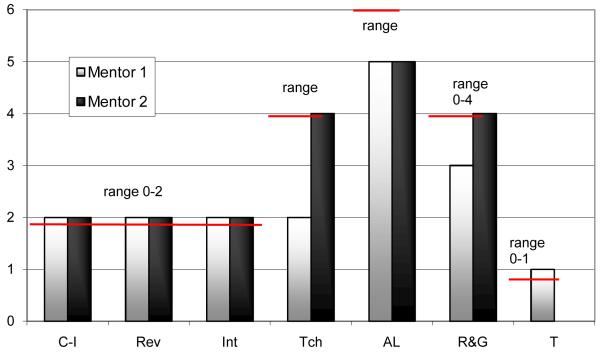
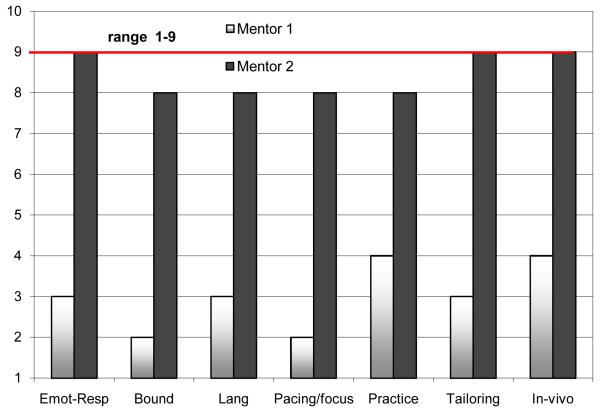
The large gap between intervention outcomes demonstrated in efficacy trials and the apparent ineffectiveness of these same programs in community settings has prompted investigators and practitioners to look closely at implementation fidelity. Critically important, but often overlooked, are the implementers who deliver evidence-based programs -- the effectiveness of programs cannot surpass skill levels of the people implementing them. This article distinguishes fidelity at the programmatic level from implementer fidelity. Two components of implementer fidelity are defined. Implementer adherence and competence are proposed to be related but unique constructs that can be reliably measured for training¸ monitoring, and outcomes research. Observational measures from a school-based preventive intervention are provided and the unique contributions of implementer adherence and competence are illustrated. Distinguishing implementer adherence to the manual and competence in program delivery is a critical next step in child mental health program implementation research.
疗效试验中所展示的干预效果与这些相同项目在社区环境中明显的无效性之间存在巨大差距,这促使研究者和从业者密切关注实施保真度。提供循证项目的实施者至关重要,但却常常被忽视——项目的有效性不可能超越实施者的技能水平。本文区分了项目层面的保真度和实施者保真度。定义了实施者保真度的两个组成部分。实施者的依从性和能力被认为是相关但独特的结构,可以通过可靠的测量用于培训、监测和效果研究。文中提供了一项基于学校的预防性干预的观察性测量方法,并阐述了实施者依从性和能力的独特贡献。区分实施者对手册的依从性和项目实施中的能力是儿童心理健康项目实施研究的关键下一步。