Center for Vaccine Research, University of Pittsburgh, Pittsburgh, Pennsylvania, United States of America.
PLoS One. 2011;6(9):e24654. doi: 10.1371/journal.pone.0024654. Epub 2011 Sep 13.
Pneumonic tularemia is caused by inhalation of the gram negative bacterium, Francisella tularensis. Because of concerns that tularemia could be used as a bioterrorism agent, vaccines and therapeutics are urgently needed. Animal models of pneumonic tularemia with a pathophysiology similar to the human disease are needed to evaluate the efficacy of these potential medical countermeasures.
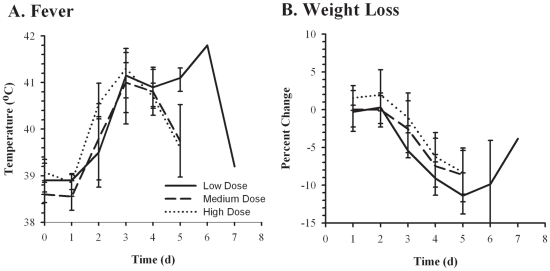
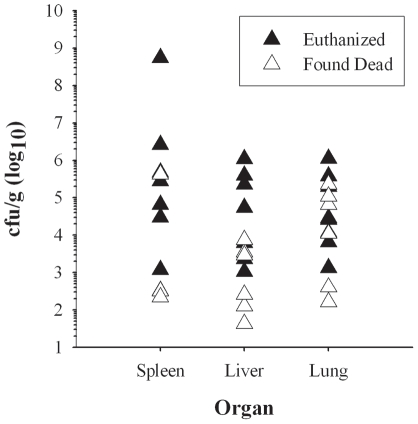
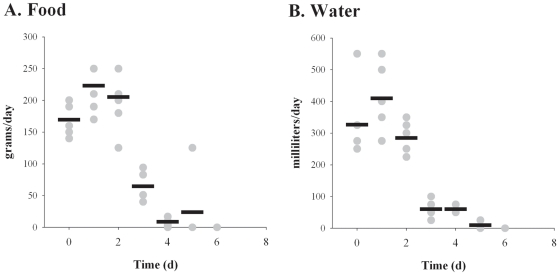
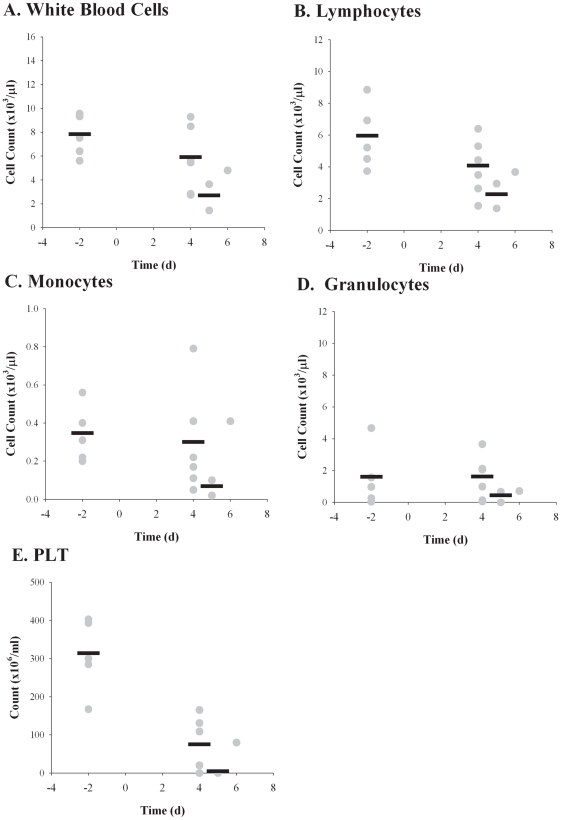
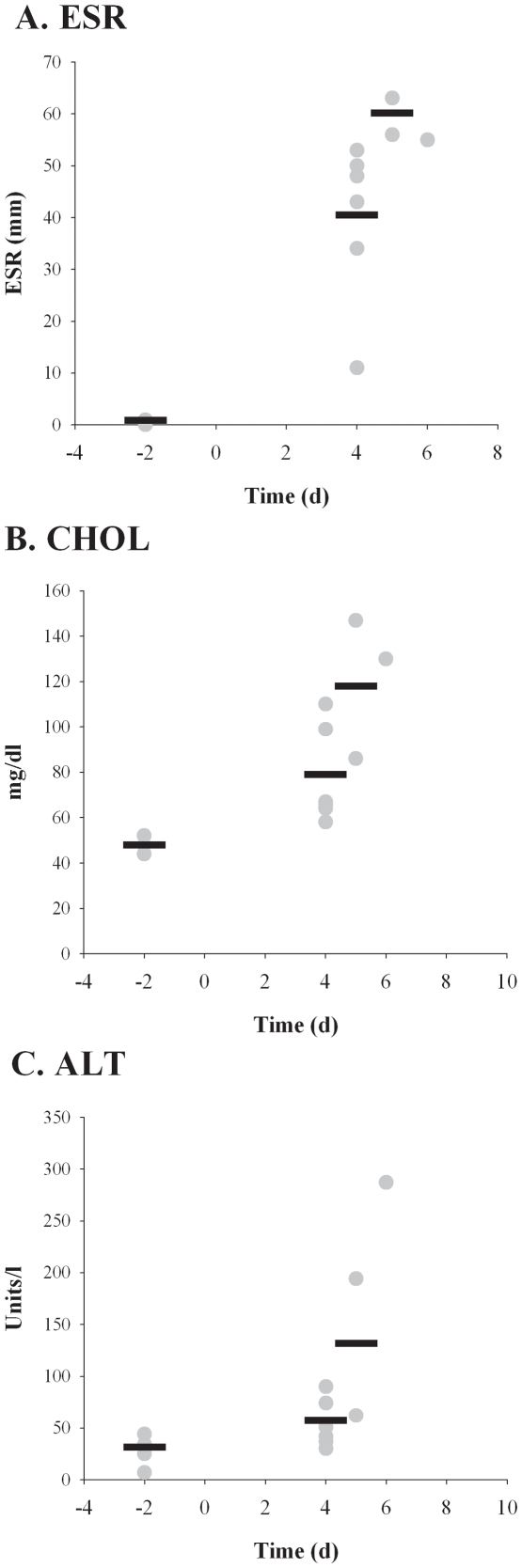
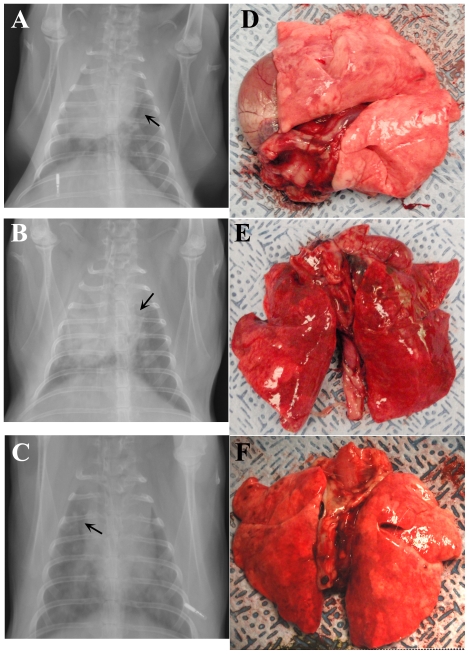
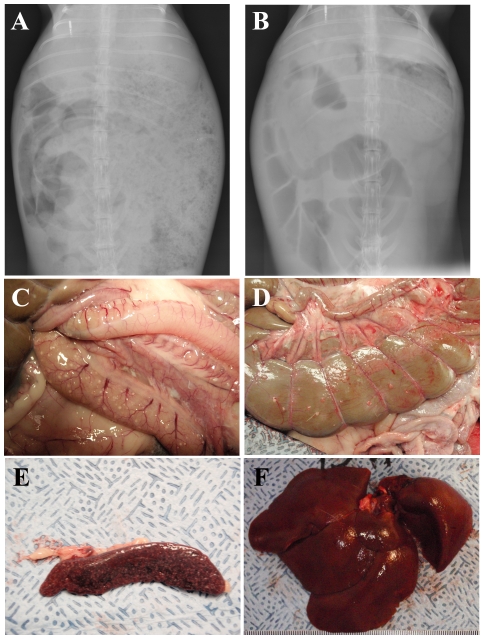
Rabbits exposed to aerosols containing Francisella tularensis strain SCHU S4 developed a rapidly progressive fatal pneumonic disease. Clinical signs became evident on the third day after exposure with development of a fever (>40.5°C) and a sharp decline in both food and water intake. Blood samples collected on day 4 found lymphopenia and a decrease in platelet counts coupled with elevations in erythrocyte sedimentation rate, alanine aminotransferase, cholesterol, granulocytes and monocytes. Radiographs demonstrated the development of pneumonia and abnormalities of intestinal gas consistent with ileus. On average, rabbits were moribund 5.1 days after exposure; no rabbits survived exposure at any dose (190-54,000 cfu). Gross evaluation of tissues taken at necropsy showed evidence of pathology in the lungs, spleen, liver, kidney and intestines. Bacterial counts confirmed bacterial dissemination from the lungs to the liver and spleen.
CONCLUSIONS/SIGNIFICANCE: The pathophysiology of pneumonic tularemia in rabbits resembles what has been reported for humans. Rabbits therefore are a relevant model of the human disease caused by type A strains of F. tularensis.
肺鼠疫是由革兰氏阴性细菌弗朗西斯菌引起的。由于担心鼠疫可能被用作生物恐怖主义制剂,因此急需疫苗和疗法。需要具有与人类疾病相似的病理生理学的肺鼠疫动物模型来评估这些潜在的医疗对策的功效。
暴露于含有弗朗西斯菌菌株 SCHU S4 的气溶胶中的兔子会发展出快速进展的致命性肺鼠疫。暴露后第三天出现临床症状,表现为发热(>40.5°C)和食物及水摄入量急剧下降。第 4 天采集的血液样本显示淋巴细胞减少和血小板计数下降,同时红细胞沉降率、丙氨酸氨基转移酶、胆固醇、粒细胞和单核细胞升高。射线照片显示肺炎和肠梗阻一致的肠道气体异常。平均而言,兔子在暴露后 5.1 天处于病危状态;任何剂量(190-54000 cfu)的兔子都没有存活。尸检时对组织的大体评估显示肺部、脾脏、肝脏、肾脏和肠道存在病理学证据。细菌计数证实细菌从肺部传播到肝脏和脾脏。
结论/意义:兔子的肺鼠疫病理生理学类似于已报道的人类疾病。因此,兔子是由弗朗西斯菌 A 型菌株引起的人类疾病的相关模型。