Department of Vascular Surgery, Princess Paola Hospital, Marcheen-Famenne, Belgium.
Diabetes Metab Syndr Obes. 2011;4:327-36. doi: 10.2147/DMSO.S23471. Epub 2011 Aug 22.
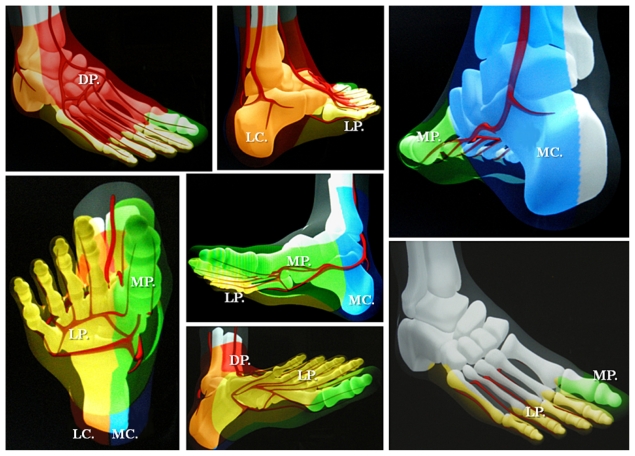
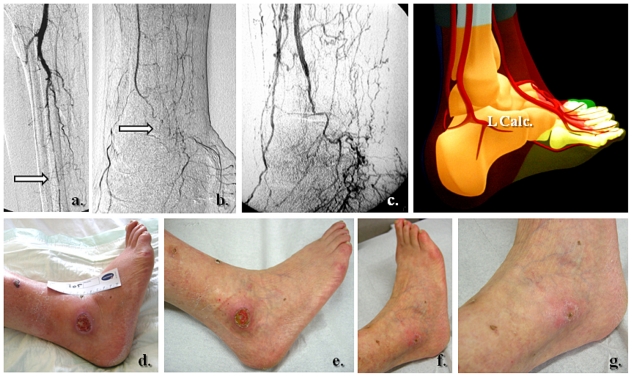
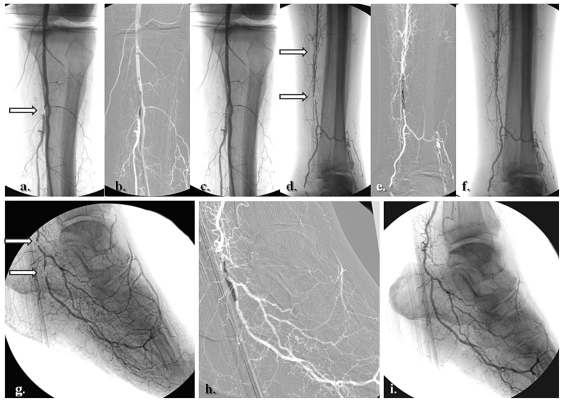
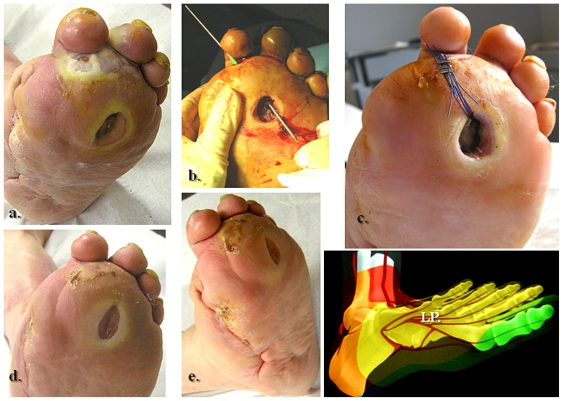
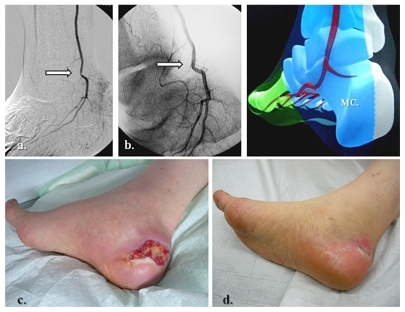
The angiosome principle was first described by Jan Taylor in 1987 in the plastic reconstructive surgery field, providing useful information on the vascular anatomy of the human body. Specifically concerning foot and ankle pathology, it may help the clinician to select better vascular access and specific strategies for revascularization. This knowledge may be particularly beneficial when treating diabetic neuroischemic foot wounds associated with particularly aggressive atherosclerotic disease and a poor collateral circulation. The implementation of angiosome-based strategies in diabetic infragenicular vascular reconstruction may afford encouraging wound healing and limb preservation rates using both bypass and endovascular techniques. The minimal invasiveness of these novel strategies enables us to perform more specific and more distal tibial and/or foot arterial reconstructions, in one or multiple targeted vessels. This paper reviews the available literature on this revascularization strategy and focuses on the potential benefit of angiosome-guided primary angioplasty for diabetic ischemic foot ulcers.
血管单元理论最初由 Jan Taylor 于 1987 年在整形外科学领域提出,为人体血管解剖学提供了有用的信息。具体到足踝病理学,它可以帮助临床医生选择更好的血管入路和特定的血运重建策略。当治疗与特别侵袭性动脉粥样硬化疾病和较差的侧支循环相关的糖尿病性神经缺血性足部伤口时,这种知识可能特别有益。在糖尿病膝下血管重建中实施基于血管单元的策略可以使用旁路和血管内技术提供令人鼓舞的伤口愈合和肢体保留率。这些新策略的微创性使我们能够在一个或多个靶向血管中进行更具体和更远端的胫骨和/或足部动脉重建。本文回顾了关于这种血运重建策略的现有文献,并重点介绍了血管单元指导下的原发性血管成形术治疗糖尿病性缺血性足部溃疡的潜在益处。