Pennington Biomedical Research Center, Baton Rouge, Louisiana 70808, USA.
Pediatr Blood Cancer. 2012 Jan;58(1):154-8. doi: 10.1002/pbc.23375. Epub 2011 Oct 20.
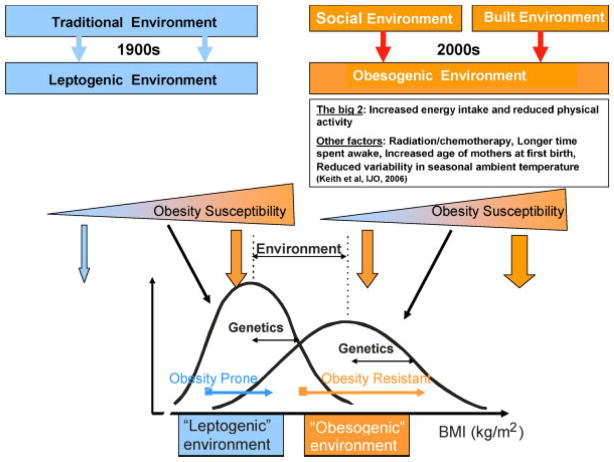
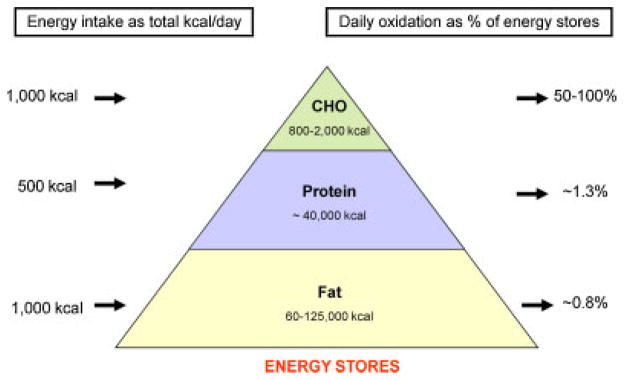
Childhood obesity is a significant public health problem, affecting one in five children in the United States. At the crux of this issue is a dysregulation of energy intake and energy expenditure. This review will provide an overview on energy and nutrient balance. We discuss energy balance studies in children using indirect and direct measures, and focus particularly on obesity as a deleterious consequence in childhood survivors of cancer. Obesity affects 11-57% of children with acute lymphoblastic leukemia, probably due to increased energy intake and reduced energy expenditure secondary to reduced habitual activity caused by fatigue. However, most of the studies in children with leukemia are retrospective, use BMI as a measure of obesity, and are inconclusive about the impact of the type of treatment on the development of obesity later in life. To better understand the etiology of obesity in both healthy and sick children, we need to undertake nutrient balance studies with appropriate measures of fat mass and fat distribution while keeping in mind the influence of normal tissue growth and puberty on energy balance.
儿童肥胖是一个严重的公共卫生问题,影响了美国五分之一的儿童。这个问题的核心是能量摄入和能量消耗的失调。本篇综述将提供关于能量和营养素平衡的概述。我们讨论了使用间接和直接测量方法的儿童能量平衡研究,并特别关注癌症幸存者儿童肥胖这一有害后果。肥胖影响了 11-57%的急性淋巴细胞白血病患儿,这可能是由于能量摄入增加和由于疲劳导致习惯性活动减少而导致的能量消耗减少所致。然而,大多数白血病患儿的研究是回顾性的,使用 BMI 作为肥胖的衡量标准,并且对于治疗类型对以后生活中肥胖发展的影响尚无定论。为了更好地了解健康和患病儿童肥胖的病因,我们需要在考虑正常组织生长和青春期对能量平衡的影响的同时,使用适当的脂肪量和脂肪分布测量方法进行营养素平衡研究。