Drechsler Yvonne, Alcaraz Ana, Bossong Frank J, Collisson Ellen W, Diniz Pedro Paulo V P
College of Veterinary Medicine, Western University of Health Sciences, 309 East Second Street, Pomona, CA 91766-1854, USA.
Vet Clin North Am Small Anim Pract. 2011 Nov;41(6):1133-69. doi: 10.1016/j.cvsm.2011.08.004.
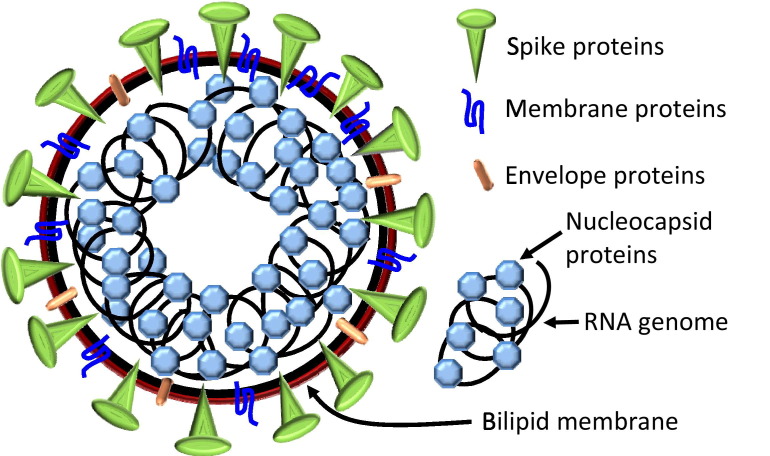
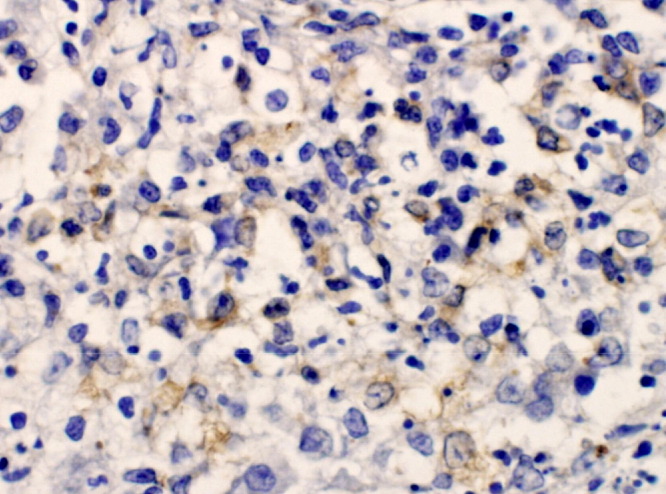
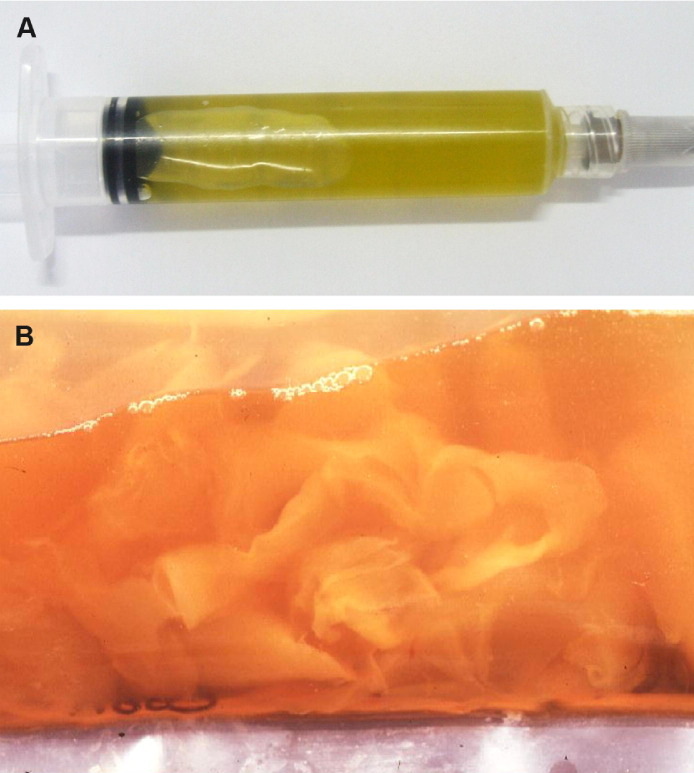
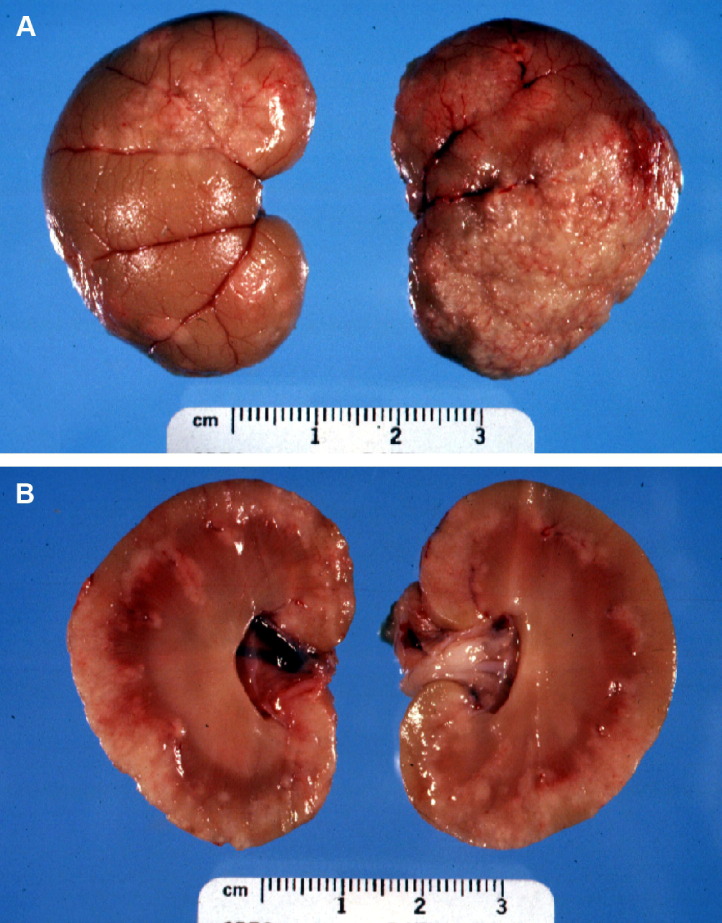
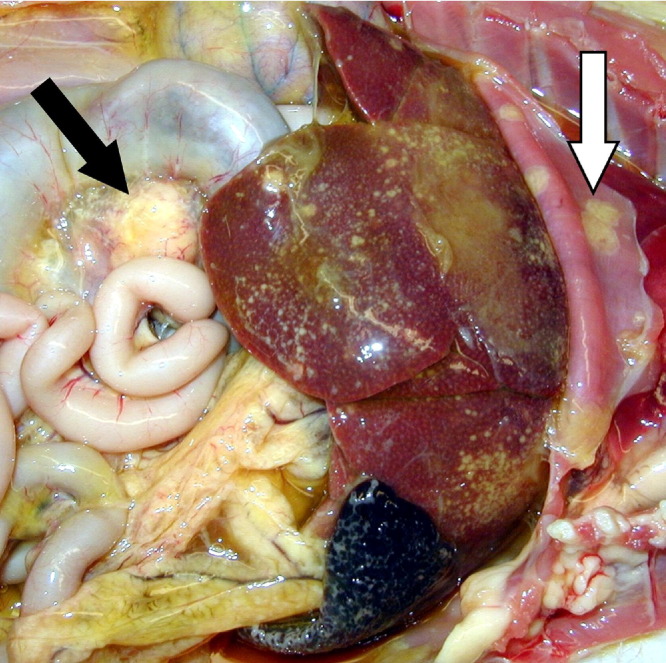
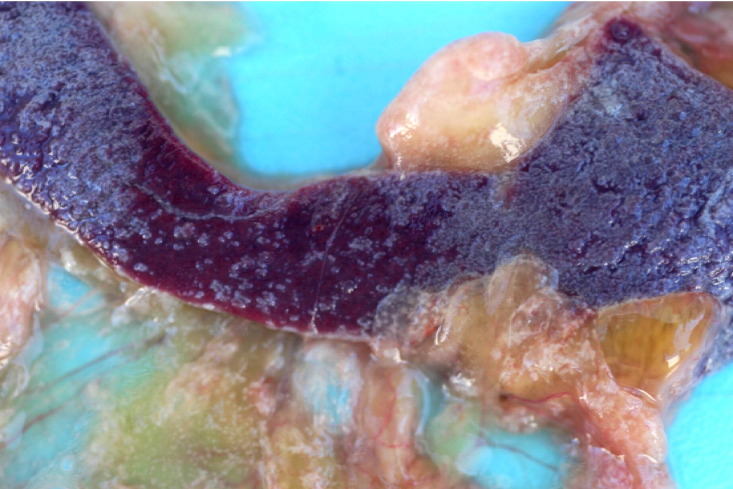
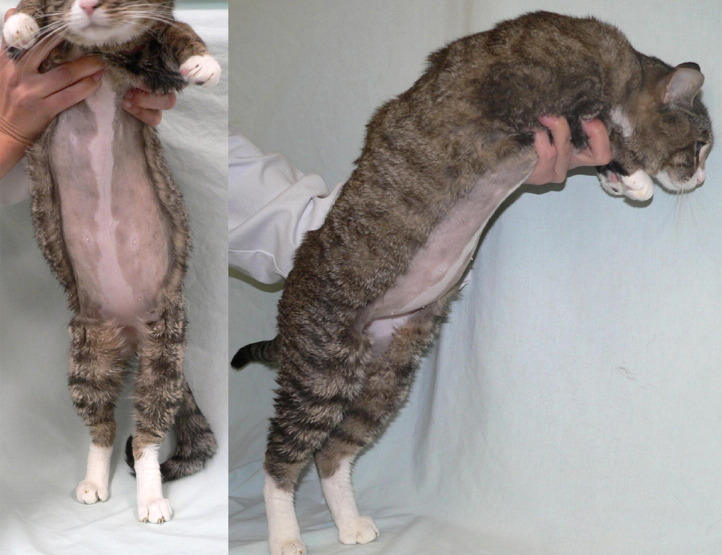
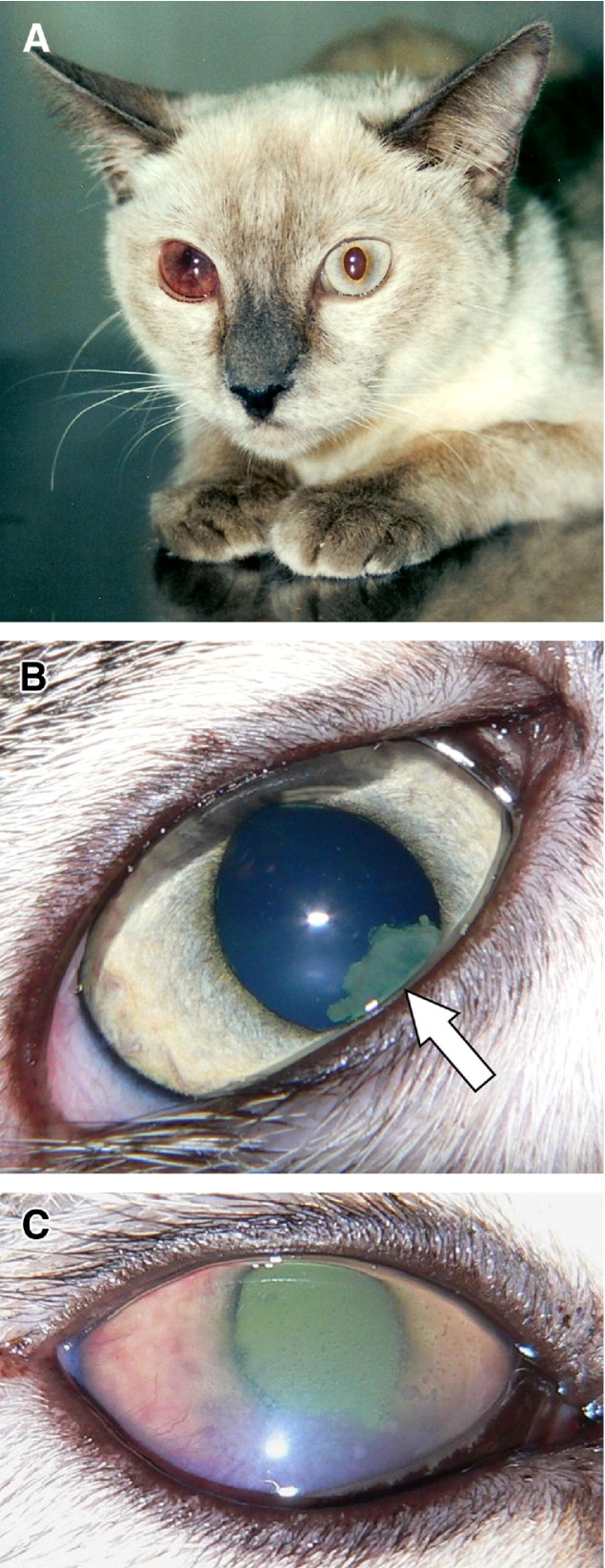
Feline infectious peritonitis (FIP), a fatal disease in cats worldwide, is caused by FCoV infection, which commonly occurs in multicat environments. The enteric FCoV, referred to as feline enteric virus (FECV), is considered a mostly benign biotype infecting the gut, whereas the FIP virus biotype is considered the highly pathogenic etiologic agent for FIP. Current laboratory tests are unable to distinguish between virus biotypes of FCoV. FECV is highly contagious and easily spreads in multicat environments; therefore, the challenges to animal shelters are tremendous. This review summarizes interdisciplinary current knowledge in regard to virology, immunology, pathology, diagnostics, and treatment options in the context of multicat environments.
猫传染性腹膜炎(FIP)是一种在全球范围内对猫致命的疾病,由猫冠状病毒(FCoV)感染引起,这种感染常见于多猫环境中。肠道FCoV,即猫肠道病毒(FECV),被认为是一种主要感染肠道的良性生物型,而FIP病毒生物型则被认为是FIP的高致病性病原体。目前的实验室检测无法区分FCoV的病毒生物型。FECV具有高度传染性,在多猫环境中很容易传播;因此,对动物收容所来说挑战巨大。本综述总结了在多猫环境背景下,关于病毒学、免疫学、病理学、诊断和治疗选择的跨学科现有知识。