Department of Veterinary Biosciences, The Ohio State University, Columbus, Ohio, United States of America.
PLoS One. 2011;6(11):e27018. doi: 10.1371/journal.pone.0027018. Epub 2011 Nov 3.
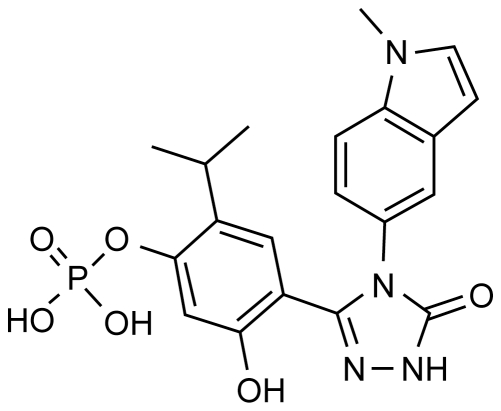
The novel water soluble compound STA-1474 is metabolized to ganetespib (formerly STA-9090), a potent HSP90 inhibitor previously shown to kill canine tumor cell lines in vitro and inhibit tumor growth in the setting of murine xenografts. The purpose of the following study was to extend these observations and investigate the safety and efficacy of STA-1474 in dogs with spontaneous tumors.
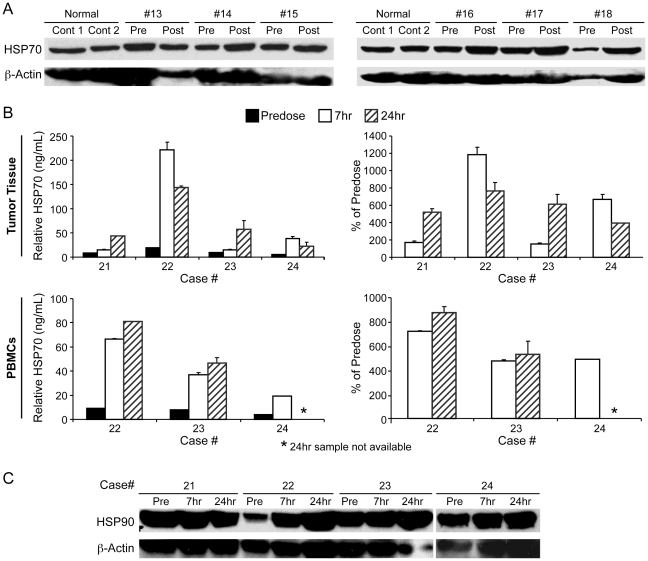
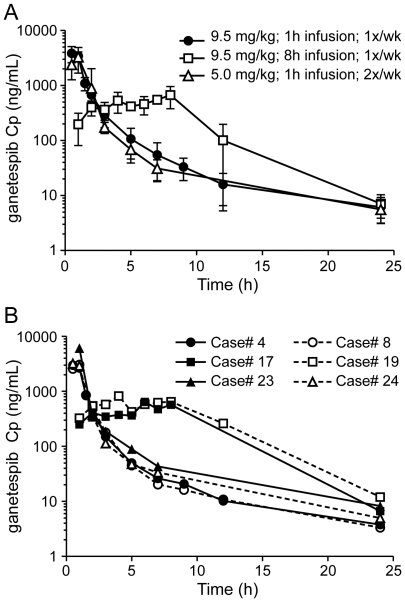
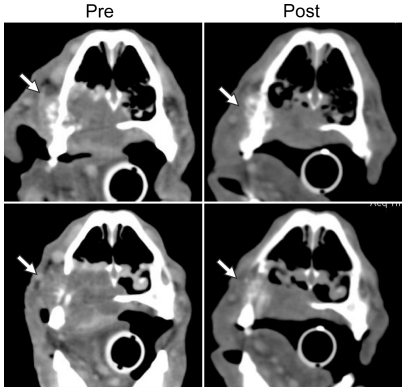
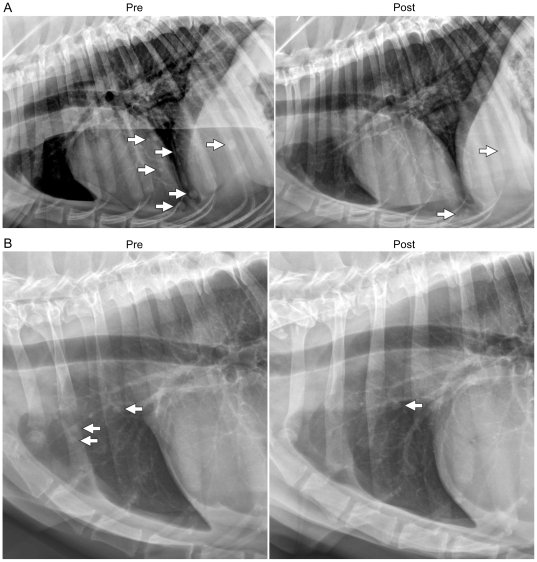
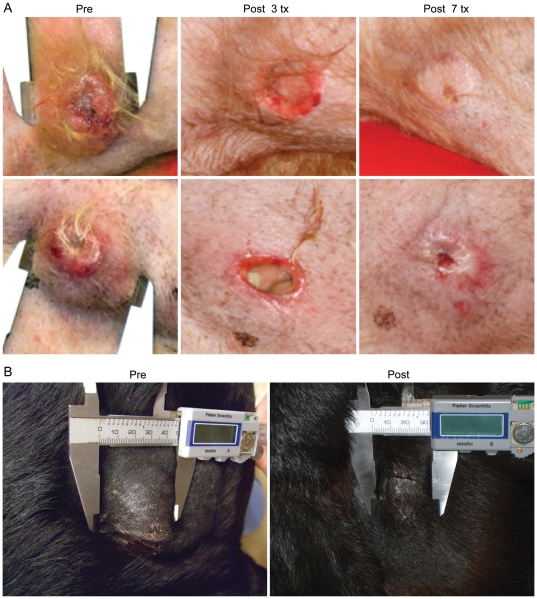
This was a Phase 1 trial in which dogs with spontaneous tumors received STA-1474 under one of three different dosing schemes. Pharmacokinetics, toxicities, biomarker changes, and tumor responses were assessed. Twenty-five dogs with a variety of cancers were enrolled. Toxicities were primarily gastrointestinal in nature consisting of diarrhea, vomiting, inappetence and lethargy. Upregulation of HSP70 protein expression was noted in both tumor specimens and PBMCs within 7 hours following drug administration. Measurable objective responses were observed in dogs with malignant mast cell disease (n = 3), osteosarcoma (n = 1), melanoma (n = 1) and thyroid carcinoma (n = 1), for a response rate of 24% (6/25). Stable disease (>10 weeks) was seen in 3 dogs, for a resultant overall biological activity of 36% (9/25).
This study provides evidence that STA-1474 exhibits biologic activity in a relevant large animal model of cancer. Given the similarities of canine and human cancers with respect to tumor biology and HSP90 activation, it is likely that STA-1474 and ganetespib will demonstrate comparable anti-cancer activity in human patients.
新型水溶性化合物 STA-1474 代谢为 ganetespib(前身为 STA-9090),这是一种先前已证明在体外杀死犬肿瘤细胞系并抑制小鼠异种移植物中肿瘤生长的强效 HSP90 抑制剂。本研究的目的是扩展这些观察结果,并研究 STA-1474 在患有自发性肿瘤的犬中的安全性和疗效。
这是一项 I 期临床试验,其中患有自发性肿瘤的犬接受了三种不同给药方案之一的 STA-1474 治疗。评估了药代动力学、毒性、生物标志物变化和肿瘤反应。共纳入了 25 只患有各种癌症的犬。毒性主要为胃肠道性质,包括腹泻、呕吐、食欲不振和嗜睡。给药后 7 小时内,在肿瘤标本和 PBMC 中均观察到 HSP70 蛋白表达上调。在患有恶性肥大细胞瘤病(n = 3)、骨肉瘤(n = 1)、黑色素瘤(n = 1)和甲状腺癌(n = 1)的犬中观察到可测量的客观反应,反应率为 24%(6/25)。3 只犬出现疾病稳定(>10 周),总生物学活性为 36%(9/25)。
本研究为 STA-1474 在相关的大型动物癌症模型中具有生物学活性提供了证据。鉴于犬类和人类癌症在肿瘤生物学和 HSP90 激活方面的相似性,很可能 STA-1474 和 ganetespib 在人类患者中表现出类似的抗癌活性。