Guilford Timothy, Morris Devin, Gray Dennis, Venketaraman Vishwanath
Your Energy Systems, Palo Alto, CA, USA.
HIV AIDS (Auckl). 2010;2:211-8. doi: 10.2147/HIV.S11977. Epub 2010 Oct 29.
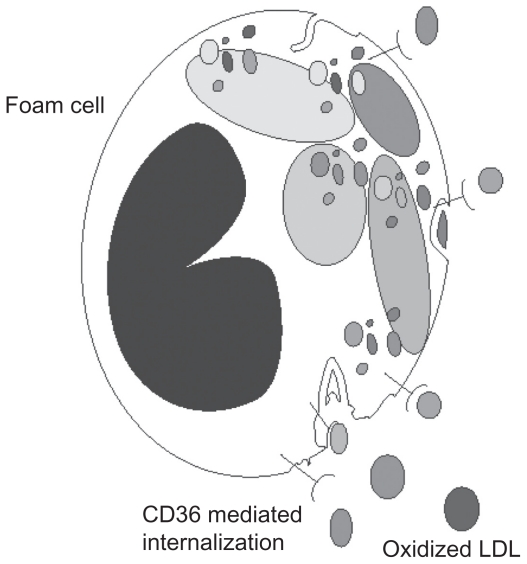
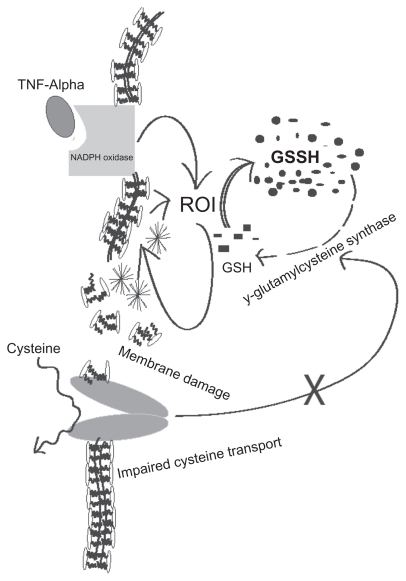
Atherosclerosis is a leading cause of coronary heart disease and stroke. Since 1981, more than 980,000 cases of AIDS have been reported in the United States. According to the Centers for Disease Control, more than 1 million Americans may be infected with HIV. By killing or damaging CD4+ T cells of the body's immune system, HIV progressively destroys the body's ability to fight infections. People diagnosed with AIDS often suffer from life-threatening diseases caused by opportunistic infections such as tuberculosis. HIV-infected individuals have increased risks for atherosclerosis. This review summarizes the effects of oxidized low density lipoproteins in impairing macrophage functions in individuals with atherosclerosis (with and without HIV infection) thereby enhancing the susceptibility to Mycobacterium tuberculosis infection.
动脉粥样硬化是冠心病和中风的主要病因。自1981年以来,美国已报告超过98万例艾滋病病例。根据疾病控制中心的数据,超过100万美国人可能感染了艾滋病毒。通过杀死或损害人体免疫系统的CD4+ T细胞,艾滋病毒逐渐破坏人体抵抗感染的能力。被诊断患有艾滋病的人常常患有由机会性感染(如结核病)引起的危及生命的疾病。感染艾滋病毒的个体患动脉粥样硬化的风险增加。本综述总结了氧化型低密度脂蛋白对动脉粥样硬化患者(有或无艾滋病毒感染)巨噬细胞功能的损害作用,从而增强了对结核分枝杆菌感染的易感性。