Center for Medical Research, Medical University of Graz, Austria.
Toxicology. 2012 Jan 27;291(1-3):10-7. doi: 10.1016/j.tox.2011.11.004. Epub 2011 Nov 18.
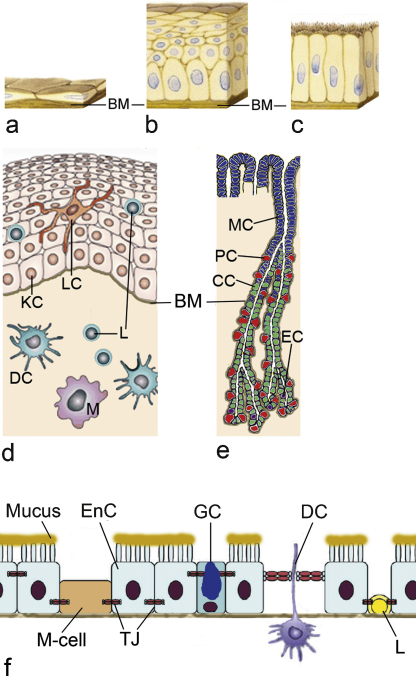
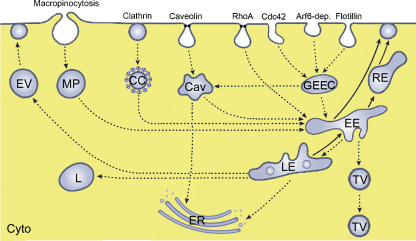
Presently, many consumer products contain nano-sized materials (NMs) to improve material properties, product quality and ease of use. NMs in food additives and in cosmetic articles (e.g., tooth paste) may be taken up by the oral route. As adverse effects of environmental nanoparticles, like ultrafine particles, have been reported, consumers worry about potential risks when using products containing NMs. The review focuses on metal and metal oxide NMs as common additives in tooth paste and in food industry and exposure by the oral route. Testing of NMs for oral exposure is very complex because differences in the diet, in mucus secretion and composition, in pH, in gastrointestinal transit time and in gastrointestinal flora influence NM uptake. Acellular (mucus, saliva) and epithelial layer of the orogastrointestinal barrier are described. Expected exposure doses, interaction of the NMs with mucus and permeation through the epithelium as well as in vivo data are mentioned. The role of in vitro models for the study of parameters relevant for ingested NMs is discussed.
目前,许多消费品都含有纳米材料 (NMs),以改善材料性能、产品质量和使用便利性。食品添加剂和化妆品(如牙膏)中的纳米材料可能通过口服途径被吸收。由于环境纳米颗粒(如超细颗粒)的不良影响已经被报道,消费者在使用含有纳米材料的产品时会担心潜在的风险。本文重点介绍了金属和金属氧化物纳米材料作为牙膏和食品工业中的常见添加剂,以及通过口服途径的暴露情况。由于饮食、黏液分泌和组成、pH 值、胃肠道转运时间和胃肠道菌群的差异会影响纳米材料的吸收,因此对口服暴露的纳米材料进行测试非常复杂。本文描述了口腔胃肠道屏障的无细胞(黏液、唾液)和上皮层。还提到了预期的暴露剂量、纳米材料与黏液的相互作用以及通过上皮层的渗透,以及体内数据。讨论了体外模型在研究摄入纳米材料相关参数中的作用。