Hill Gabrielle M, Moriarity Debra M, Setzer William N
Department of Chemistry, University of Alabama in Huntsville, Huntsville, Alabama 35899, USA.
Sci Pharm. 2011 Oct-Dec;79(4):729-47. doi: 10.3797/scipharm.1107-19. Epub 2011 Sep 17.
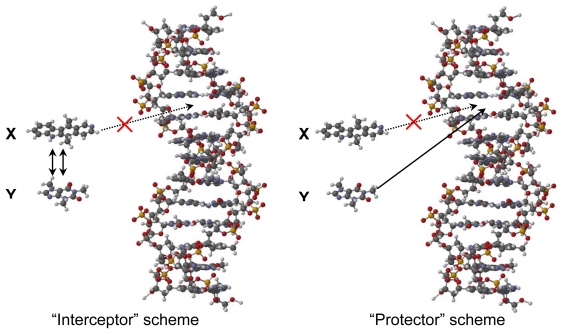
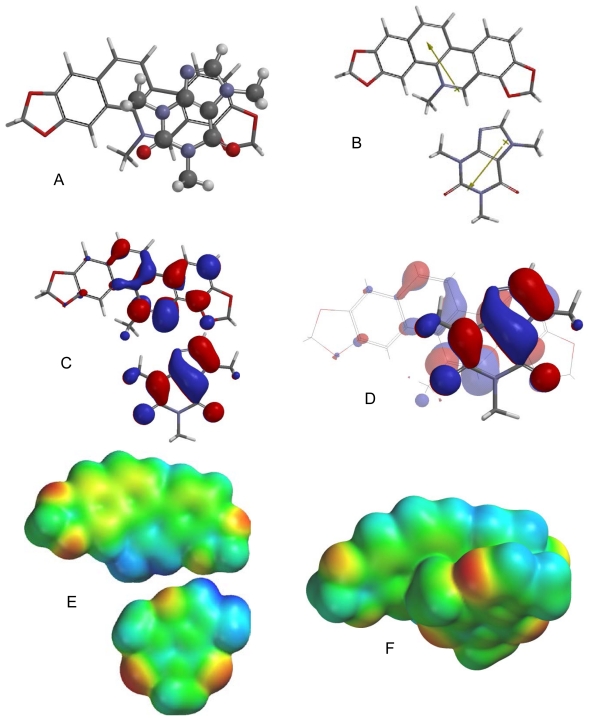
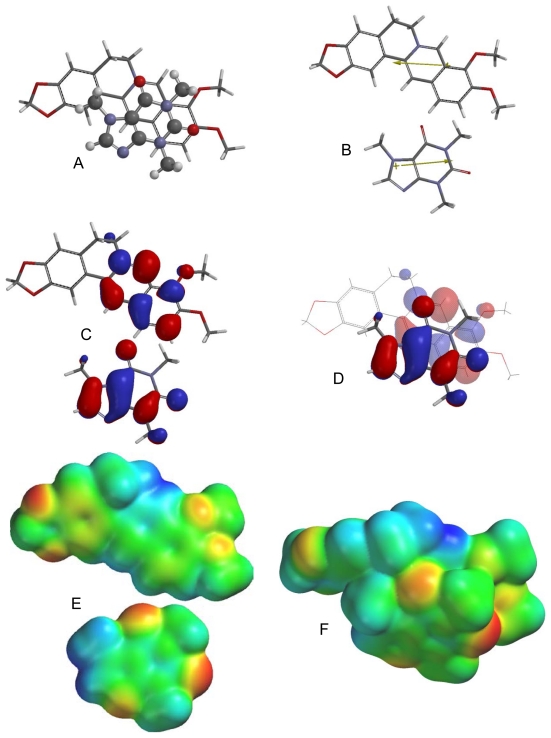
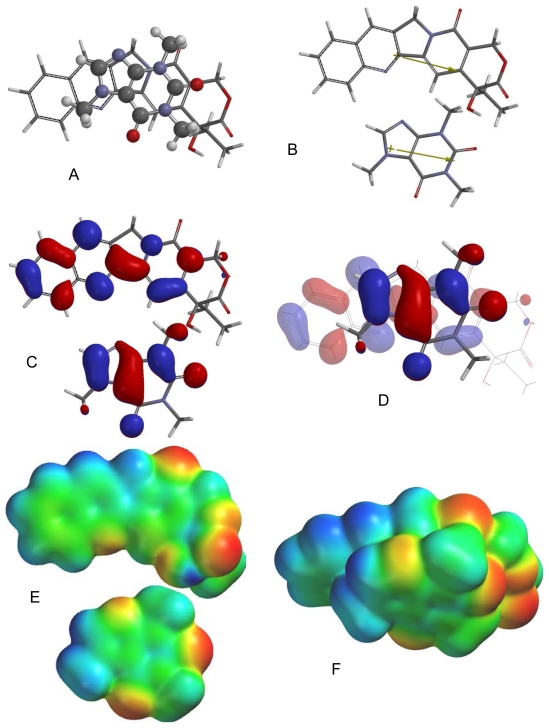
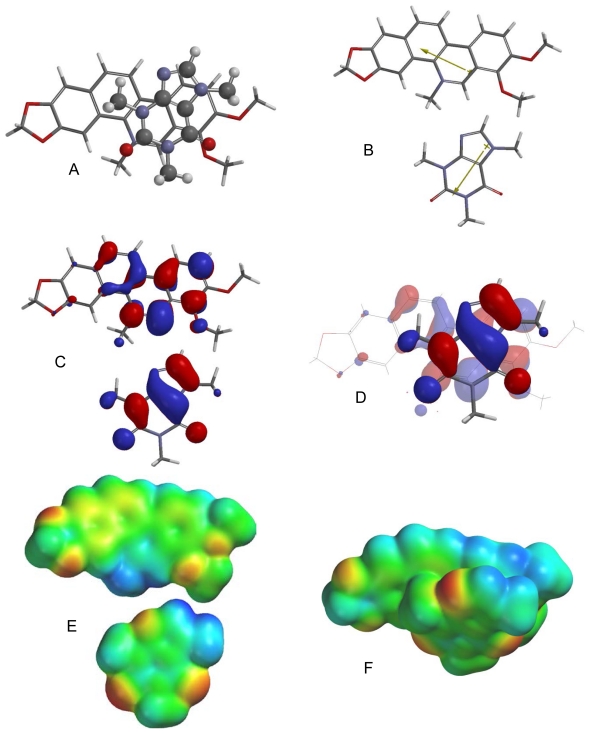
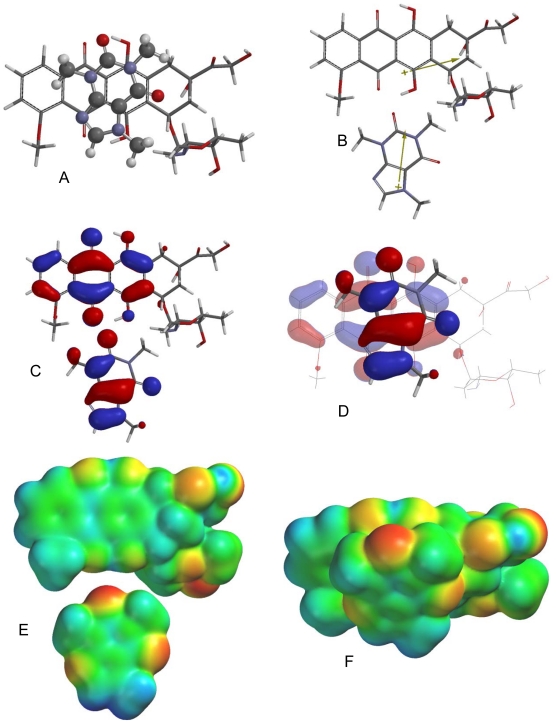
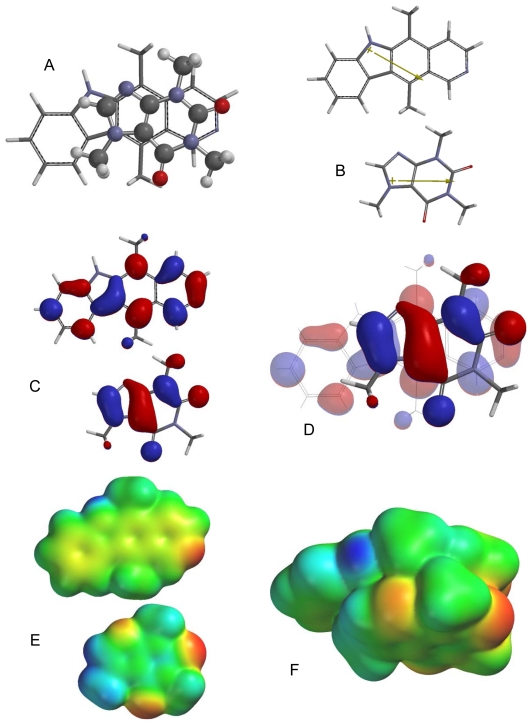
Many anti-tumor drugs function by intercalating into DNA. The xanthine alkaloid caffeine can also intercalate into DNA as well as form π-π molecular complexes with other planar alkaloids and anti-tumor drugs. The presence of caffeine could interfere with the intercalating anti-tumor drug by forming π-π molecular complexes with the drug, thereby blocking the planar aromatic drugs from intercalating into the DNA and ultimately lowering the toxicity of the drug to the cancer cells. The cytotoxic activities of several known DNA intercalators (berberine, camptothecin, chelerythrine, doxorubicin, ellipticine, and sanguinarine) on MCF-7 breast cancer cells, both with and without caffeine present (200 μg/mL) were determined. Significant attenuation of the cytotoxicities by caffeine was found. Computational molecular modeling studies involving the intercalating anti-tumor drugs with caffeine were also carried out using density functional theory (DFT) and the recently developed M06 functional. Relatively strong π-π interaction energies between caffeine and the intercalators were found, suggesting an "interceptor" role of caffeine protecting the DNA from intercalation.
许多抗肿瘤药物通过嵌入DNA发挥作用。黄嘌呤生物碱咖啡因也能嵌入DNA,还能与其他平面生物碱和抗肿瘤药物形成π-π分子复合物。咖啡因的存在可能会与药物形成π-π分子复合物,从而干扰嵌入型抗肿瘤药物,阻止平面芳香族药物嵌入DNA,最终降低药物对癌细胞的毒性。测定了几种已知的DNA嵌入剂(黄连素、喜树碱、白屈菜红碱、阿霉素、玫瑰树碱和血根碱)在有无咖啡因(200μg/mL)存在的情况下对MCF-7乳腺癌细胞的细胞毒性活性。发现咖啡因能显著减弱细胞毒性。还使用密度泛函理论(DFT)和最近开发的M06泛函,对嵌入型抗肿瘤药物与咖啡因进行了计算分子模拟研究。发现咖啡因与嵌入剂之间存在相对较强的π-π相互作用能,表明咖啡因具有保护DNA不被嵌入的“拦截器”作用。