Department of Biology, The Pennsylvania State University, University Park, Pennsylvania, USA.
PLoS One. 2011;6(12):e28634. doi: 10.1371/journal.pone.0028634. Epub 2011 Dec 28.
Cnidarians, including corals and anemones, offer unique insights into metazoan evolution because they harbor genetic similarities with vertebrates beyond that found in model invertebrates and retain genes known only from non-metazoans. Cataloging genes expressed in Acropora palmata, a foundation-species of reefs in the Caribbean and western Atlantic, will advance our understanding of the genetic basis of ecologically important traits in corals and comes at a time when sequencing efforts in other cnidarians allow for multi-species comparisons.
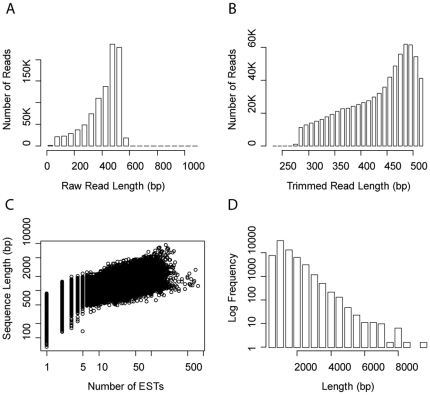
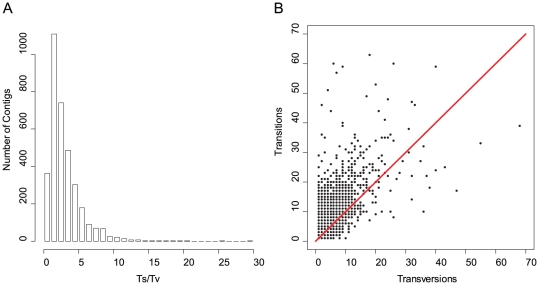
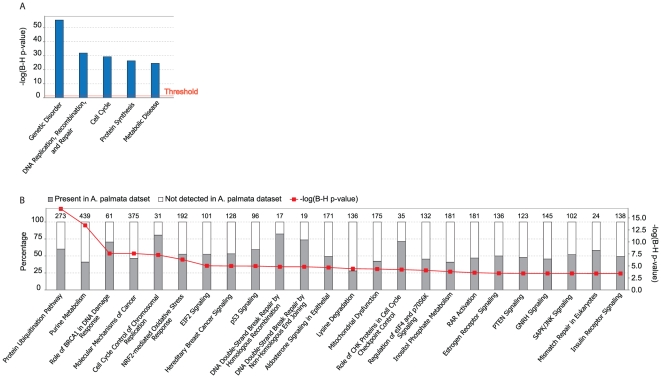
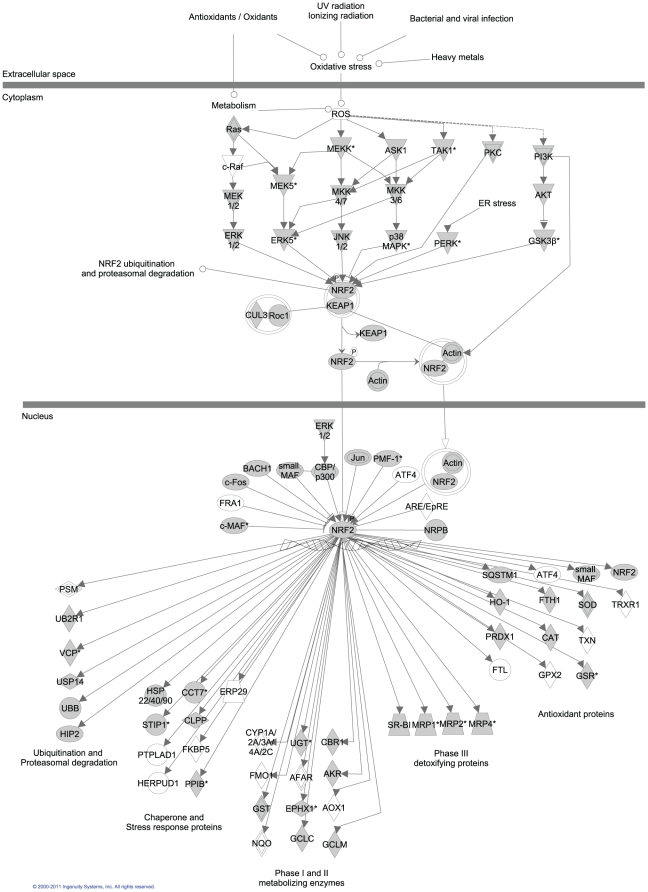
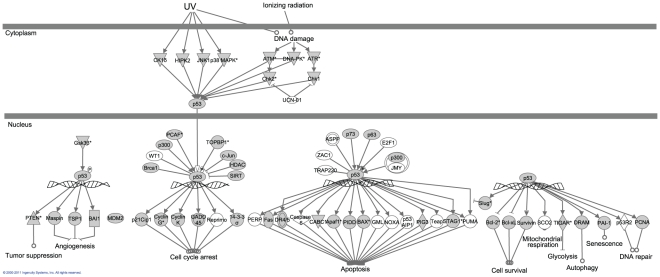
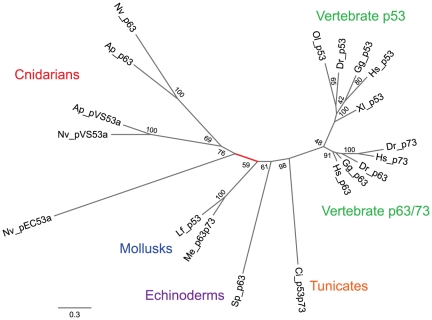
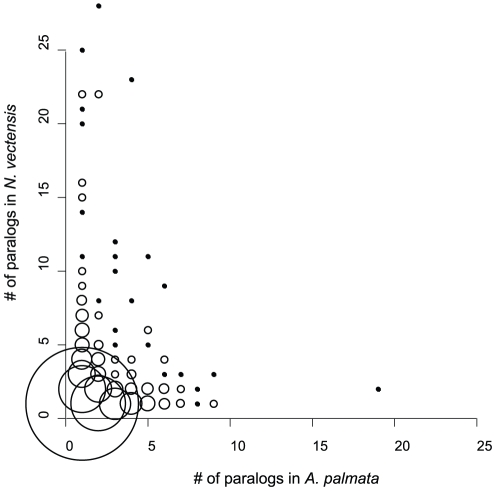
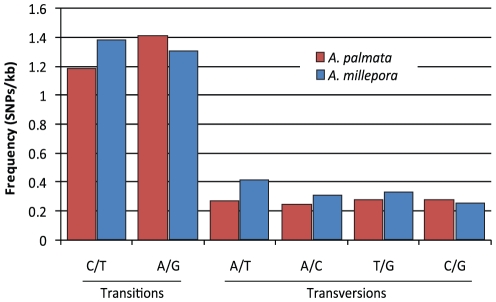
A cDNA library from a sample enriched for symbiont free larval tissue was sequenced on the 454 GS-FLX platform. Over 960,000 reads were obtained and assembled into 42,630 contigs. Annotation data was acquired for 57% of the assembled sequences. Analysis of the assembled sequences indicated that 83-100% of all A. palmata transcripts were tagged, and provided a rough estimate of the total number genes expressed in our samples (~18,000-20,000). The coral annotation data contained many of the same molecular components as in the Bilateria, particularly in pathways associated with oxidative stress and DNA damage repair, and provided evidence that homologs of p53, a key player in DNA repair pathways, has experienced selection along the branch separating Cnidaria and Bilateria. Transcriptome wide screens of paralog groups and transition/transversion ratios highlighted genes including: green fluorescent proteins, carbonic anhydrase, and oxidative stress proteins; and functional groups involved in protein and nucleic acid metabolism, and the formation of structural molecules. These results provide a starting point for study of adaptive evolution in corals.
Currently available transcriptome data now make comparative studies of the mechanisms underlying coral's evolutionary success possible. Here we identified candidate genes that enable corals to maintain genomic integrity despite considerable exposure to genotoxic stress over long life spans, and showed conservation of important physiological pathways between corals and bilaterians.
刺胞动物,包括珊瑚和海葵,为后生动物的进化提供了独特的见解,因为它们与脊椎动物的遗传相似性超出了模型无脊椎动物的范围,并保留了仅在非后生动物中发现的基因。对加勒比海和西大西洋造礁石珊瑚的基础物种 Acropora palmata 中表达的基因进行编目,将有助于我们了解珊瑚中具有生态重要性的遗传基础,并且恰逢其他刺胞动物的测序工作允许进行多物种比较之时。
从富含共生体自由幼虫组织的样本中构建了一个 cDNA 文库,并在 454 GS-FLX 平台上进行了测序。获得了超过 960,000 条读数,并组装成 42,630 个 contigs。组装序列的注释数据获取了 57%。组装序列的分析表明,A. palmata 转录本的 83-100%被标记,并且提供了我们样本中表达的基因总数的大致估计(~18,000-20,000)。珊瑚注释数据包含了与两侧对称动物相同的分子成分,特别是与氧化应激和 DNA 损伤修复相关的途径,并且提供了证据表明,p53 的同源物,DNA 修复途径中的关键参与者,沿着将刺胞动物和两侧对称动物分开的分支经历了选择。同源基因和转换/颠换比值的转录组-wide 筛选突出了包括:绿色荧光蛋白、碳酸酐酶和氧化应激蛋白;以及参与蛋白质和核酸代谢以及结构分子形成的功能组。这些结果为珊瑚适应性进化的研究提供了起点。
目前可用的转录组数据现在使研究珊瑚进化成功的机制成为可能。在这里,我们确定了候选基因,这些基因使珊瑚能够在长期的寿命中保持基因组的完整性,尽管受到大量的遗传毒性应激,并且显示了珊瑚和两侧对称动物之间重要生理途径的保守性。