Darling Cynthia L, Jiao Jane J, Lee Chulsung, Kang Hobin, Fried Daniel
University of California, San Francisco, CA 94143-0758.
Proc SPIE Int Soc Opt Eng. 2010;7549:75490L. doi: 10.1117/12.849341.
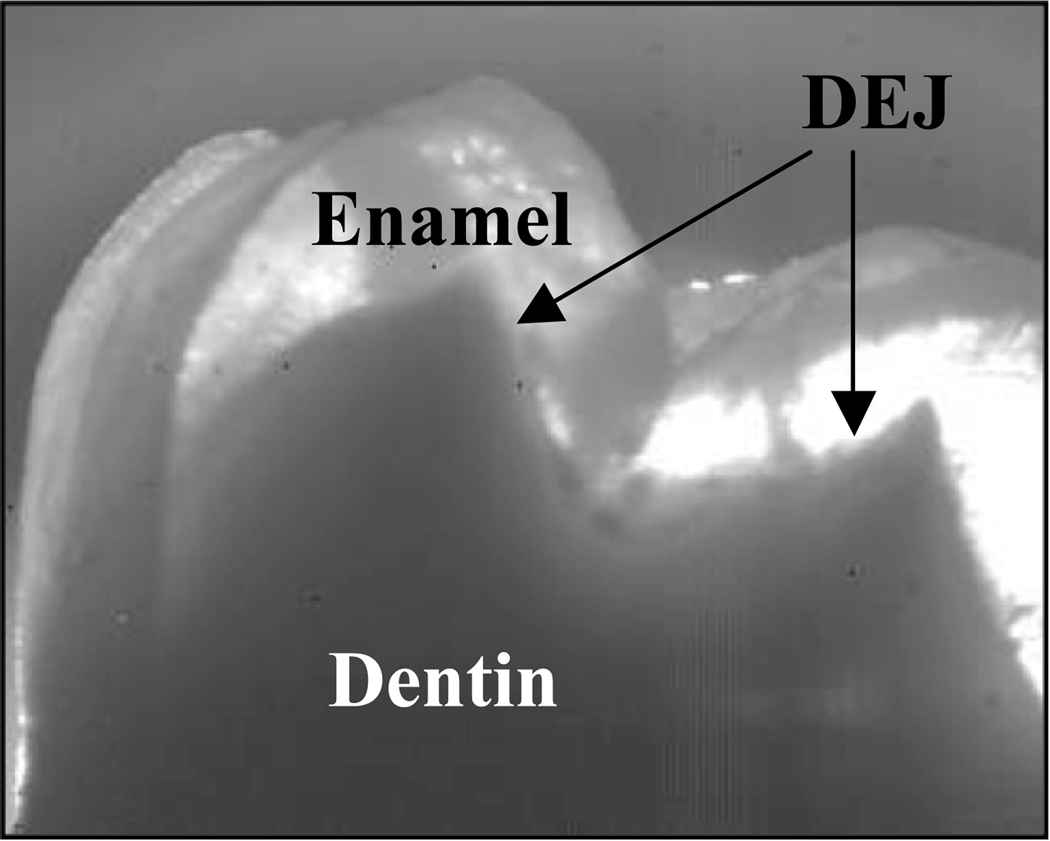
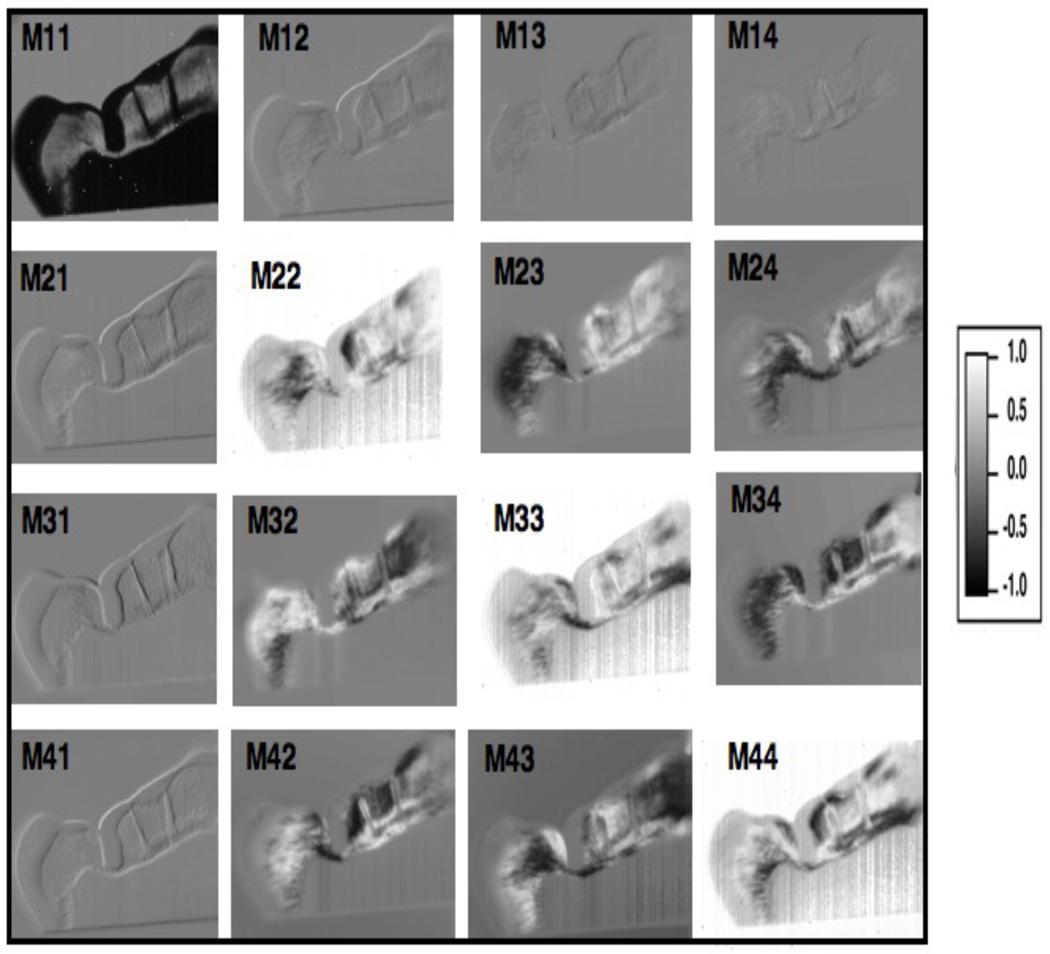
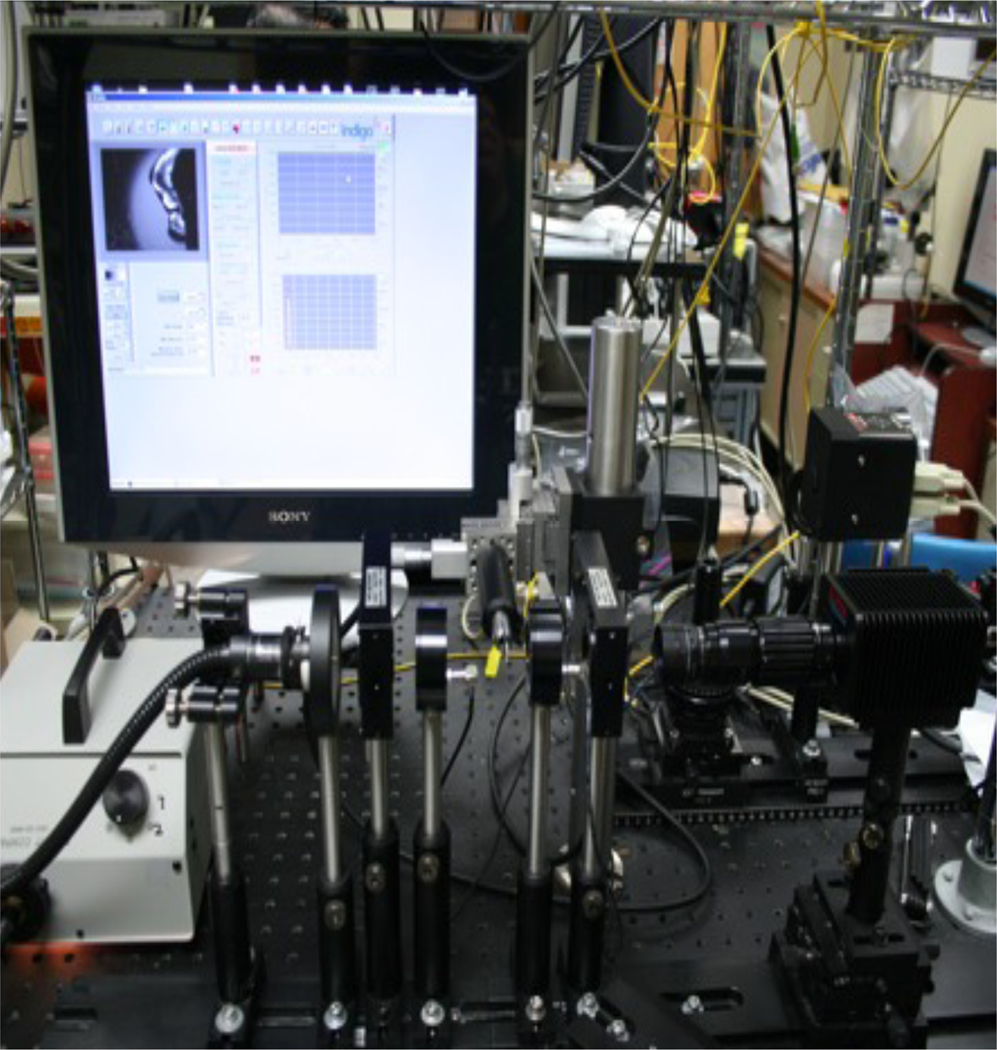
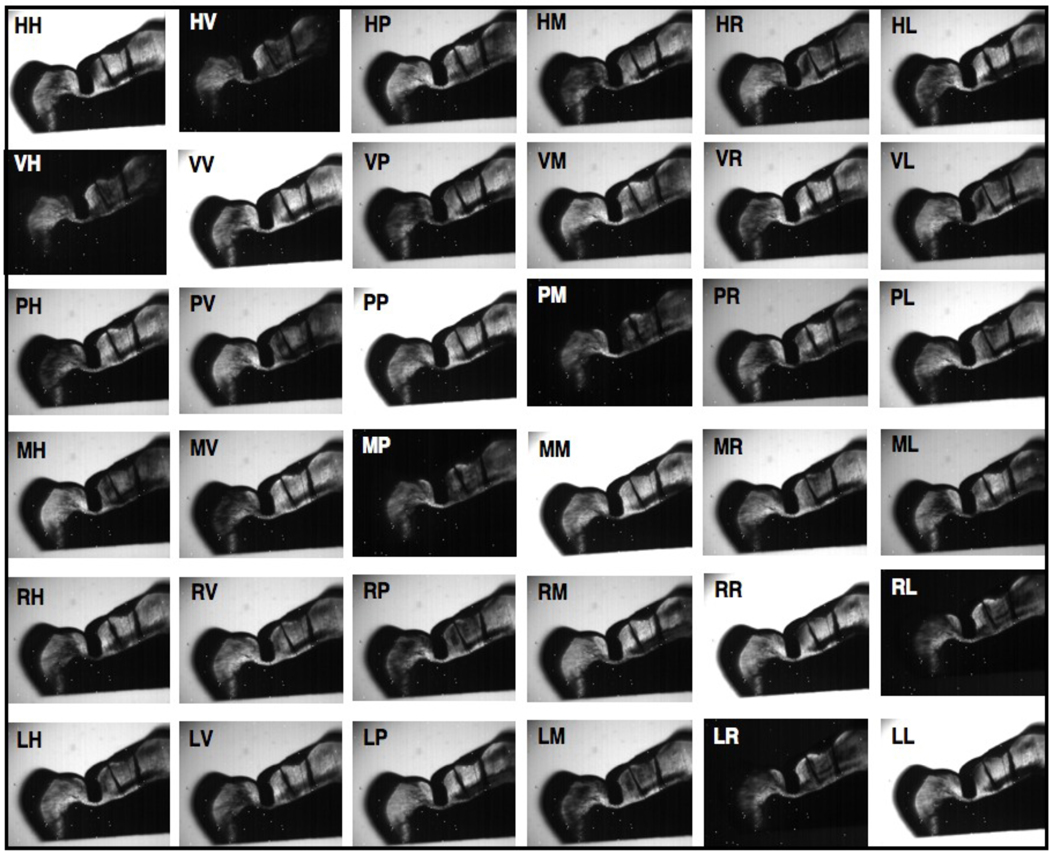
A thorough understanding of how polarized near-IR light propagates through sound and carious dental hard tissues is important for the development of dental optical imaging systems. New optical imaging tools for the detection and assessment of dental caries (dental decay) such as near-IR imaging and optical coherence tomography can exploit the enhanced contrast provided by polarization sensitivity. In this investigation, an automated system was developed to collect images for the full 16-element Mueller Matrix. The polarized light was controlled by linear polarizers and liquid crystal retarders and the 36 images were acquired as the polarized near-IR light propagates through the enamel of extracted human thin tooth sections. In previous work, we reported that polarized light is rapidly depolarized by demineralized enamel, and sound and demineralized dentin.(1) The rapid depolarization of polarized light by dental caries in the near-IR provides high contrast for caries imaging and detection. In this initial study, major differences in the Mueller matrix elements were observed in both sound and demineralized enamel which supports this approach and warrants further investigation.
深入了解偏振近红外光如何在健康和龋坏的牙齿硬组织中传播,对于牙科光学成像系统的发展至关重要。用于检测和评估龋齿(蛀牙)的新型光学成像工具,如近红外成像和光学相干断层扫描,可以利用偏振敏感性提供的增强对比度。在本研究中,开发了一种自动化系统来采集完整的16元素穆勒矩阵图像。偏振光由线性偏振器和液晶延迟器控制,在偏振近红外光穿过提取的人类薄牙切片的牙釉质时采集36幅图像。在之前的工作中,我们报道了偏振光会被脱矿牙釉质以及健康和脱矿牙本质迅速去偏振。(1)龋齿在近红外区域对偏振光的快速去偏振为龋齿成像和检测提供了高对比度。在这项初步研究中,在健康和脱矿牙釉质中均观察到穆勒矩阵元素的主要差异,这支持了该方法并值得进一步研究。