Department of Anesthesia, Critical Care, and Pain Medicine, Massachusetts General Hospital, Boston, MA, USA.
Transfusion. 2012 Jul;52(7):1410-22. doi: 10.1111/j.1537-2995.2011.03473.x. Epub 2012 Jan 10.
Stored red blood cells (RBCs) undergo progressive deleterious functional, biochemical, and structural changes. The mechanisms responsible for the adverse effects of transfusing stored RBCs remain incompletely elucidated.
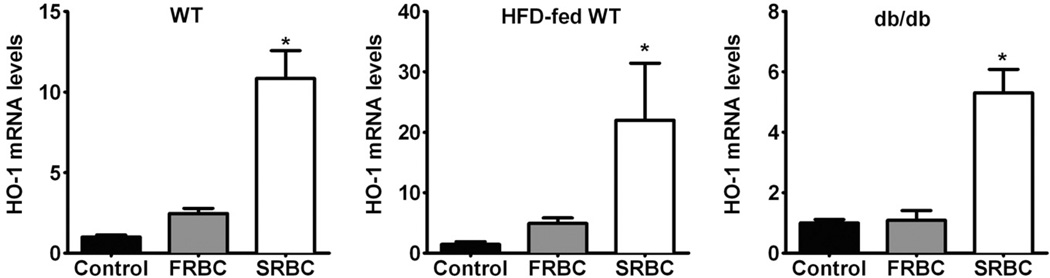
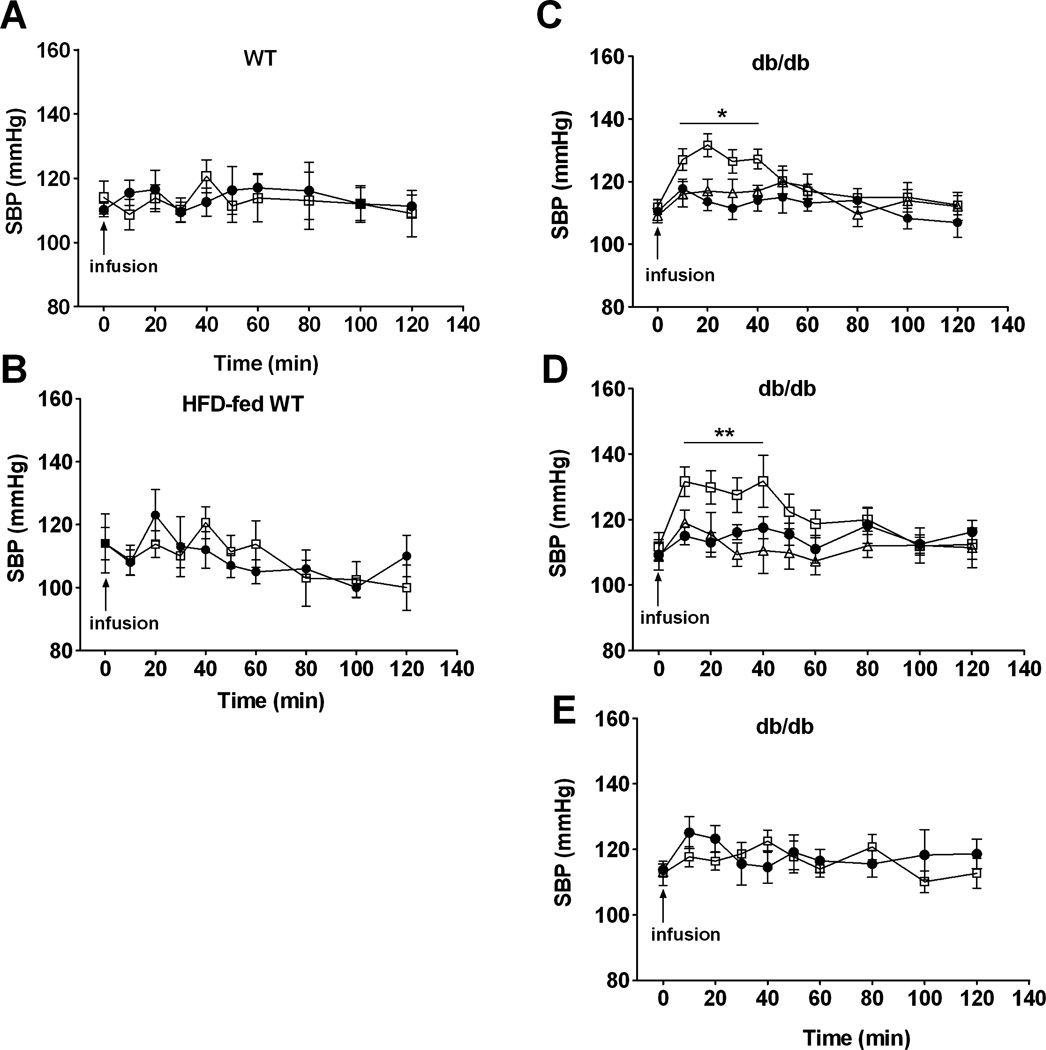
Awake wild-type (WT) mice, WT mice fed a high-fat diet (HFD-fed WT) for 4 to 6 weeks, and diabetic (db/db) mice were transfused with syngeneic leukoreduced RBCs or supernatant with or without oxidation (10% of total blood volume) after storage for not more than 24 hours (FRBCs) or 2 weeks (SRBCs). Inhaled nitric oxide (NO) at 80 parts per million was administered to a group of mice transfused with SRBCs. Blood and tissue samples were collected 2 hours after transfusion to measure iron and cytokine levels.
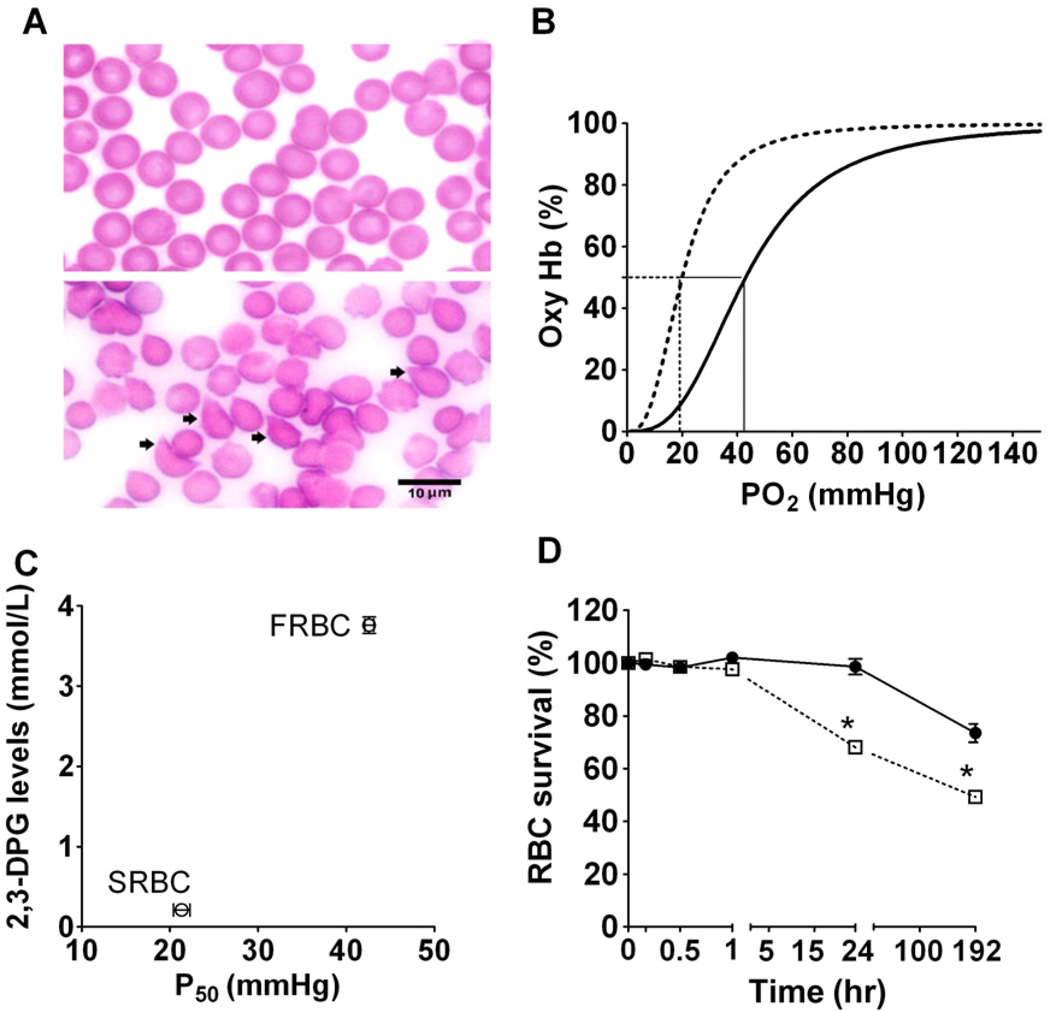
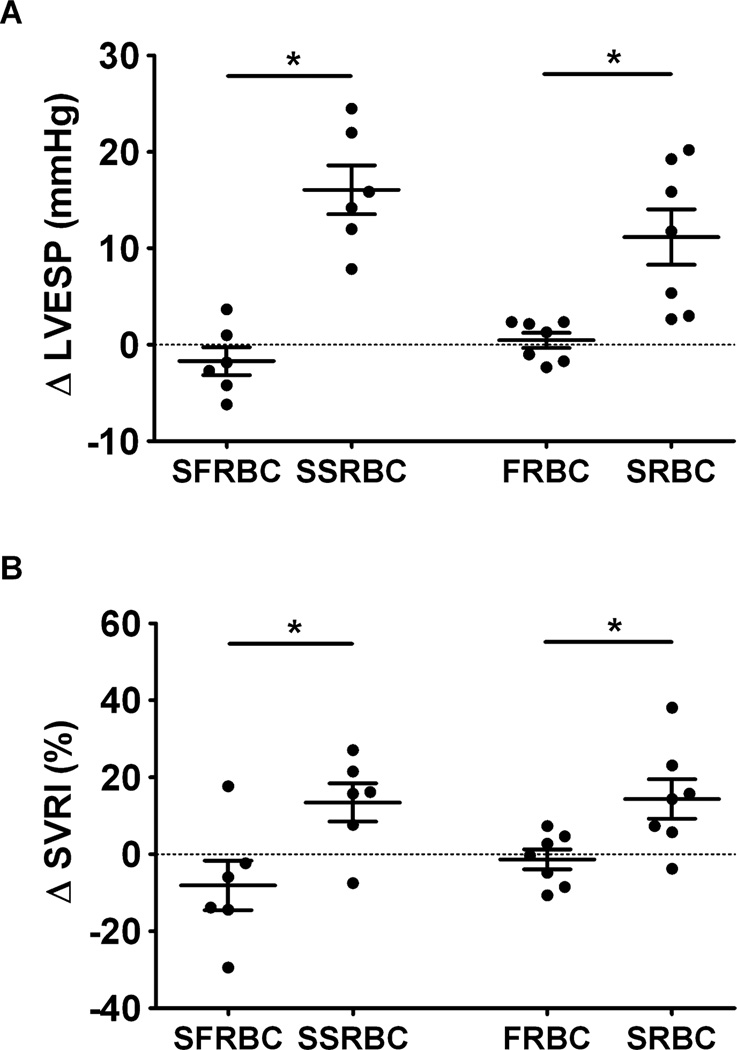
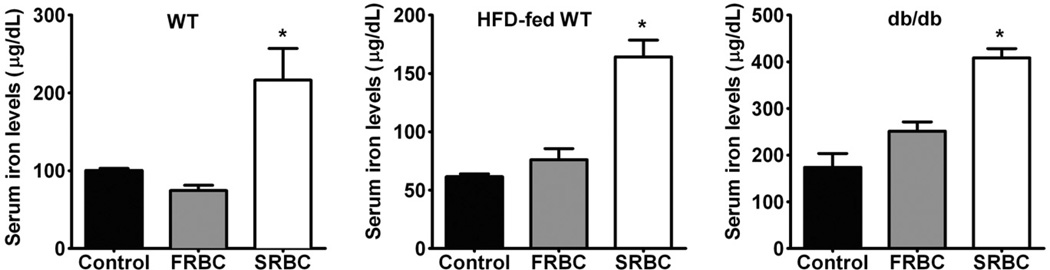
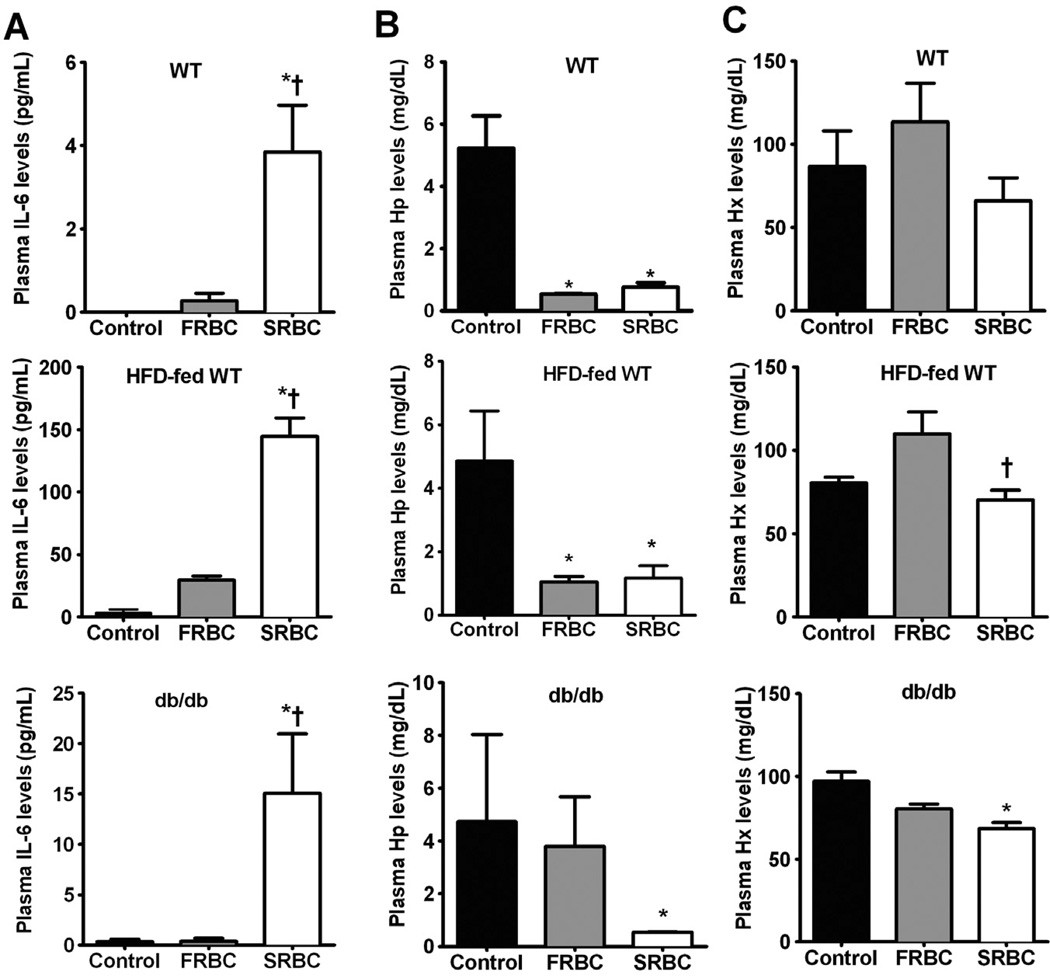
SRBCs had altered RBC morphology and a reduced P(50) . Transfusion of SRBCs into WT or HFD-fed WT mice did not produce systemic hemodynamic changes. In contrast, transfusion of SRBCs or supernatant from SRBCs into db/db mice induced systemic hypertension that was prevented by concurrent inhalation of NO. Infusion of washed SRBCs or oxidized SRBC supernatant into db/db mice did not induce hypertension. Two hours after SRBC transfusion, plasma hemoglobin (Hb), interleukin-6, and serum iron levels were increased.
Transfusion of syngeneic SRBCs or the supernatant from SRBCs produces systemic hypertension and vasoconstriction in db/db mice. It is likely that RBC storage, by causing in vitro hemolysis and posttransfusion hemoglobinemia, produces sustained NO scavenging and vasoconstriction in mice with endothelial dysfunction. Vasoconstriction is prevented by oxidizing the supernatant of SRBCs or breathing NO during SRBC transfusion.
储存的红细胞(RBC)会经历渐进性的有害功能、生化和结构变化。导致输注储存 RBC 产生不良反应的机制仍不完全清楚。
清醒的野生型(WT)小鼠、4 至 6 周高脂饮食喂养的 WT 小鼠(HFD-fed WT)和糖尿病(db/db)小鼠输注同种异体白细胞减少的 RBC 或储存不超过 24 小时(FRBCs)或 2 周(SRBCs)的 RBC 上清液(用或不用氧化处理,占总血量的 10%)。一组输注 SRBC 的小鼠给予 80 ppm 吸入一氧化氮(NO)。输血后 2 小时采集血液和组织样本,测量铁和细胞因子水平。
SRBC 具有改变的 RBC 形态和降低的 P(50)。输注 SRBC 到 WT 或 HFD-fed WT 小鼠不会引起全身血流动力学变化。相反,输注 SRBC 或 SRBC 上清液到 db/db 小鼠会引起全身高血压,而同时吸入 NO 可预防这种高血压。输注洗涤后的 SRBC 或氧化的 SRBC 上清液到 db/db 小鼠不会引起高血压。SRBC 输血后 2 小时,血浆血红蛋白(Hb)、白细胞介素-6 和血清铁水平升高。
输注同种异体 SRBC 或 SRBC 上清液会在 db/db 小鼠中引起全身高血压和血管收缩。可能是 RBC 储存通过体外溶血和输血后血红蛋白血症导致持续的 NO 清除和内皮功能障碍小鼠的血管收缩。通过氧化 SRBC 的上清液或在 SRBC 输血期间呼吸 NO,可以预防血管收缩。