Faculty of Medicine, University of Alberta, 2935-66 Street, Edmonton, AB, Canada T6K 4C1.
J Environ Public Health. 2012;2012:605137. doi: 10.1155/2012/605137. Epub 2011 Oct 24.
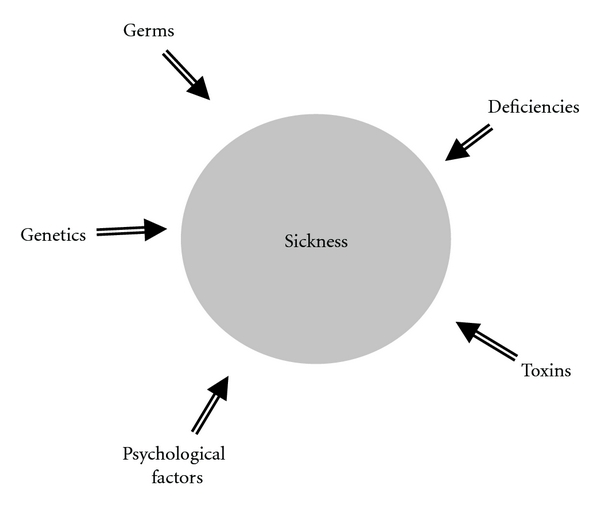
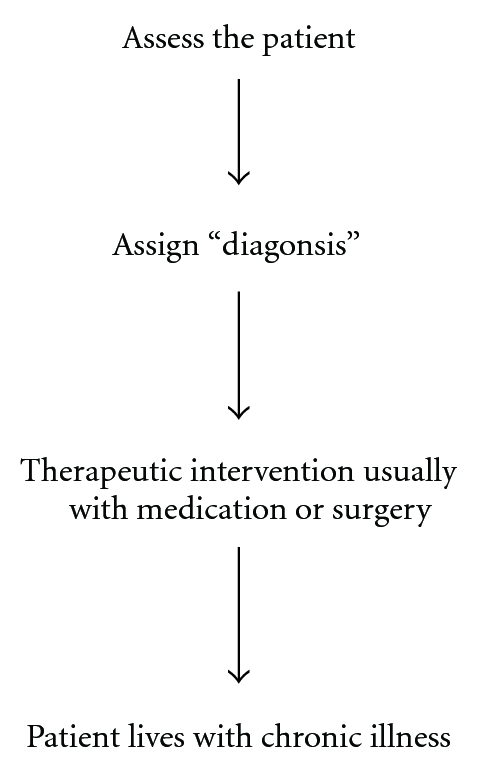
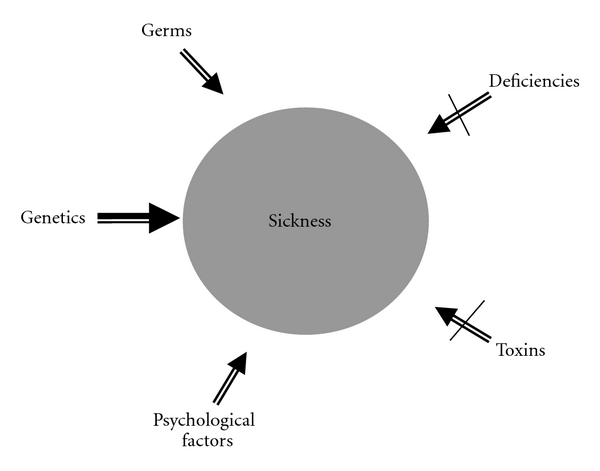
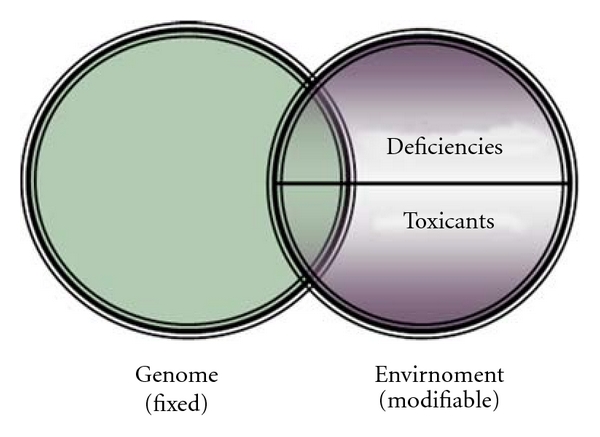
Throughout the continuum of medical and scientific history, repeated evidence has confirmed that the main etiological determinants of disease are nutritional deficiency, toxicant exposures, genetic predisposition, infectious agents, and psychological dysfunction. Contemporary conventional medicine generally operates within a genetic predestination paradigm, attributing most chronic and degenerative illness to genomic factors, while incorporating pathogens and psychological disorder in specific situations. Toxicity and deficiency states often receive insufficient attention as common source causes of chronic disease in the developed world. Recent scientific evidence in health disciplines including molecular medicine, epigenetics, and environmental health sciences, however, reveal ineluctable evidence that deficiency and toxicity states feature prominently as common etiological determinants of contemporary ill-health. Incorporating evidence from historical and emerging science, it is evident that a reevaluation of conventional wisdom on the current construct of disease origins should be considered and that new knowledge should receive expeditious translation into clinical strategies for disease management and health promotion. An analysis of almost any scientific problem leads automatically to a study of its history.--Ernst Mayr.
纵观医学和科学史的发展,不断有证据证实,疾病的主要病因包括营养缺乏、毒物暴露、遗传易感性、感染因子和心理功能障碍。当代常规医学通常在基因决定论范式下运作,将大多数慢性和退行性疾病归因于基因组因素,同时在特定情况下将病原体和心理障碍纳入考虑。在发达国家,毒性和营养缺乏状态往往被忽视,它们是导致慢性疾病的常见根源。然而,健康学科的最新科学证据,包括分子医学、表观遗传学和环境卫生科学,揭示了不可避免的证据,即营养缺乏和毒性状态是当代健康不良的常见病因。从历史和新兴科学的证据来看,应该考虑对当前疾病起源概念的传统观念进行重新评估,并且新知识应该迅速转化为疾病管理和健康促进的临床策略。对几乎任何科学问题的分析都会自动导致对其历史的研究。——恩斯特·迈尔。