Department of Health Policy and Management, Johns Hopkins Bloomberg School of Public Health, 624 North Broadway, Baltimore, Maryland, USA.
Int J Equity Health. 2012 Jan 20;11:2. doi: 10.1186/1475-9276-11-2.
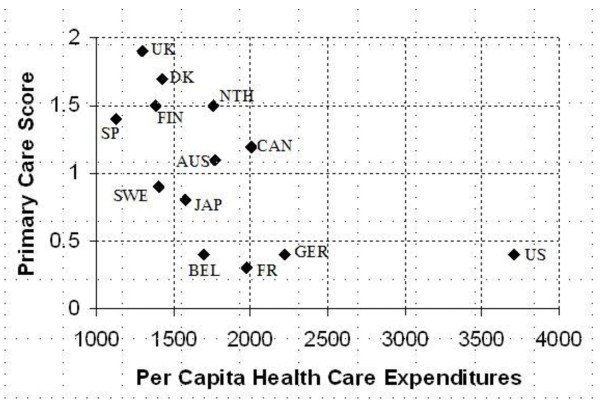
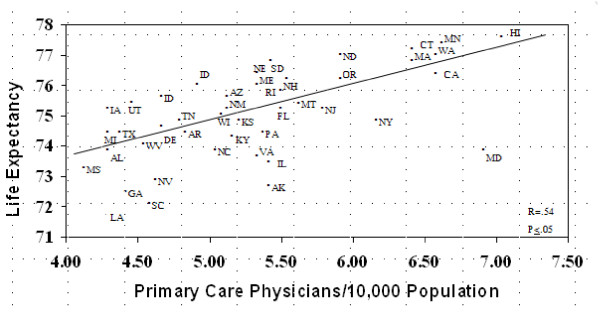
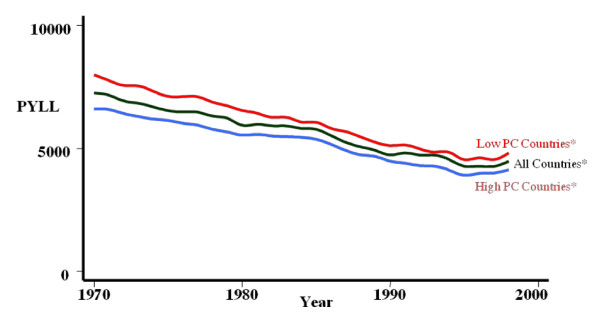
China is a country with vast regional differences and uneven economic development, which have led to widening gaps between the rich and poor in terms of access to healthcare, quality of care, and health outcomes. China's healthcare reform efforts must be tailored to the needs and resources of each region and community. Building and strengthening primary care within the Chinese health care system is one way to effectively address health challenges. This paper begins by outlining the concept of primary care, including key definitions and measurements. Next, results from a number of studies will demonstrate that primary care characteristics are associated with savings in medical costs, improvements in health outcomes and reductions in health disparities. This paper concludes with recommendations for China on successfully incorporating a primary care model into its national health policy, including bolstering the primary care workforce, addressing medical financing structures, recognizing the importance of evidence-based medicine, and looking to case studies from countries that have successfully implemented health reform.
中国是一个地域差异巨大、经济发展不均衡的国家,这导致在获得医疗保健、医疗质量和健康结果方面贫富差距扩大。中国的医疗改革努力必须针对每个地区和社区的需求和资源进行调整。在中国医疗保健系统中建立和加强基层医疗保健是有效应对健康挑战的一种方式。本文首先概述了基层医疗保健的概念,包括关键定义和衡量标准。接下来,多项研究的结果将表明,基层医疗保健的特点与医疗成本的节约、健康结果的改善和健康差距的缩小有关。本文最后就中国成功将基层医疗模式纳入国家卫生政策提出了建议,包括加强基层医疗保健队伍建设、解决医疗融资结构问题、认识循证医学的重要性以及借鉴已经成功实施卫生改革的国家的案例研究。