Singhania Rohit, Kotler Donald P
Department of Medicine, St Luke's- Roosevelt Hospital Center, New York, NY, USA.
HIV AIDS (Auckl). 2011;3:135-43. doi: 10.2147/HIV.S14562. Epub 2011 Dec 14.
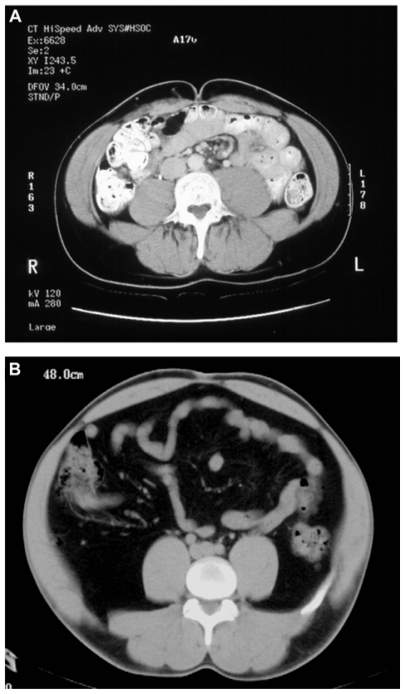
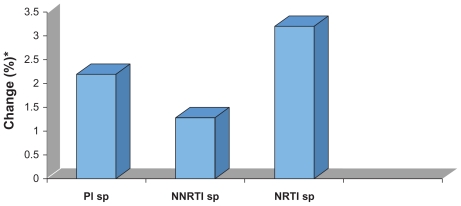
HIV-associated lipodystrophy is a term used to describe a constellation of body composition (lipoatrophy and lipohypertrophy) and metabolic (dyslipidemia and insulin resistance) alterations that accompany highly active antiretroviral therapy. These changes, which resemble metabolic syndrome, have been associated with a variety of adverse outcomes including accelerated cardiovascular disease. The body composition and metabolic changes appear to cluster in HIV infection, although they are distinct alterations and do not necessarily coexist. Epidemiological studies have demonstrated multiple pathogenic influences associated with host, disease, and treatment-related factors. The adverse treatment effects were more prominent in early regimens; continued drug development has led to the application of metabolically safer regimens with equal or greater potency than the regimens being replaced. Disease-related factors include HIV infection as well as inflammation, immune activation, and immune depletion. The body composition changes promote anxiety and depression in patients and may affect treatment adherence. Treatment of dyslipidemia and alterations in glucose metabolism is the same as in non-HIV-infected individuals. Lipoatrophy is managed by strategic choice of antivirals or by antiviral switching, and in some cases by plastic/reconstructive surgery. Lipohypertrophy has been managed mainly by lifestyle modification, ie, a hypocaloric diet and increased exercise. A growth hormone releasing factor, which reduces central fat, has recently become available for clinical use.
HIV 相关脂肪代谢障碍是一个术语,用于描述伴随高效抗逆转录病毒治疗出现的一系列身体成分改变(脂肪萎缩和脂肪肥大)以及代谢改变(血脂异常和胰岛素抵抗)。这些类似于代谢综合征的变化与包括心血管疾病加速在内的多种不良后果相关。身体成分和代谢变化在 HIV 感染中似乎聚集出现,尽管它们是不同的改变,不一定同时存在。流行病学研究已经证明了与宿主、疾病及治疗相关因素有关的多种致病影响。早期治疗方案的不良治疗效果更为突出;持续的药物研发导致了应用代谢更安全的方案,其效力与被替代的方案相同或更高。与疾病相关的因素包括 HIV 感染以及炎症、免疫激活和免疫耗竭。身体成分的变化会导致患者焦虑和抑郁,可能影响治疗依从性。血脂异常和葡萄糖代谢改变的治疗与未感染 HIV 的个体相同。脂肪萎缩通过抗病毒药物的策略性选择或抗病毒药物转换来处理,在某些情况下通过整形/重建手术处理。脂肪肥大主要通过生活方式改变来处理,即低热量饮食和增加运动。一种可减少腹部脂肪的生长激素释放因子最近已可供临床使用。