Instituto de Investigación en Informática de Albacete, 02071-Albacete, Spain; E-Mails:
Sensors (Basel). 2009;9(12):10044-65. doi: 10.3390/s91210044. Epub 2009 Dec 10.
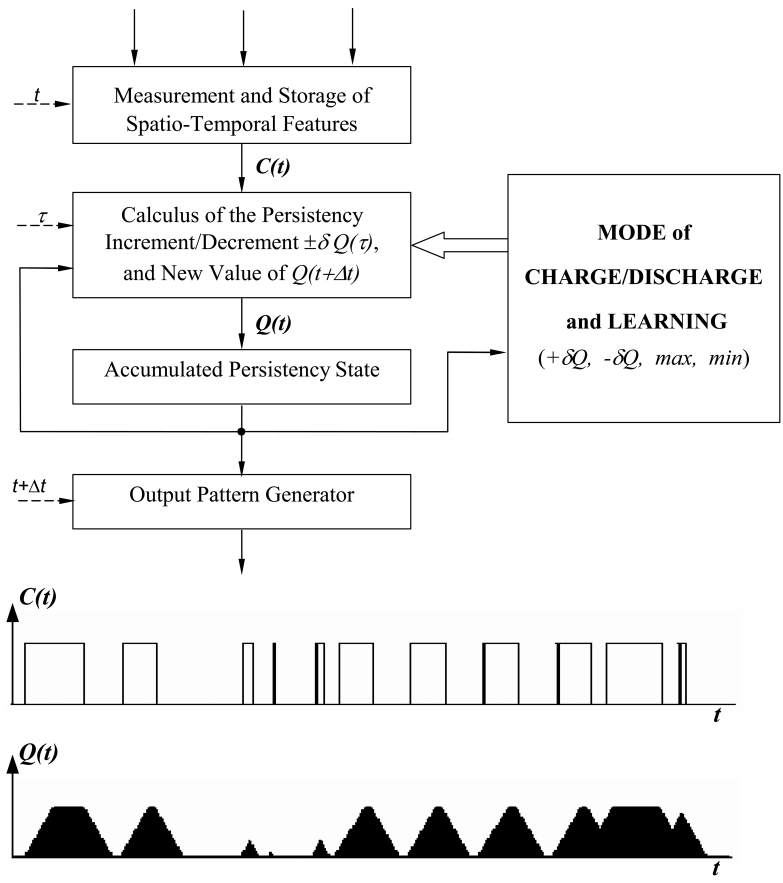
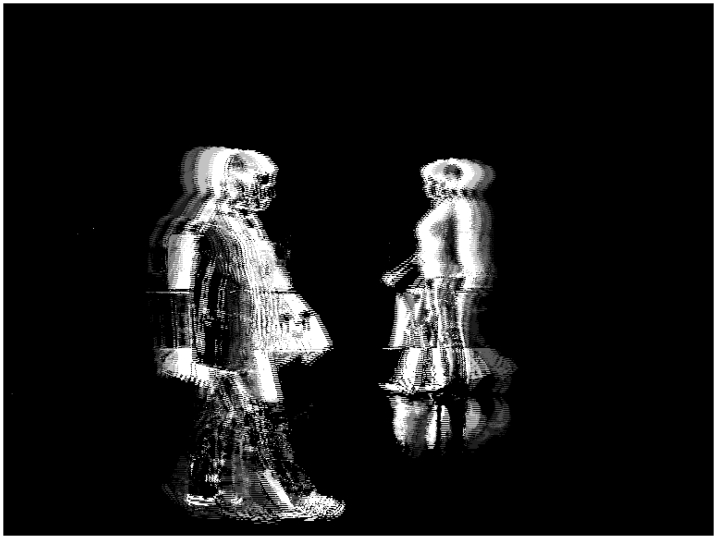
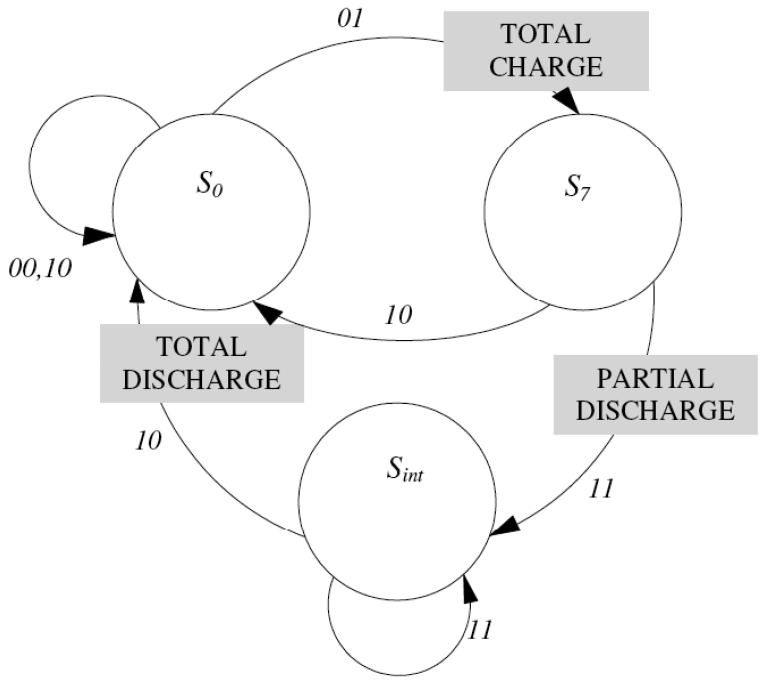
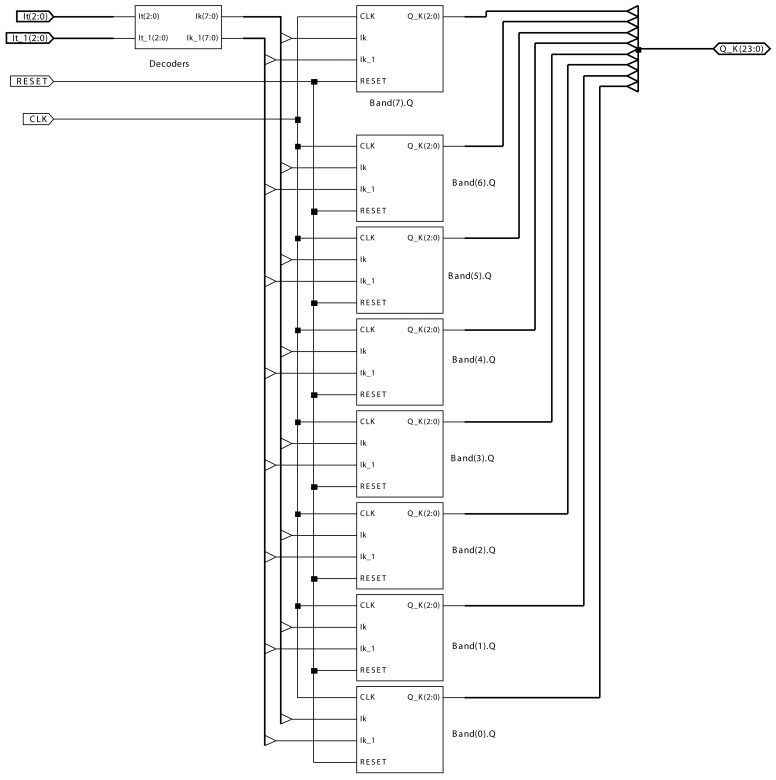
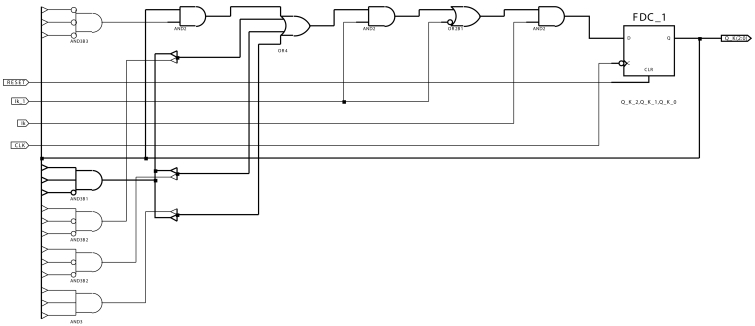
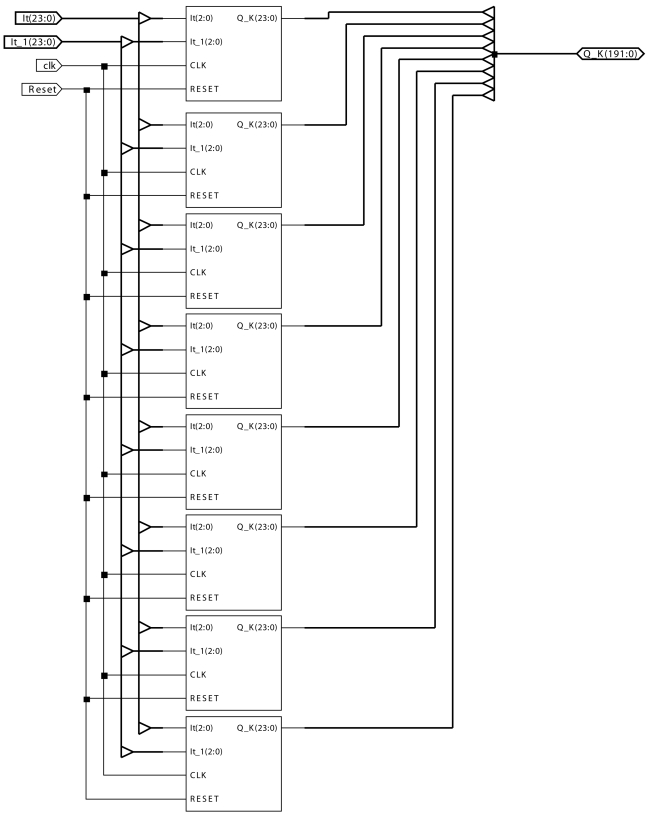
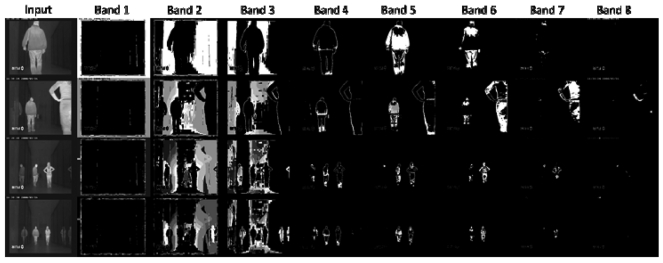
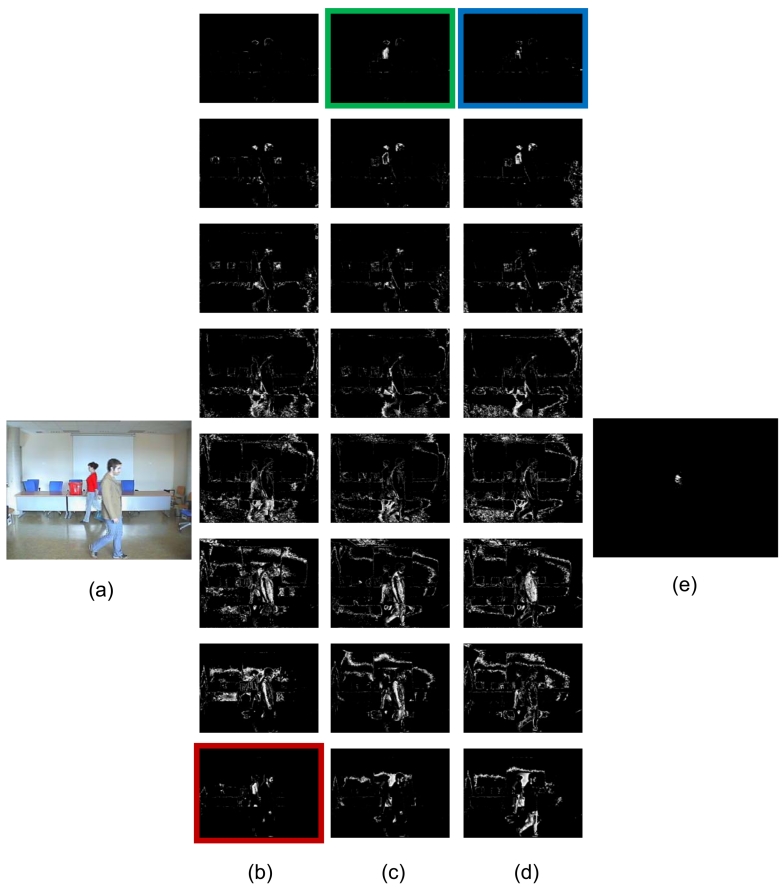
The neurally inspired accumulative computation (AC) method and its application to motion detection have been introduced in the past years. This paper revisits the fact that many researchers have explored the relationship between neural networks and finite state machines. Indeed, finite state machines constitute the best characterized computational model, whereas artificial neural networks have become a very successful tool for modeling and problem solving. The article shows how to reach real-time performance after using a model described as a finite state machine. This paper introduces two steps towards that direction: (a) A simplification of the general AC method is performed by formally transforming it into a finite state machine. (b) A hardware implementation in FPGA of such a designed AC module, as well as an 8-AC motion detector, providing promising performance results. We also offer two case studies of the use of AC motion detectors in surveillance applications, namely infrared-based people segmentation and color-based people tracking, respectively.
过去几年中,人们已经介绍了受神经启发的累积计算 (AC) 方法及其在运动检测中的应用。本文重新探讨了许多研究人员已经探索神经网络和有限状态机之间关系的事实。事实上,有限状态机构成了最具特色的计算模型,而人工神经网络已成为建模和解决问题的非常成功的工具。本文展示了在使用被描述为有限状态机的模型后如何达到实时性能。本文朝着这个方向介绍了两个步骤:(a) 通过将其正式转换为有限状态机,对通用 AC 方法进行简化。(b) 在 FPGA 中对这种设计的 AC 模块进行硬件实现,以及设计的 8-AC 运动检测器,提供了有前途的性能结果。我们还提供了 AC 运动检测器在监控应用中的两个使用案例研究,分别是基于红外的人体分割和基于颜色的人体跟踪。