Department of Cardiovascular Medicine, University of Oxford, John Radcliffe Hospital, Oxford, UK.
Circulation. 2012 Mar 20;125(11):1356-66. doi: 10.1161/CIRCULATIONAHA.111.038919. Epub 2012 Feb 7.
The endothelial nitric oxide synthase cofactor tetrahydrobiopterin (BH4) plays a pivotal role in maintaining endothelial function in experimental vascular disease models and in humans. Augmentation of endogenous BH4 levels by oral BH4 treatment has been proposed as a potential therapeutic strategy in vascular disease states. We sought to determine the mechanisms relating exogenous BH4 to human vascular function and to determine oral BH4 pharmacokinetics in both plasma and vascular tissue in patients with coronary artery disease.
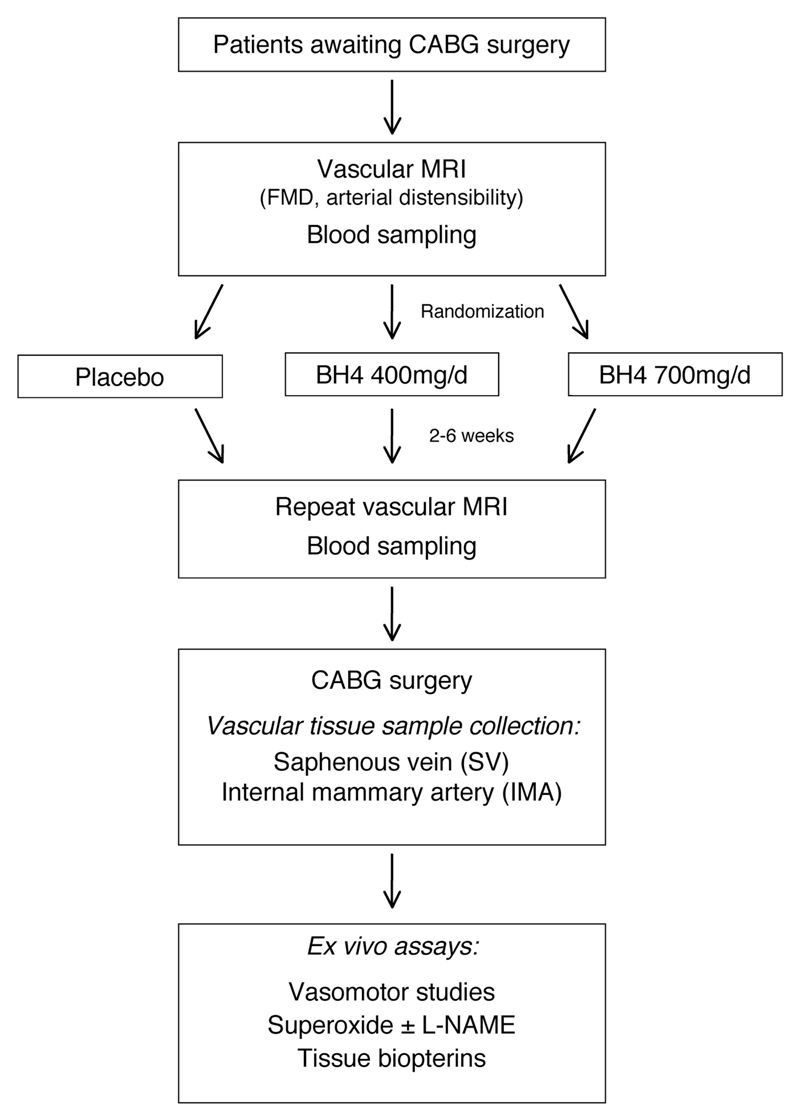
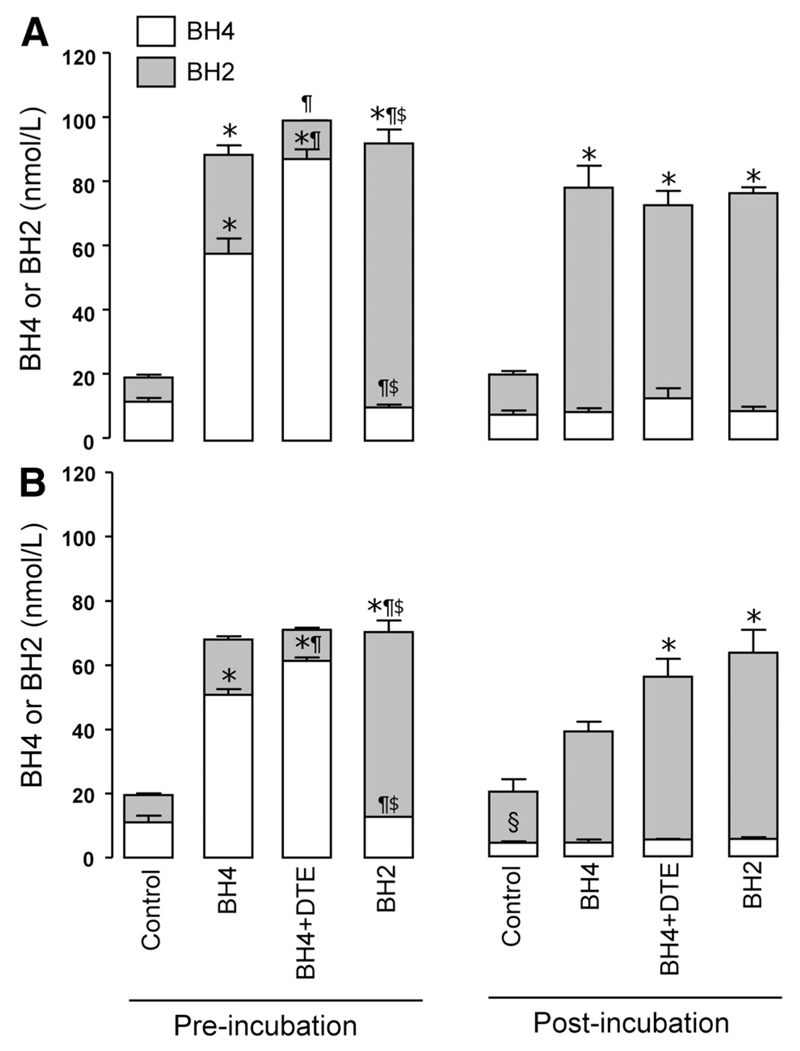
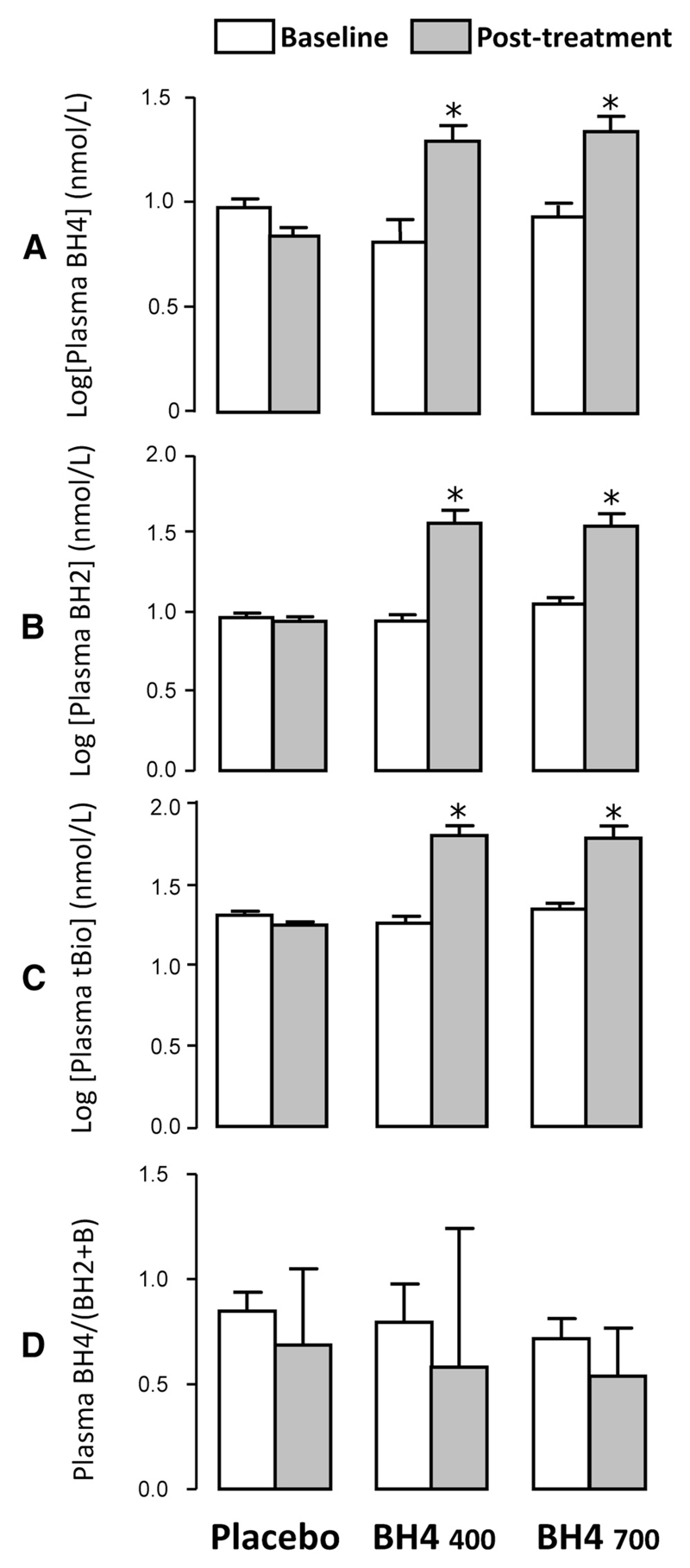
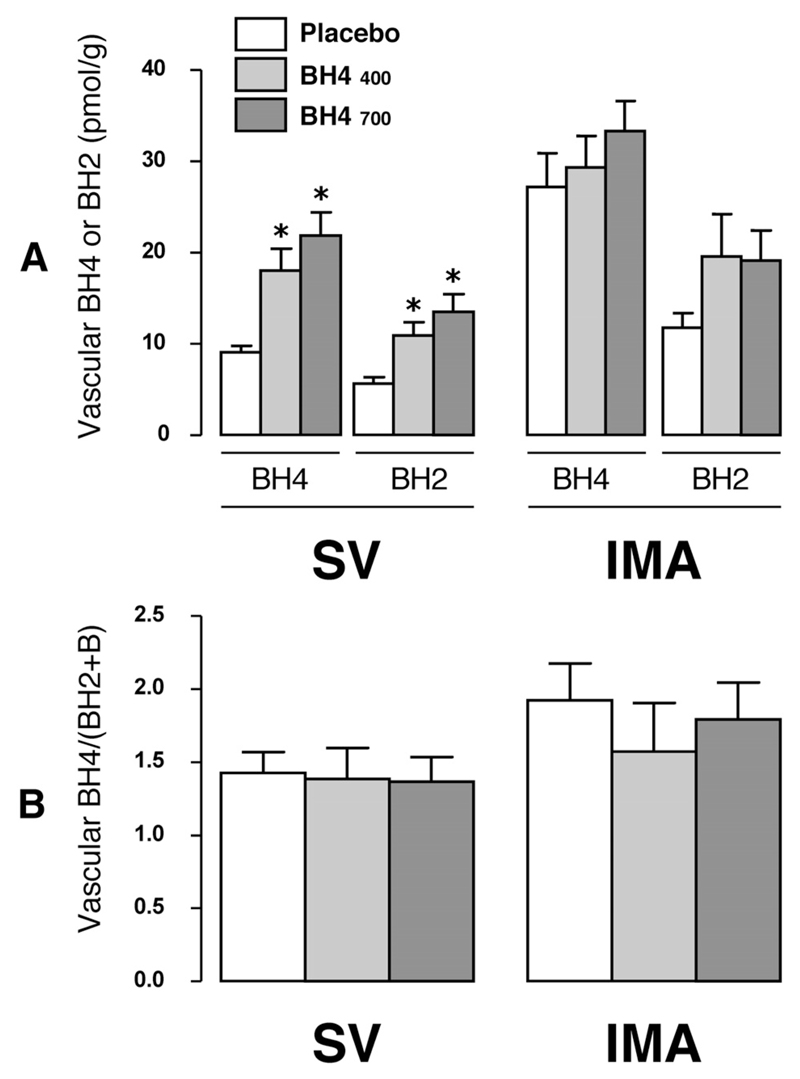
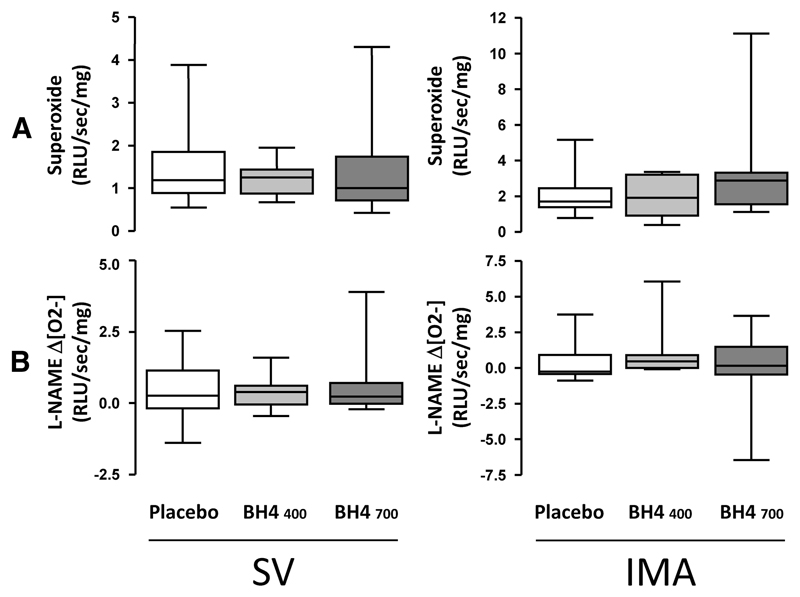
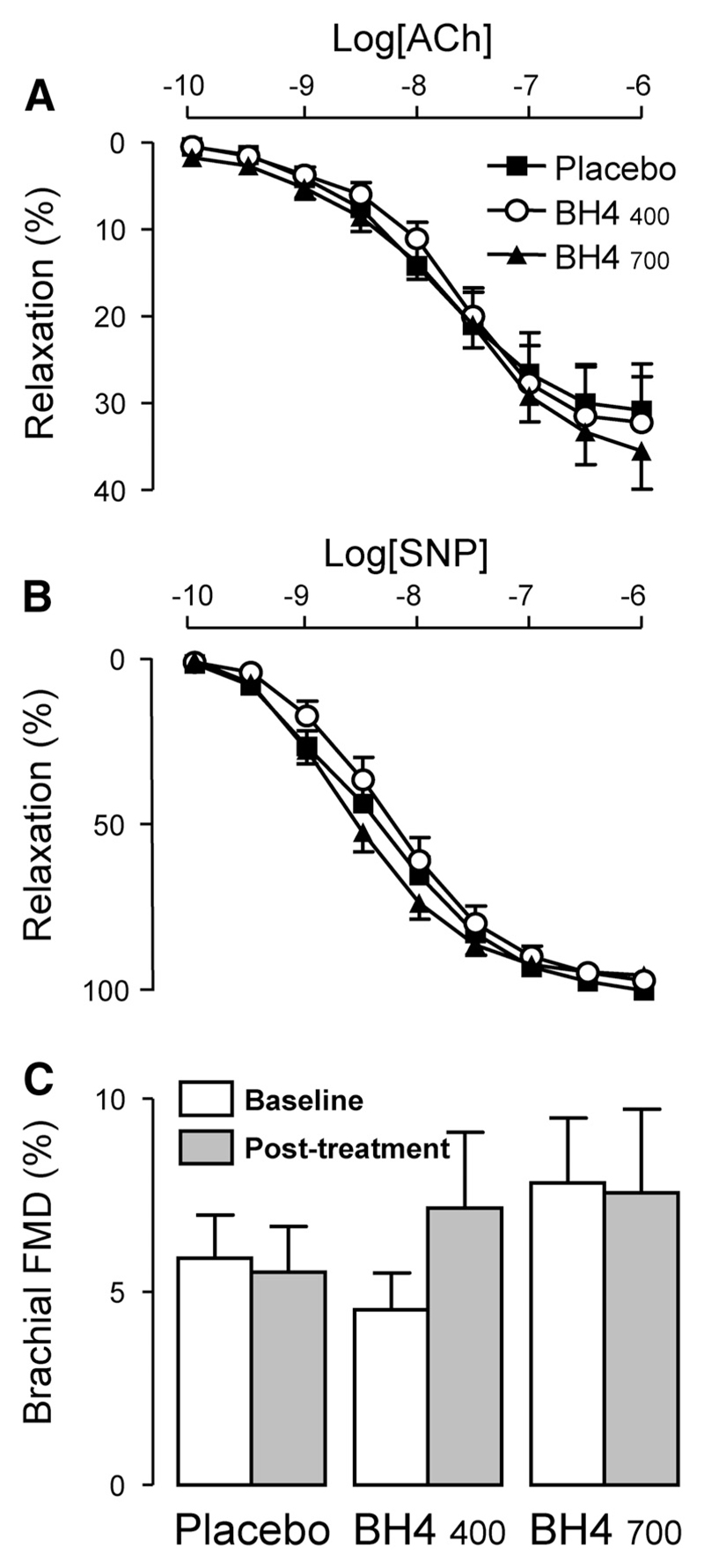
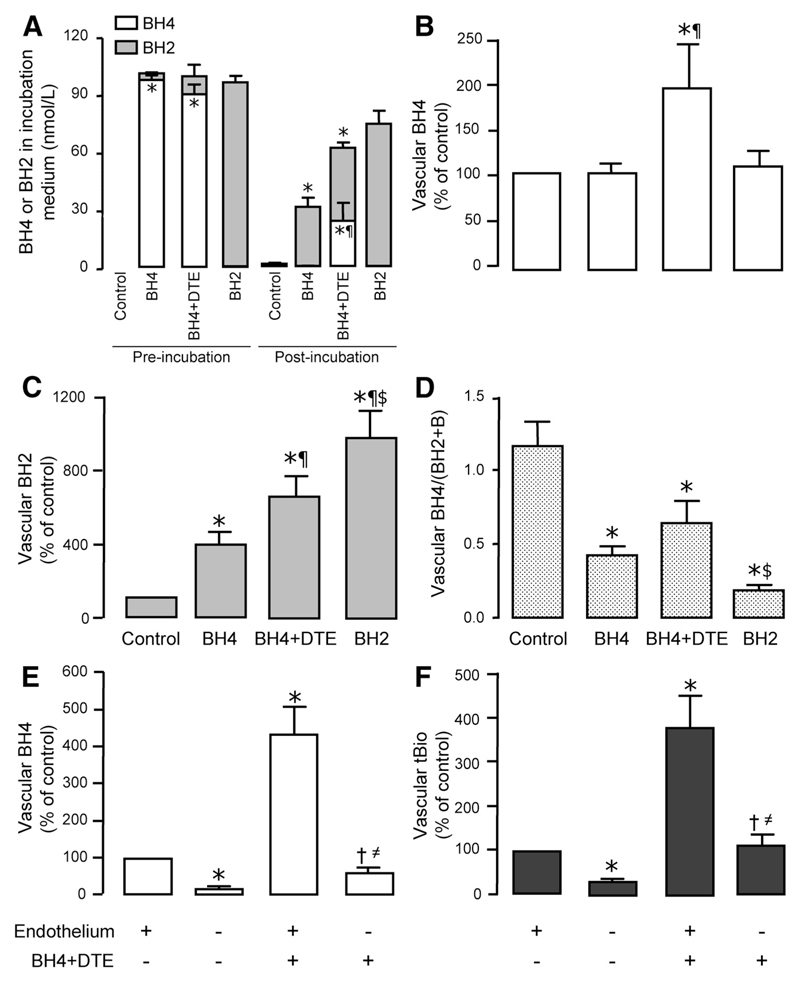
Forty-nine patients with coronary artery disease were randomized to receive low-dose (400 mg/d) or high-dose (700 mg/d) BH4 or placebo for 2 to 6 weeks before coronary artery bypass surgery. Vascular function was quantified by magnetic resonance imaging before and after treatment, along with plasma BH4 levels. Vascular superoxide, endothelial function, and BH4 levels were determined in segments of saphenous vein and internal mammary artery. Oral BH4 treatment significantly augmented BH4 levels in plasma and in saphenous vein (but not internal mammary artery) but also increased levels of the oxidation product dihydrobiopterin (BH2), which lacks endothelial nitric oxide synthase cofactor activity. There was no effect of BH4 treatment on vascular function or superoxide production. Supplementation of human vessels and blood with BH4 ex vivo revealed rapid oxidation of BH4 to BH2 with predominant BH2 uptake by vascular tissue.
Oral BH4 treatment augments total biopterin levels in patients with established coronary artery disease but has no net effect on vascular redox state or endothelial function owing to systemic and vascular oxidation of BH4. Alternative strategies are required to target BH4-dependent endothelial function in established vascular disease states.
内皮型一氧化氮合酶辅因子四氢生物蝶呤(BH4)在维持实验性血管疾病模型和人类的内皮功能方面起着关键作用。通过口服 BH4 治疗来增加内源性 BH4 水平已被提出作为血管疾病状态的一种潜在治疗策略。我们试图确定外源性 BH4 与人类血管功能的关系,并确定冠心病患者血浆和血管组织中口服 BH4 的药代动力学。
49 例冠心病患者被随机分为低剂量(400mg/d)、高剂量(700mg/d)BH4 或安慰剂组,在冠状动脉旁路手术后 2-6 周内接受治疗。治疗前后通过磁共振成像定量血管功能,并测定血浆 BH4 水平。测定大隐静脉和内乳动脉节段的血管超氧化物、内皮功能和 BH4 水平。口服 BH4 治疗可显著增加血浆和大隐静脉(但不包括内乳动脉)中的 BH4 水平,但也增加了缺乏内皮型一氧化氮合酶辅因子活性的氧化产物二氢生物蝶呤(BH2)的水平。BH4 治疗对血管功能或超氧化物生成没有影响。BH4 体外补充人血管和血液后,BH4 迅速氧化为 BH2,而 BH2 主要被血管组织摄取。
口服 BH4 治疗可增加已确诊冠心病患者的总生物蝶呤水平,但由于 BH4 的全身和血管氧化,对血管氧化还原状态或内皮功能没有净效应。需要寻找替代策略来靶向已建立的血管疾病状态中的 BH4 依赖性内皮功能。