• 文献检索
  • 文档翻译
  • 深度研究
  • 学术资讯
  • Suppr Zotero 插件Zotero 插件
  • 邀请有礼
  • 套餐&价格
  • 历史记录
应用&插件
Suppr Zotero 插件Zotero 插件浏览器插件Mac 客户端Windows 客户端微信小程序
定价
高级版会员购买积分包购买API积分包
服务
文献检索文档翻译深度研究API 文档MCP 服务
关于我们
关于 Suppr公司介绍联系我们用户协议隐私条款
关注我们

Suppr 超能文献

核心技术专利:CN118964589B侵权必究
粤ICP备2023148730 号-1Suppr @ 2026

文献检索

告别复杂PubMed语法,用中文像聊天一样搜索,搜遍4000万医学文献。AI智能推荐,让科研检索更轻松。

立即免费搜索

文件翻译

保留排版,准确专业,支持PDF/Word/PPT等文件格式,支持 12+语言互译。

免费翻译文档

深度研究

AI帮你快速写综述,25分钟生成高质量综述,智能提取关键信息,辅助科研写作。

立即免费体验

无线传感器网络的节能效果:以台湾便利店为例的研究

Energy saving effects of wireless sensor networks: a case study of convenience stores in Taiwan.

机构信息

Graduate Institute of Mechanical and Electrical Engineering, National Taipei University of Technology, No.1, Sec. 3, Zhongxiao E. Rd., Taipei City, 106, Taiwan.

出版信息

Sensors (Basel). 2011;11(2):2013-34. doi: 10.3390/s110202013. Epub 2011 Feb 10.

DOI:10.3390/s110202013
PMID:22319396
原文链接:https://pmc.ncbi.nlm.nih.gov/articles/PMC3274040/
Abstract

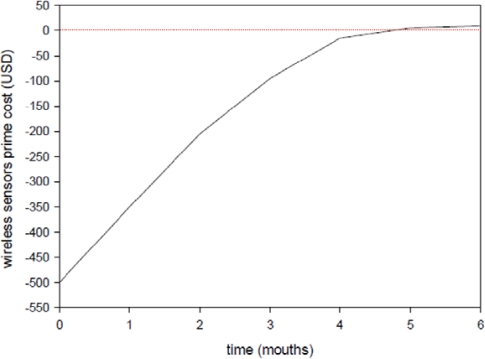
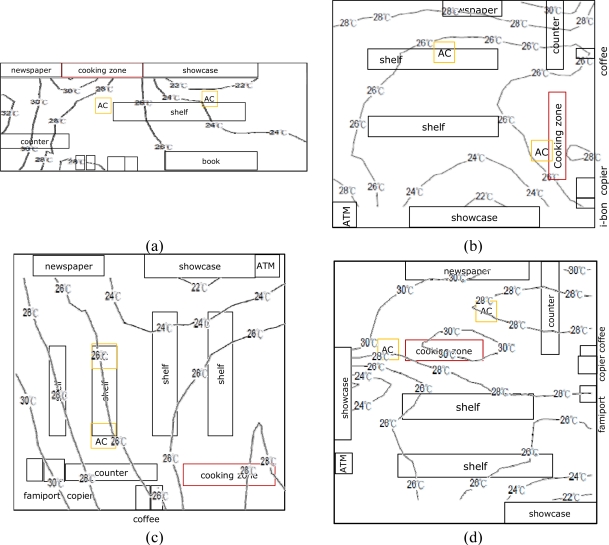
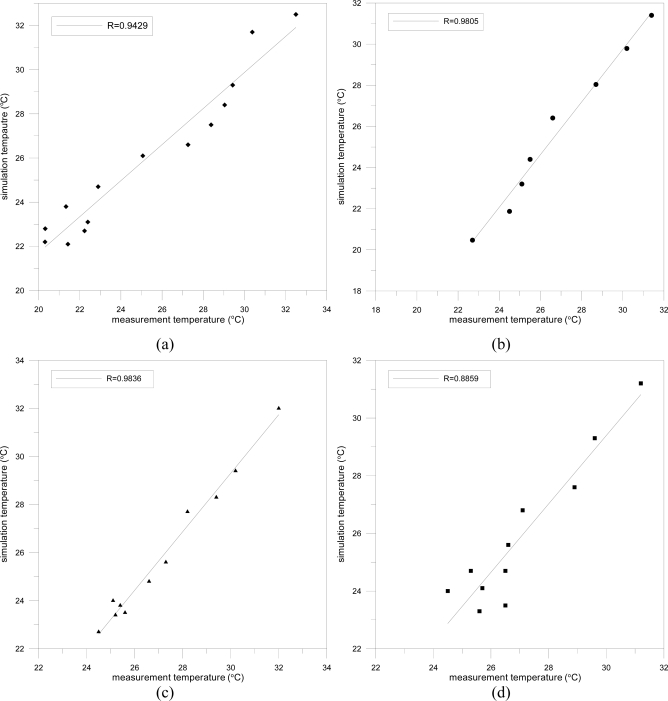
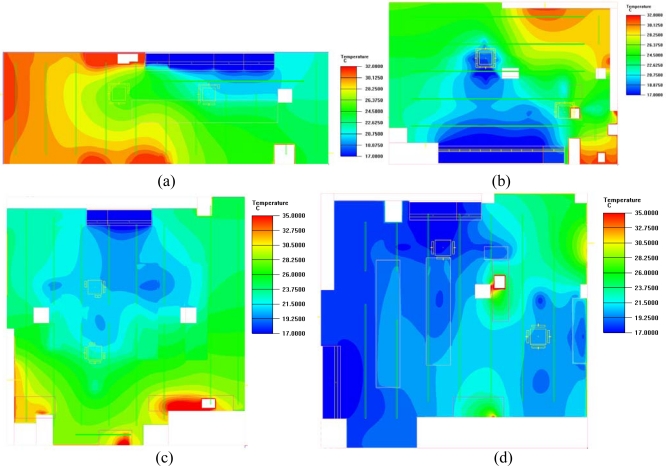
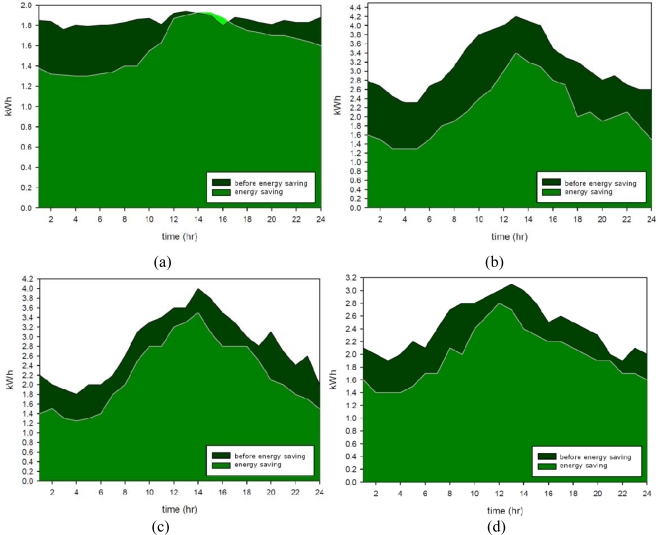
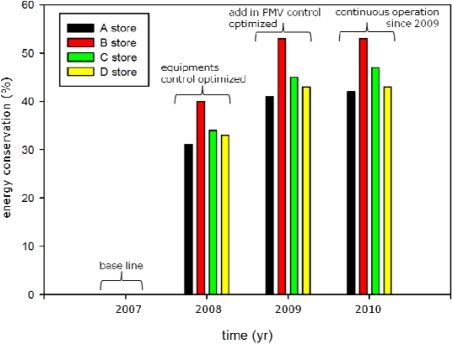
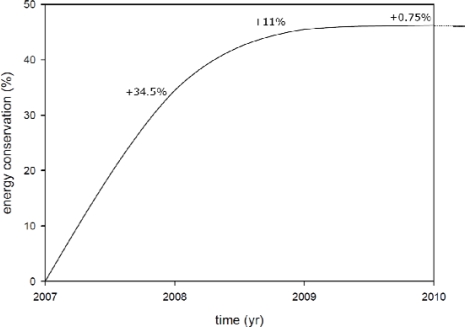
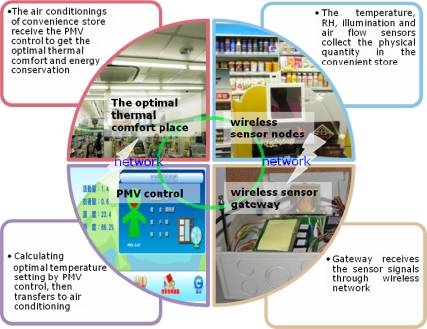
Wireless sensor network (WSN) technology has been successfully applied to energy saving applications in many places, and plays a significant role in achieving power conservation. However, previous studies do not discuss WSN costs and cost-recovery. The application of WSNs is currently limited to research and laboratory experiments, and not mass industrial production, largely because business owners are unfamiliar with the possible favorable return and cost-recovery on WSN investments. Therefore, this paper focuses on the cost-recovery of WSNs and how to reduce air conditioning energy consumption in convenience stores. The WSN used in this study provides feedback to the gateway and adopts the predicted mean vote (PMV) and computational fluid dynamics (CFD) methods to allow customers to shop in a comfortable yet energy-saving environment. Four convenience stores in Taipei have used the proposed WSN since 2008. In 2008, the experiment was initially designed to optimize air-conditioning for energy saving, but additions to the set-up continued beyond 2008, adding the thermal comfort and crowds peak, off-peak features in 2009 to achieve human-friendly energy savings. Comparison with 2007 data, under the same comfort conditions, shows that the power savings increased by 40% (2008) and 53% (2009), respectively. The cost of the WSN equipment was 500 US dollars. Experimental results, including three years of analysis and calculations, show that the marginal energy conservation benefit of the four convenience stores achieved energy savings of up to 53%, recovering all costs in approximately 5 months. The convenience store group participating in this study was satisfied with the efficiency of energy conservation because of the short cost-recovery period.

摘要

无线传感器网络 (WSN) 技术已成功应用于许多领域的节能应用,并在实现节能方面发挥了重要作用。然而,以前的研究并未讨论 WSN 的成本和成本回收。WSN 的应用目前仅限于研究和实验室实验,而不是大规模工业生产,主要是因为企业主不熟悉 WSN 投资的可能有利回报和成本回收。因此,本文专注于 WSN 的成本回收以及如何降低便利店的空调能耗。本研究中使用的 WSN 向网关提供反馈,并采用预测平均投票 (PMV) 和计算流体动力学 (CFD) 方法,使客户在舒适且节能的环境中购物。自 2008 年以来,台北的四家便利店已经使用了提出的 WSN。2008 年,该实验最初旨在优化空调以节省能源,但在 2008 年之后,继续增加设置,在 2009 年增加了热舒适和人群高峰、非高峰功能,以实现人性化的节能。与 2007 年的数据相比,在相同的舒适条件下,2008 年和 2009 年的电力节省分别增加了 40%和 53%。WSN 设备的成本为 500 美元。实验结果,包括三年的分析和计算,表明四家便利店的边际节能效益实现了高达 53%的节能,大约在 5 个月内收回了所有成本。参与这项研究的便利店集团对节能效率感到满意,因为成本回收期较短。
https://cdn.ncbi.nlm.nih.gov/pmc/blobs/09b1/3274040/e4a197a6fa60/sensors-11-02013f16.jpg
https://cdn.ncbi.nlm.nih.gov/pmc/blobs/09b1/3274040/5c159bd4c686/sensors-11-02013f1.jpg
https://cdn.ncbi.nlm.nih.gov/pmc/blobs/09b1/3274040/29a03e97bd37/sensors-11-02013f2.jpg
https://cdn.ncbi.nlm.nih.gov/pmc/blobs/09b1/3274040/7448382f8fbc/sensors-11-02013f3.jpg
https://cdn.ncbi.nlm.nih.gov/pmc/blobs/09b1/3274040/0b65cbf09a01/sensors-11-02013f4.jpg
https://cdn.ncbi.nlm.nih.gov/pmc/blobs/09b1/3274040/63947a1acb51/sensors-11-02013f5.jpg
https://cdn.ncbi.nlm.nih.gov/pmc/blobs/09b1/3274040/f57f49a5db3a/sensors-11-02013f6.jpg
https://cdn.ncbi.nlm.nih.gov/pmc/blobs/09b1/3274040/292f6d61f5b1/sensors-11-02013f7.jpg
https://cdn.ncbi.nlm.nih.gov/pmc/blobs/09b1/3274040/0802e797c603/sensors-11-02013f8a.jpg
https://cdn.ncbi.nlm.nih.gov/pmc/blobs/09b1/3274040/9b8e16d85a68/sensors-11-02013f9.jpg
https://cdn.ncbi.nlm.nih.gov/pmc/blobs/09b1/3274040/8651f4702ac5/sensors-11-02013f10a.jpg
https://cdn.ncbi.nlm.nih.gov/pmc/blobs/09b1/3274040/b19eee1c4a37/sensors-11-02013f11.jpg
https://cdn.ncbi.nlm.nih.gov/pmc/blobs/09b1/3274040/f437c9e18ec4/sensors-11-02013f12.jpg
https://cdn.ncbi.nlm.nih.gov/pmc/blobs/09b1/3274040/17c2564adbf1/sensors-11-02013f13.jpg
https://cdn.ncbi.nlm.nih.gov/pmc/blobs/09b1/3274040/fcddbbcaf8be/sensors-11-02013f14.jpg
https://cdn.ncbi.nlm.nih.gov/pmc/blobs/09b1/3274040/f241e23cacd3/sensors-11-02013f15.jpg
https://cdn.ncbi.nlm.nih.gov/pmc/blobs/09b1/3274040/e4a197a6fa60/sensors-11-02013f16.jpg
https://cdn.ncbi.nlm.nih.gov/pmc/blobs/09b1/3274040/5c159bd4c686/sensors-11-02013f1.jpg
https://cdn.ncbi.nlm.nih.gov/pmc/blobs/09b1/3274040/29a03e97bd37/sensors-11-02013f2.jpg
https://cdn.ncbi.nlm.nih.gov/pmc/blobs/09b1/3274040/7448382f8fbc/sensors-11-02013f3.jpg
https://cdn.ncbi.nlm.nih.gov/pmc/blobs/09b1/3274040/0b65cbf09a01/sensors-11-02013f4.jpg
https://cdn.ncbi.nlm.nih.gov/pmc/blobs/09b1/3274040/63947a1acb51/sensors-11-02013f5.jpg
https://cdn.ncbi.nlm.nih.gov/pmc/blobs/09b1/3274040/f57f49a5db3a/sensors-11-02013f6.jpg
https://cdn.ncbi.nlm.nih.gov/pmc/blobs/09b1/3274040/292f6d61f5b1/sensors-11-02013f7.jpg
https://cdn.ncbi.nlm.nih.gov/pmc/blobs/09b1/3274040/0802e797c603/sensors-11-02013f8a.jpg
https://cdn.ncbi.nlm.nih.gov/pmc/blobs/09b1/3274040/9b8e16d85a68/sensors-11-02013f9.jpg
https://cdn.ncbi.nlm.nih.gov/pmc/blobs/09b1/3274040/8651f4702ac5/sensors-11-02013f10a.jpg
https://cdn.ncbi.nlm.nih.gov/pmc/blobs/09b1/3274040/b19eee1c4a37/sensors-11-02013f11.jpg
https://cdn.ncbi.nlm.nih.gov/pmc/blobs/09b1/3274040/f437c9e18ec4/sensors-11-02013f12.jpg
https://cdn.ncbi.nlm.nih.gov/pmc/blobs/09b1/3274040/17c2564adbf1/sensors-11-02013f13.jpg
https://cdn.ncbi.nlm.nih.gov/pmc/blobs/09b1/3274040/fcddbbcaf8be/sensors-11-02013f14.jpg
https://cdn.ncbi.nlm.nih.gov/pmc/blobs/09b1/3274040/f241e23cacd3/sensors-11-02013f15.jpg
https://cdn.ncbi.nlm.nih.gov/pmc/blobs/09b1/3274040/e4a197a6fa60/sensors-11-02013f16.jpg

相似文献

1
Energy saving effects of wireless sensor networks: a case study of convenience stores in Taiwan.无线传感器网络的节能效果:以台湾便利店为例的研究
Sensors (Basel). 2011;11(2):2013-34. doi: 10.3390/s110202013. Epub 2011 Feb 10.
2
An energy-aware routing protocol for query-based applications in wireless sensor networks.一种用于无线传感器网络中基于查询的应用的能量感知路由协议。
ScientificWorldJournal. 2014 Feb 13;2014:359897. doi: 10.1155/2014/359897. eCollection 2014.
3
An energy-efficient rate adaptive media access protocol (RA-MAC) for long-lived sensor networks.一种适用于长寿命传感器网络的节能速率自适应媒体访问协议(RA-MAC)。
Sensors (Basel). 2010;10(6):5548-68. doi: 10.3390/s100605548. Epub 2010 Jun 2.
4
Sensor proxy mobile IPv6 (SPMIPv6)--a novel scheme for mobility supported IP-WSNs.传感器代理移动 IPv6(SPMIPv6)——一种支持移动性的 IP-WSNs 的新方案。
Sensors (Basel). 2011;11(2):1865-87. doi: 10.3390/s110201865. Epub 2011 Feb 1.
5
Evaluating the power consumption of wireless sensor network applications using models.使用模型评估无线传感器网络应用的功耗。
Sensors (Basel). 2013 Mar 13;13(3):3473-500. doi: 10.3390/s130303473.
6
Analysis of vehicle detection with WSN-based ultrasonic sensors.基于无线传感器网络的超声波传感器的车辆检测分析
Sensors (Basel). 2014 Aug 4;14(8):14050-69. doi: 10.3390/s140814050.
7
Operating systems for wireless sensor networks: a survey.无线传感器网络操作系统:综述。
Sensors (Basel). 2011;11(6):5900-30. doi: 10.3390/s110605900. Epub 2011 May 31.
8
An energy efficient cooperative hierarchical MIMO clustering scheme for wireless sensor networks.一种用于无线传感器网络的高能效协作分层 MIMO 聚类方案。
Sensors (Basel). 2012;12(1):92-114. doi: 10.3390/s120100092. Epub 2011 Dec 22.
9
Genetic algorithm application in optimization of wireless sensor networks.遗传算法在无线传感器网络优化中的应用。
ScientificWorldJournal. 2014 Feb 16;2014:286575. doi: 10.1155/2014/286575. eCollection 2014.
10
Prolonging the lifetime of wireless sensor networks interconnected to fixed network using hierarchical energy tree based routing algorithm.使用基于分层能量树的路由算法延长与固定网络互连的无线传感器网络的寿命。
ScientificWorldJournal. 2014;2014:158420. doi: 10.1155/2014/158420. Epub 2014 Oct 27.

引用本文的文献

1
Enabling Smart Air Conditioning by Sensor Development: A Review.通过传感器开发实现智能空调:综述
Sensors (Basel). 2016 Nov 30;16(12):2028. doi: 10.3390/s16122028.
2
Smart sensors enable smart air conditioning control.智能传感器可实现智能空调控制。
Sensors (Basel). 2014 Jun 24;14(6):11179-203. doi: 10.3390/s140611179.
3
Development of a wireless sensor network for individual monitoring of panels in a photovoltaic plant.用于光伏电站中电池板个体监测的无线传感器网络的开发。

本文引用的文献

1
Energy Harvesting Chip and the Chip Based Power Supply Development for a Wireless Sensor Network.用于无线传感器网络的能量收集芯片及基于该芯片的电源开发
Sensors (Basel). 2008 Dec 2;8(12):7690-7714. doi: 10.3390/s8127690.
2
Development of Light Powered Sensor Networks for Thermal Comfort Measurement.用于热舒适度测量的光供电传感器网络的开发。
Sensors (Basel). 2008 Oct 16;8(10):6417-6432. doi: 10.3390/s8106417.
Sensors (Basel). 2014 Jan 30;14(2):2379-96. doi: 10.3390/s140202379.
4
Monitoring street-level spatial-temporal variations of carbon monoxide in urban settings using a wireless sensor network (WSN) framework.使用无线传感器网络(WSN)框架监测城市环境中一氧化碳的街道级时空变化。
Int J Environ Res Public Health. 2013 Nov 27;10(12):6380-96. doi: 10.3390/ijerph10126380.
5
A novel sensor platform matching the improved version of IPMVP option C for measuring energy savings.一种新型传感器平台,匹配经过改进的 IPMVP 选项 C,用于测量节能。
Sensors (Basel). 2013 May 22;13(5):6811-31. doi: 10.3390/s130506811.
6
A wireless sensor enabled by wireless power.一种由无线供电功能实现的无线传感器。
Sensors (Basel). 2012 Nov 22;12(12):16116-43. doi: 10.3390/s121216116.