Department of Biophysics, Armed Forces Institute of Pathology, Rockville, Maryland, United States.
J Proteome Res. 2012 Apr 6;11(4):2602-8. doi: 10.1021/pr201005t. Epub 2012 Mar 7.
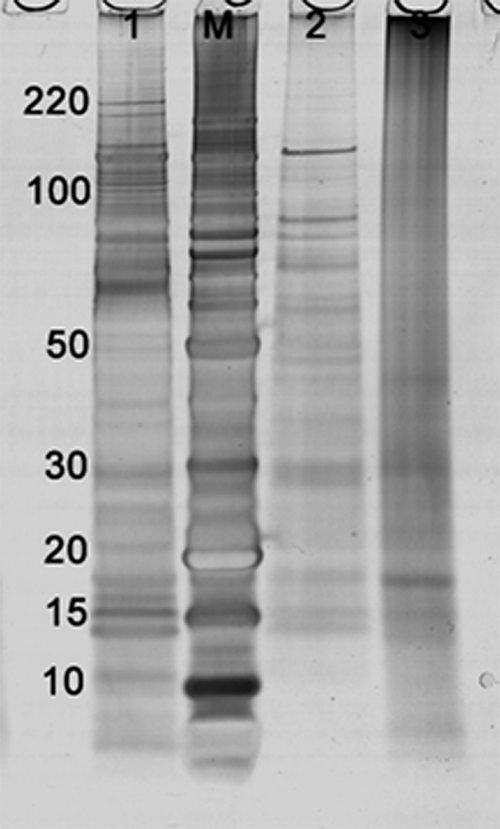
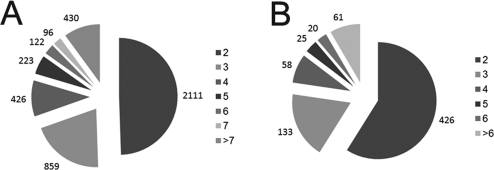
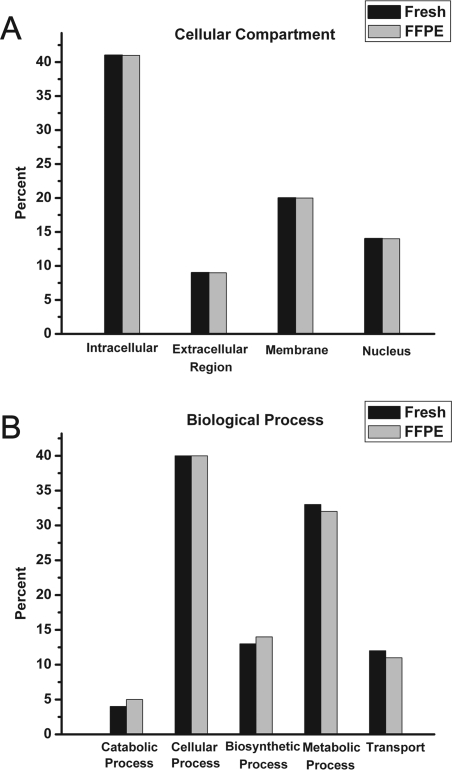
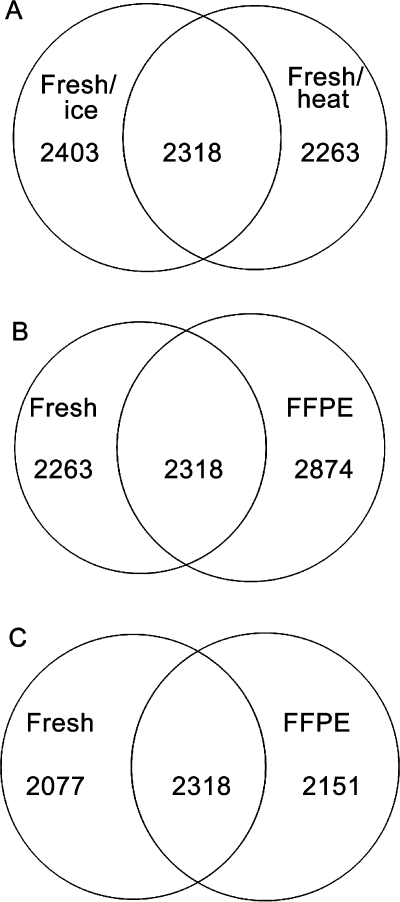
Formaldehyde-fixed, paraffin-embedded (FFPE) tissue repositories represent a valuable resource for the retrospective study of disease progression and response to therapy. However, the proteomic analysis of FFPE tissues has been hampered by formaldehyde-induced protein modifications, which reduce protein extraction efficiency and may lead to protein misidentification. Here, we demonstrate the use of heat augmented with high hydrostatic pressure (40,000 psi) as a novel method for the recovery of intact proteins from FFPE mouse liver. When FFPE mouse liver was extracted using heat and elevated pressure, there was a 4-fold increase in protein extraction efficiency, a 3-fold increase in the extraction of intact proteins, and up to a 30-fold increase in the number of nonredundant proteins identified by mass spectrometry, compared to matched tissue extracted with heat alone. More importantly, the number of nonredundant proteins identified in the FFPE tissue was nearly identical to that of matched fresh-frozen tissue.
甲醛固定、石蜡包埋(FFPE)组织库是研究疾病进展和治疗反应的宝贵资源。然而,FFPE 组织的蛋白质组学分析受到甲醛诱导的蛋白质修饰的阻碍,这会降低蛋白质提取效率,并可能导致蛋白质错误鉴定。在这里,我们展示了高温增强高压(40,000 psi)作为一种从 FFPE 小鼠肝脏中回收完整蛋白质的新方法的用途。当使用热和高压提取 FFPE 小鼠肝脏时,与仅使用热提取的匹配组织相比,蛋白质提取效率提高了 4 倍,完整蛋白质的提取量增加了 3 倍,通过质谱鉴定的非冗余蛋白质数量增加了 30 倍。更重要的是,在 FFPE 组织中鉴定的非冗余蛋白质数量与匹配的新鲜冷冻组织几乎相同。