Department of Food and Nutrition, Japan Women's University, Tokyo, Japan.
Diabetes. 2012 Mar;61(3):549-59. doi: 10.2337/db11-1120.
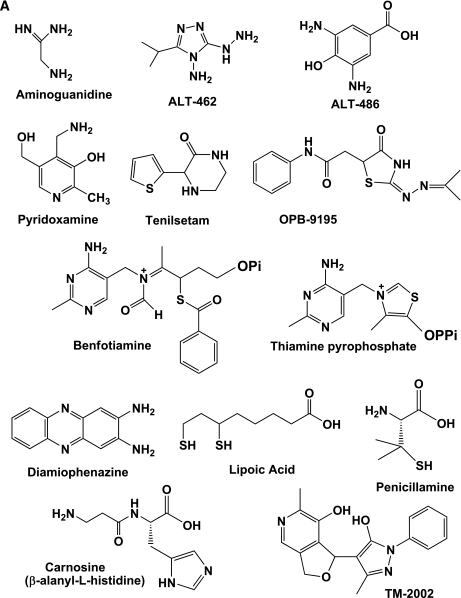
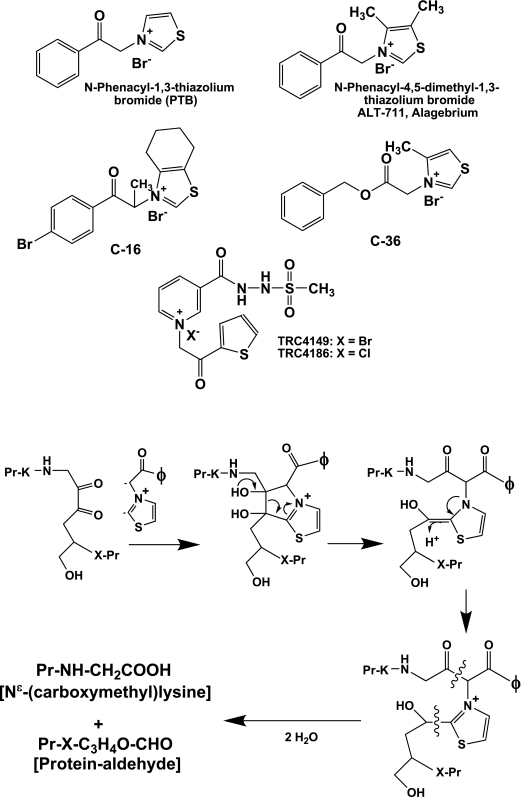
This article outlines evidence that advanced glycation end product (AGE) inhibitors and breakers act primarily as chelators, inhibiting metal-catalyzed oxidation reactions that catalyze AGE formation. We then present evidence that chelation is the most likely mechanism by which ACE inhibitors, angiotensin receptor blockers, and aldose reductase inhibitors inhibit AGE formation in diabetes. Finally, we note several recent studies demonstrating therapeutic benefits of chelators for diabetic cardiovascular and renal disease. We conclude that chronic, low-dose chelation therapy deserves serious consideration as a clinical tool for prevention and treatment of diabetes complications.
本文概述了证据表明,糖基化终产物(AGE)抑制剂和断裂剂主要作为螯合剂发挥作用,抑制催化 AGE 形成的金属催化氧化反应。然后,我们提出证据表明,螯合作用是血管紧张素转换酶抑制剂、血管紧张素受体阻滞剂和醛糖还原酶抑制剂在糖尿病中抑制 AGE 形成的最可能机制。最后,我们注意到几项最近的研究表明,螯合剂对糖尿病心血管和肾脏疾病具有治疗益处。我们得出结论,慢性、低剂量螯合治疗值得作为预防和治疗糖尿病并发症的临床工具进行认真考虑。