Imperial College London, Medicine, St Mary’s Hospital campus, Norfolk Place, London W2 1PG, UK.
Emerg Infect Dis. 2012 Mar;18(3):449-57. doi: 10.3201/eid1803.110728.
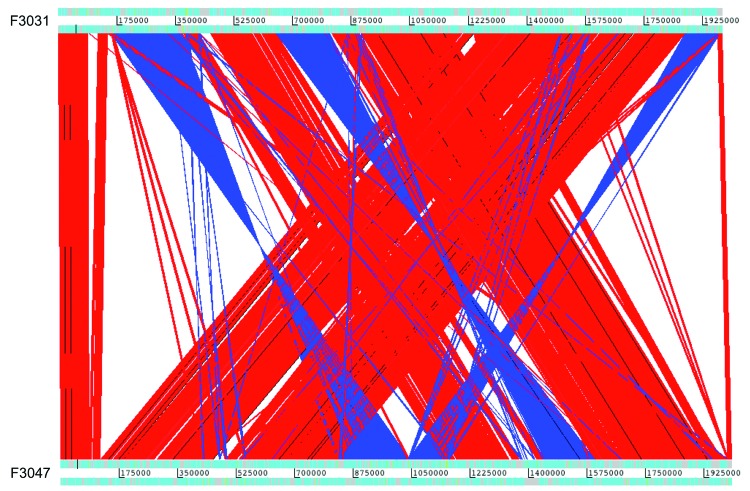
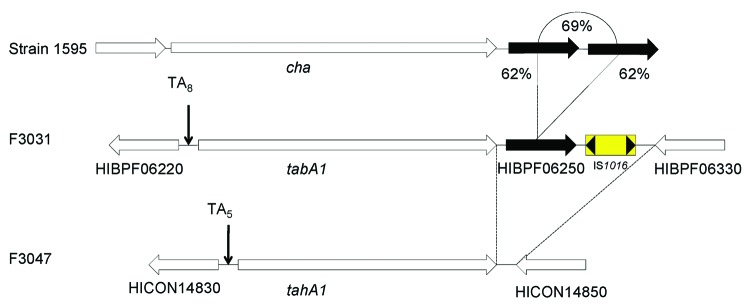
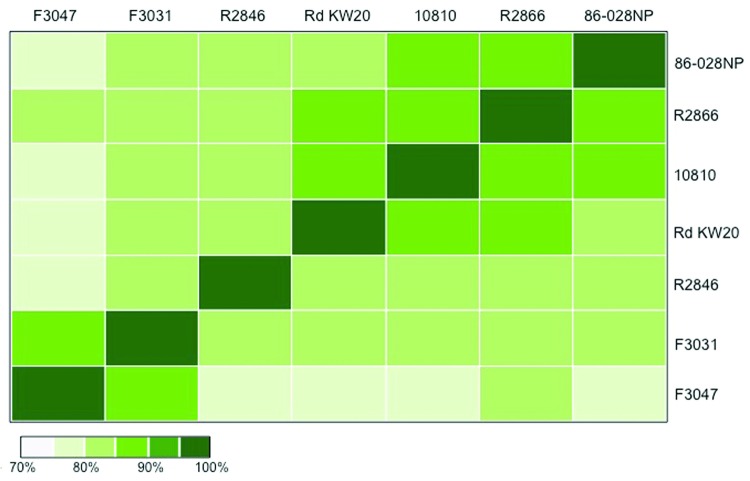
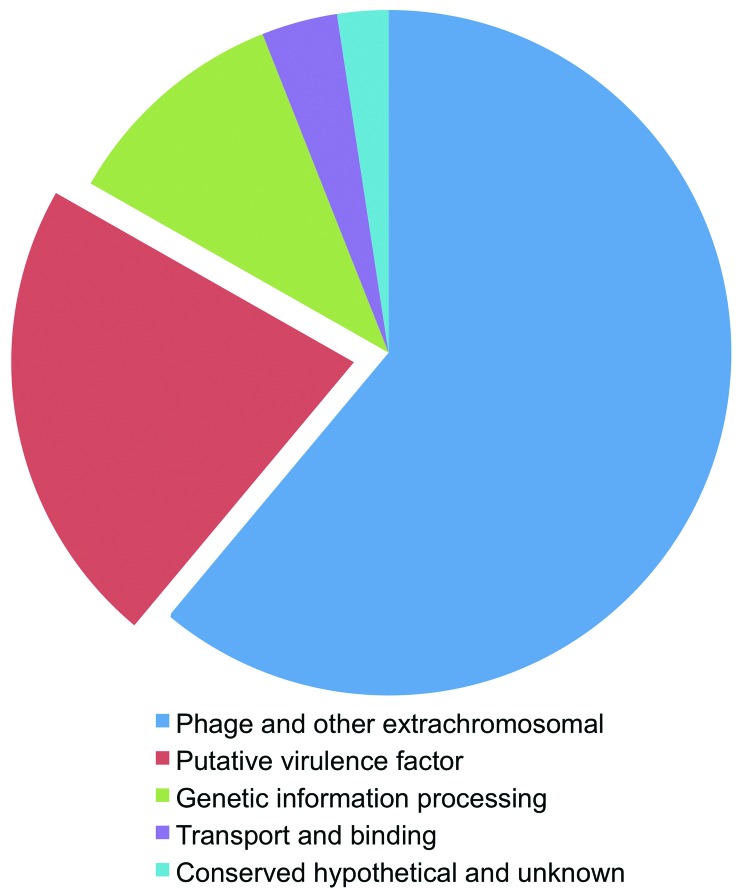
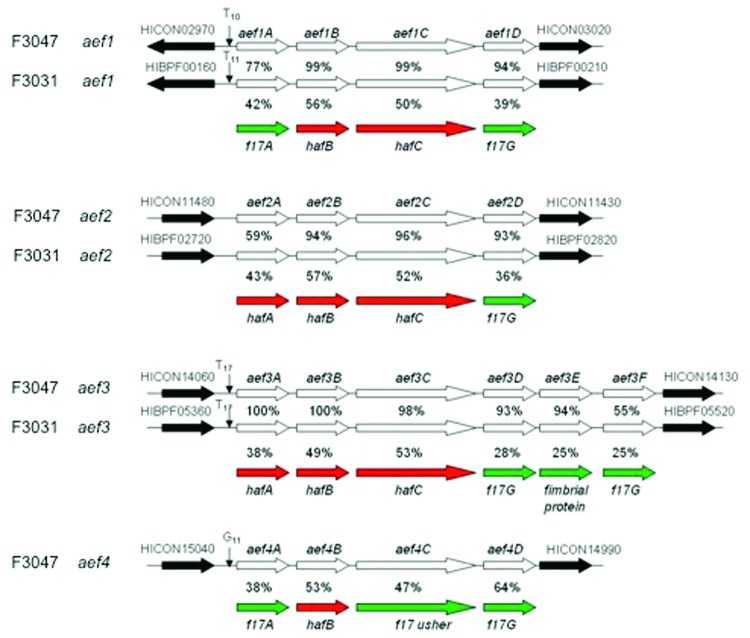
An emergent clone of Haemophilus influenzae biogroup aegyptius (Hae) is responsible for outbreaks of Brazilian purpuric fever (BPF). First recorded in Brazil in 1984, the so-called BPF clone of Hae caused a fulminant disease that started with conjunctivitis but developed into septicemic shock; mortality rates were as high as 70%. To identify virulence determinants, we conducted a pan-genomic analysis. Sequencing of the genomes of the BPF clone strain F3031 and a noninvasive conjunctivitis strain, F3047, and comparison of these sequences with 5 other complete H. influenzae genomes showed that >77% of the F3031 genome is shared among all H. influenzae strains. Delineation of the Hae accessory genome enabled characterization of 163 predicted protein-coding genes; identified differences in established autotransporter adhesins; and revealed a suite of novel adhesins unique to Hae, including novel trimeric autotransporter adhesins and 4 new fimbrial operons. These novel adhesins might play a critical role in host-pathogen interactions.
一种新兴的埃及流感嗜血杆菌生物群(Hae)克隆体是导致巴西紫癜热(BPF)爆发的原因。该 Hae 所谓的 BPF 克隆体于 1984 年在巴西首次被记录,引起了一种暴发性疾病,最初表现为结膜炎,但发展为败血症性休克;死亡率高达 70%。为了确定毒力决定因素,我们进行了全基因组分析。对 BPF 克隆株 F3031 和非侵袭性结膜炎株 F3047 的基因组进行测序,并将这些序列与其他 5 个完整的流感嗜血杆菌基因组进行比较,结果表明 F3031 基因组的>77%在所有流感嗜血杆菌菌株中共享。Hae 辅助基因组的划定使 163 个预测的蛋白编码基因得以表征;确定了已建立的自动转运体黏附素的差异;并揭示了一系列独特的 Hae 新型黏附素,包括新型三聚体自动转运体黏附素和 4 个新的菌毛操纵子。这些新型黏附素可能在宿主-病原体相互作用中发挥关键作用。