Department of System Disorders and Cancer, Instituto Ramón y Cajal de Investigación Sanitaria (IRYCIS), Alcalá University, Madrid, Spain.
PLoS One. 2012;7(3):e33258. doi: 10.1371/journal.pone.0033258. Epub 2012 Mar 14.
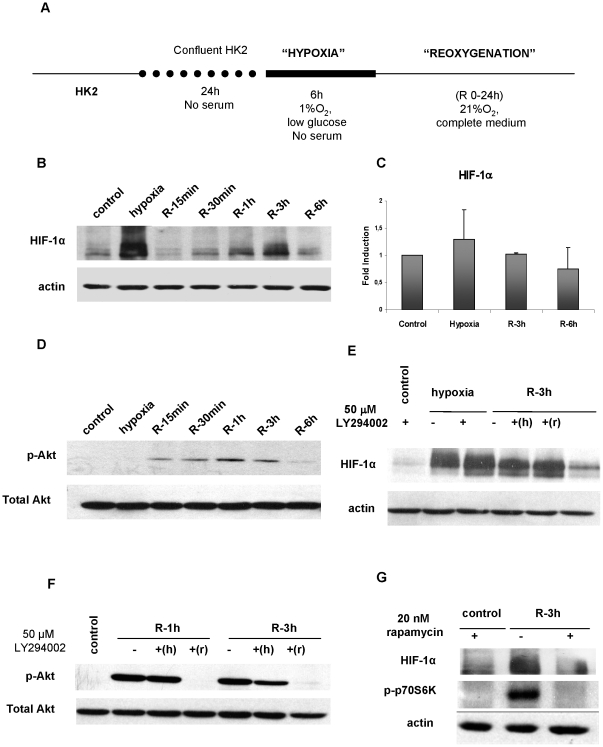
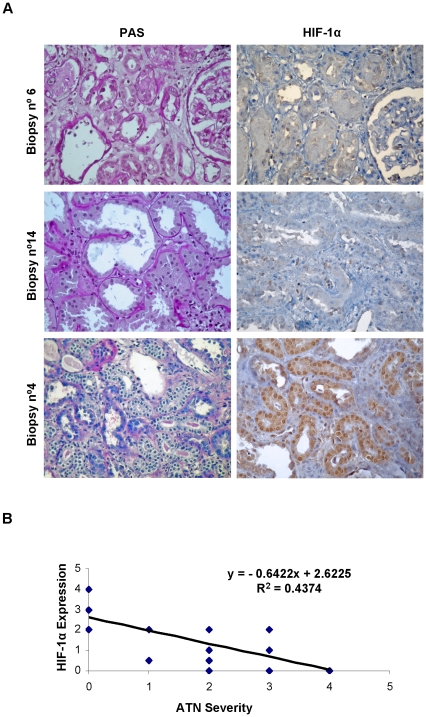
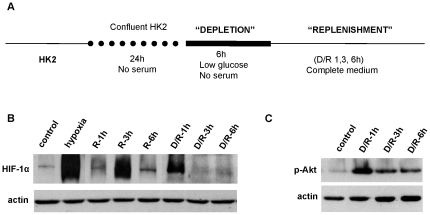
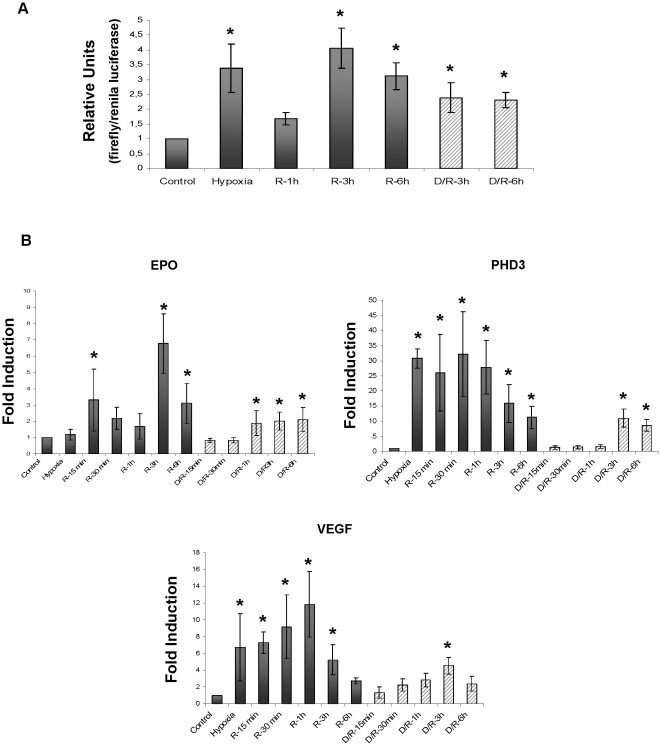
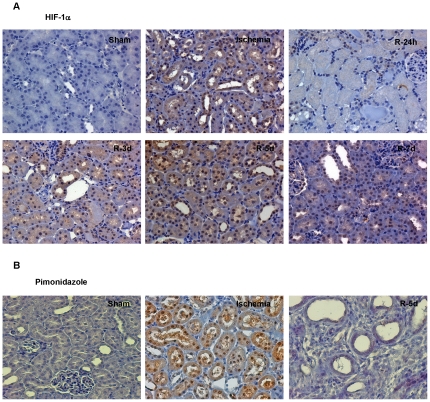
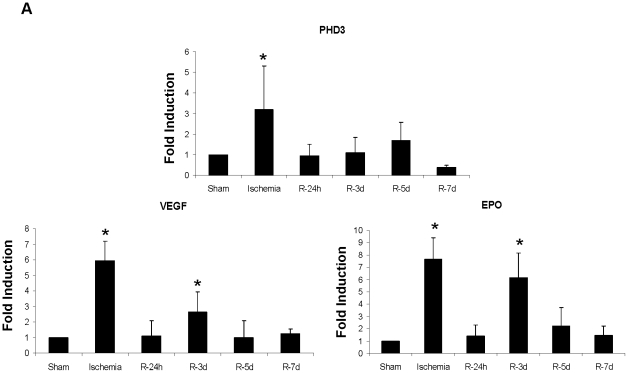
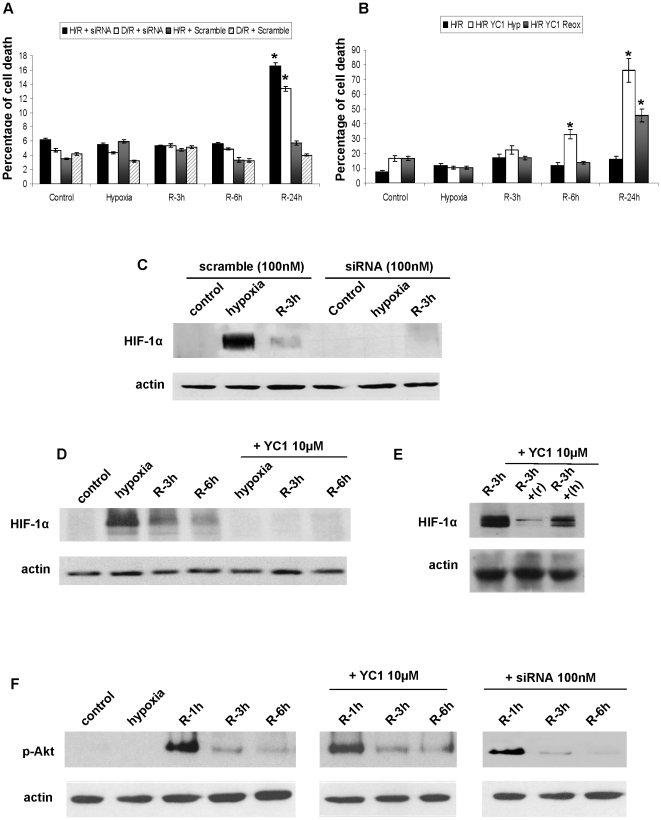
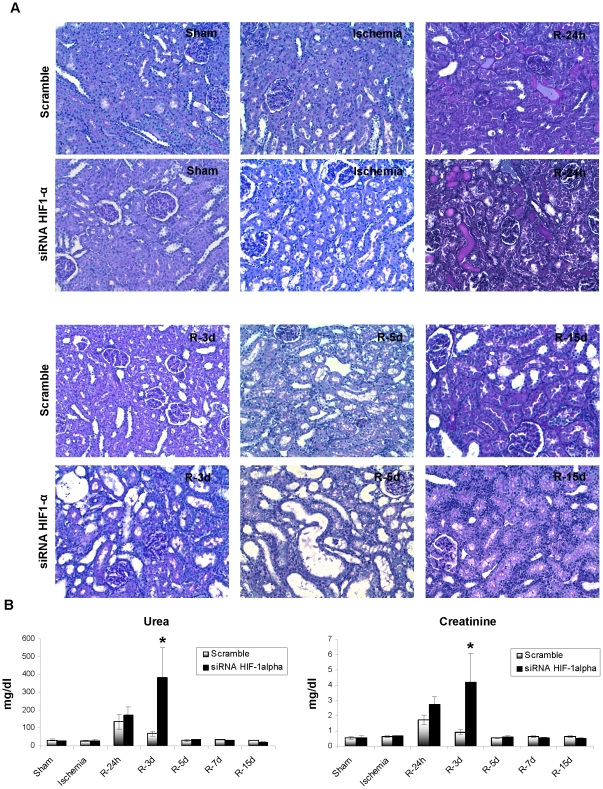
Acute tubular necrosis (ATN) caused by ischemia/reperfusion (I/R) during renal transplantation delays allograft function. Identification of factors that mediate protection and/or epithelium recovery could help to improve graft outcome. We studied the expression, regulation and role of hypoxia inducible factor 1-alpha (HIF-1 α), using in vitro and in vivo experimental models of I/R as well as human post-transplant renal biopsies. We found that HIF-1 α is stabilized in proximal tubule cells during ischemia and unexpectedly in late reperfusion, when oxygen tension is normal. Both inductions lead to gene expression in vitro and in vivo. In vitro interference of HIF-1 α promoted cell death and in vivo interference exacerbated tissue damage and renal dysfunction. In pos-transplant human biopsies, HIF-1 α was expressed only in proximal tubules which exhibited normal renal structure with a significant negative correlation with ATN grade. In summary, using experimental models and human biopsies, we identified a novel HIF-1 α induction during reperfusion with a potential critical role in renal transplant.
缺血/再灌注(I/R)导致的急性肾小管坏死(ATN)会延迟移植肾的功能。鉴定介导保护和/或上皮细胞恢复的因素可能有助于改善移植物的预后。我们使用 I/R 的体外和体内实验模型以及人移植后肾活检研究了缺氧诱导因子 1-α(HIF-1α)的表达、调节和作用。我们发现,HIF-1α在缺血期间在近端肾小管细胞中稳定,出乎意料的是在氧张力正常的再灌注后期稳定。这两种诱导都导致体外和体内的基因表达。体外干扰 HIF-1α 促进细胞死亡,体内干扰则加重组织损伤和肾功能障碍。在移植后的人类活检中,HIF-1α仅在近端小管中表达,这些近端小管具有正常的肾脏结构,与 ATN 分级呈显著负相关。总之,通过使用实验模型和人类活检,我们在再灌注过程中鉴定了一种新型的 HIF-1α 诱导,其在肾移植中可能具有关键作用。