Lovelace CounterACT Research Center of Excellence, Lovelace Respiratory Research Institute, 2425 Ridgecrest Dr. SE, Albuquerque, NM 87108, USA.
Int Immunopharmacol. 2012 May;13(1):101-8. doi: 10.1016/j.intimp.2012.03.010. Epub 2012 Mar 28.
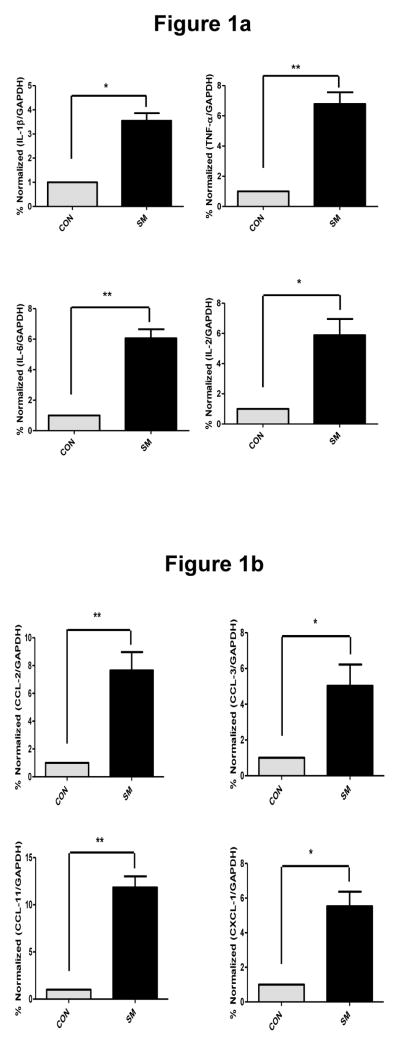
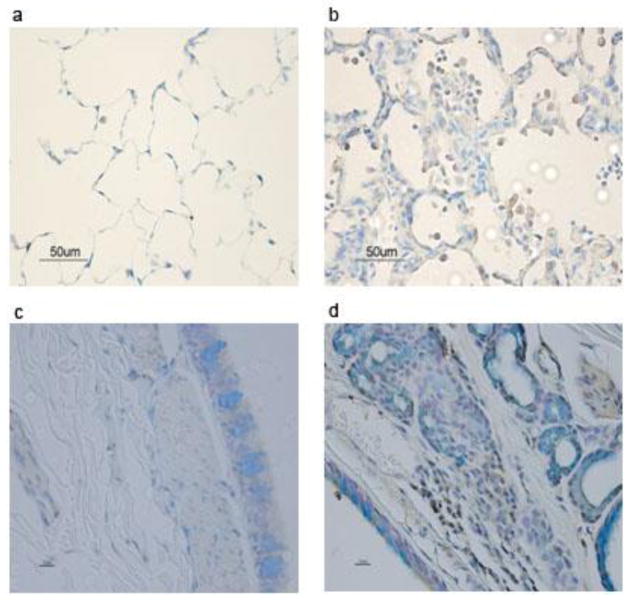
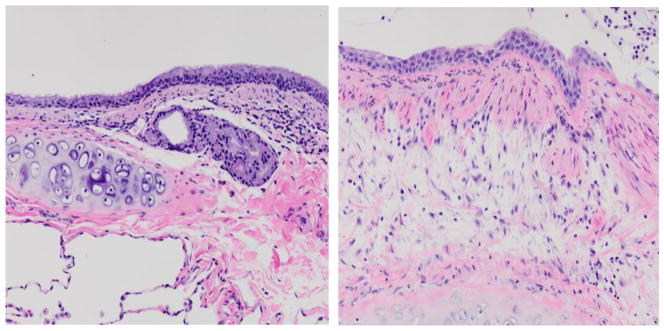
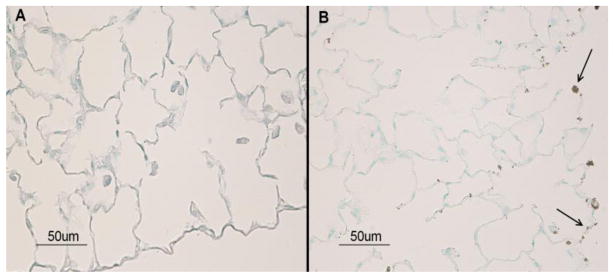
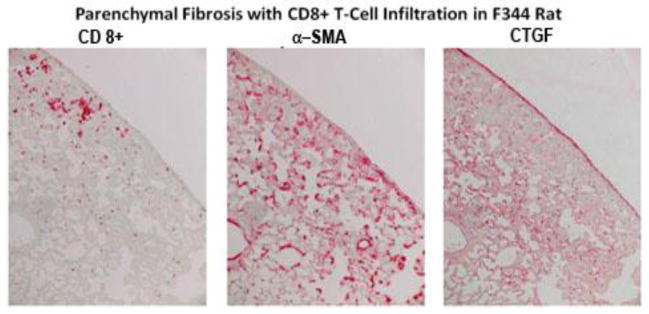
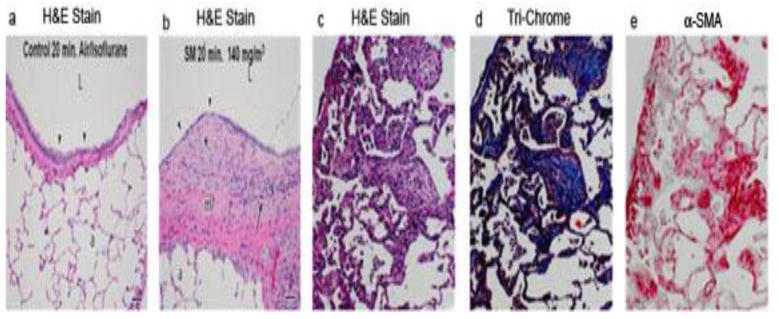
Sulfur mustard (SM) is a highly toxic chemical warfare agent that remains a threat to human health. The immediate symptoms of pulmonary distress may develop into chronic lung injury characterized by progressive lung fibrosis, the major cause of morbidity among the surviving SM victims. Although SM has been intensely investigated, little is known about the mechanism(s) by which SM induces chronic lung pathology. Increasing evidence suggests that IL-17(+) cells are critical in fibrosis, including lung fibrotic diseases. In this study we exposed F344 rats and cynomolgus monkeys to SM via inhalation and determined the molecular and cellular milieu in their lungs at various times after SM exposure. In rats, SM induced a burst of pro-inflammatory cytokines/chemokines within 72 h, including IL-1β, TNF-α, IL-2, IL-6, CCL2, CCL3, CCL11, and CXCL1 that was associated with neutrophilic infiltration into the lung. At 2 wks and beyond (chronic phase), lymphocytic infiltration and continued elevated expression of cytokines/chemokines were sustained. TGF-β, which was undetectable in the acute phase, was strongly upregulated in the chronic phase; these conditions persisted until the animals were sacrificed. The chronic phase was also associated with myofibroblast proliferation, collagen deposition, and presence of IL-17(+) cells. At ≥30 days, SM inhalation promoted the accumulation of IL-17(+) cells in the inflamed areas of monkey lungs. Thus, SM inhalation causes acute and chronic inflammatory responses; the latter is characterized by the presence of TGF-β, fibrosis, and IL-17(+) cells in the lung. IL-17(+) cells likely play an important role in the pathogenesis of SM-induced lung injury.
芥子气(SM)是一种高毒性的化学战剂,仍然对人类健康构成威胁。肺部窘迫的即时症状可能发展为慢性肺损伤,其特征是进行性肺纤维化,这是幸存的 SM 受害者发病的主要原因。尽管 SM 已被深入研究,但对于 SM 引起慢性肺病理学的机制知之甚少。越来越多的证据表明,IL-17(+)细胞在纤维化中起关键作用,包括肺纤维化疾病。在这项研究中,我们通过吸入使 F344 大鼠和食蟹猴暴露于 SM,并在 SM 暴露后不同时间确定其肺部的分子和细胞环境。在大鼠中,SM 在 72 小时内引发了一阵促炎细胞因子/趋化因子,包括 IL-1β、TNF-α、IL-2、IL-6、CCL2、CCL3、CCL11 和 CXCL1,这与中性粒细胞浸润到肺部有关。在 2 周及以后(慢性期),淋巴细胞浸润和持续升高的细胞因子/趋化因子表达得以维持。在急性期无法检测到的 TGF-β在慢性期被强烈上调;这些情况一直持续到动物被处死。慢性期还与肌成纤维细胞增殖、胶原蛋白沉积和 IL-17(+)细胞的存在有关。在≥30 天时,SM 吸入促进了 IL-17(+)细胞在猴肺炎症区域的积累。因此,SM 吸入会引起急性和慢性炎症反应;后者的特征是 TGF-β、纤维化和 IL-17(+)细胞在肺部的存在。IL-17(+)细胞可能在 SM 诱导的肺损伤发病机制中发挥重要作用。