Weinberger Barry, Malaviya Rama, Sunil Vasanthi R, Venosa Alessandro, Heck Diane E, Laskin Jeffrey D, Laskin Debra L
Division of Neonatal and Perinatal Medicine, Hofstra Northwell School of Medicine, Cohen Children's Medical Center of New York, New Hyde Park, NY 11040, USA.
Department of Pharmacology and Toxicology, Ernest Mario School of Pharmacy, Rutgers University, Piscataway, NJ 08854, USA.
Toxicol Appl Pharmacol. 2016 Aug 15;305:1-11. doi: 10.1016/j.taap.2016.05.014. Epub 2016 May 19.
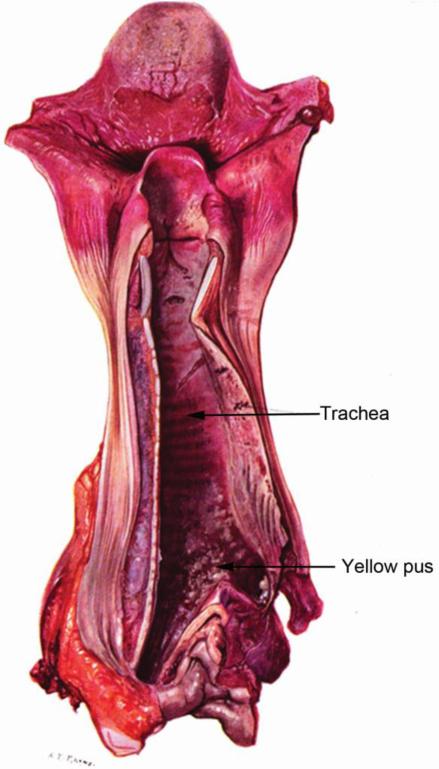
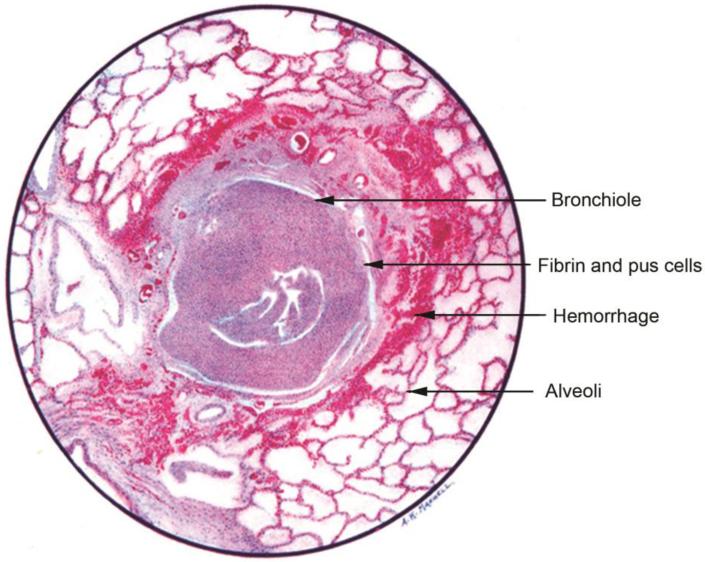
Most mortality and morbidity following exposure to vesicants such as sulfur mustard is due to pulmonary toxicity. Acute injury is characterized by epithelial detachment and necrosis in the pharynx, trachea and bronchioles, while long-term consequences include fibrosis and, in some instances, cancer. Current therapies to treat mustard poisoning are primarily palliative and do not target underlying pathophysiologic mechanisms. New knowledge about vesicant-induced pulmonary disease pathogenesis has led to the identification of potentially efficacious strategies to reduce injury by targeting inflammatory cells and mediators including reactive oxygen and nitrogen species, proteases and proinflammatory/cytotoxic cytokines. Therapeutics under investigation include corticosteroids, N-acetyl cysteine, which has both mucolytic and antioxidant properties, inducible nitric oxide synthase inhibitors, liposomes containing superoxide dismutase, catalase, and/or tocopherols, protease inhibitors, and cytokine antagonists such as anti-tumor necrosis factor (TNF)-α antibody and pentoxifylline. Antifibrotic and fibrinolytic treatments may also prove beneficial in ameliorating airway obstruction and lung remodeling. More speculative approaches include inhibitors of transient receptor potential channels, which regulate pulmonary epithelial cell membrane permeability, non-coding RNAs and mesenchymal stem cells. As mustards represent high priority chemical threat agents, identification of effective therapeutics for mitigating toxicity is highly significant.
接触诸如硫芥之类的糜烂性毒剂后的大多数死亡和发病情况是由肺毒性所致。急性损伤的特征是咽部、气管和细支气管出现上皮脱落和坏死,而长期后果包括纤维化,在某些情况下还会引发癌症。目前治疗芥子气中毒的方法主要是姑息性的,并未针对潜在的病理生理机制。关于糜烂性毒剂诱发的肺部疾病发病机制的新知识已促使人们确定了一些潜在有效的策略,通过针对炎症细胞和介质(包括活性氧和氮物质、蛋白酶以及促炎/细胞毒性细胞因子)来减轻损伤。正在研究的治疗方法包括皮质类固醇、具有黏液溶解和抗氧化特性的N - 乙酰半胱氨酸、诱导型一氧化氮合酶抑制剂、含有超氧化物歧化酶、过氧化氢酶和/或生育酚的脂质体、蛋白酶抑制剂以及细胞因子拮抗剂,如抗肿瘤坏死因子(TNF)-α抗体和己酮可可碱。抗纤维化和纤维蛋白溶解治疗在改善气道阻塞和肺重塑方面可能也被证明是有益的。更具推测性的方法包括瞬时受体电位通道抑制剂(其调节肺上皮细胞膜通透性)、非编码RNA和间充质干细胞。由于芥子气是高度优先的化学威胁制剂,确定减轻毒性的有效治疗方法具有极其重要的意义。