Department of Neurology, University of Michigan Medical School, Ann Arbor, MI, USA.
ASN Neuro. 2012 May 3;4(4):207-21. doi: 10.1042/AN20120016.
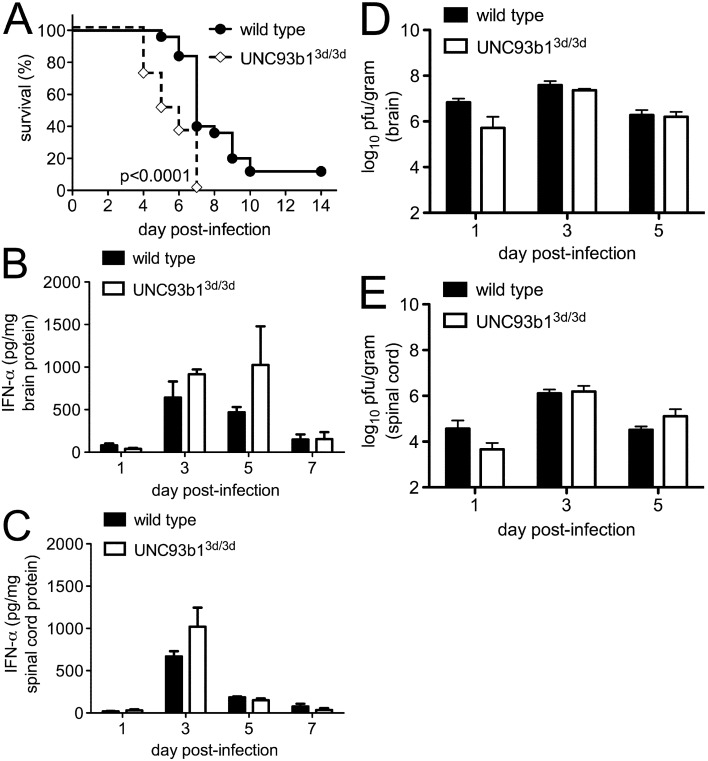
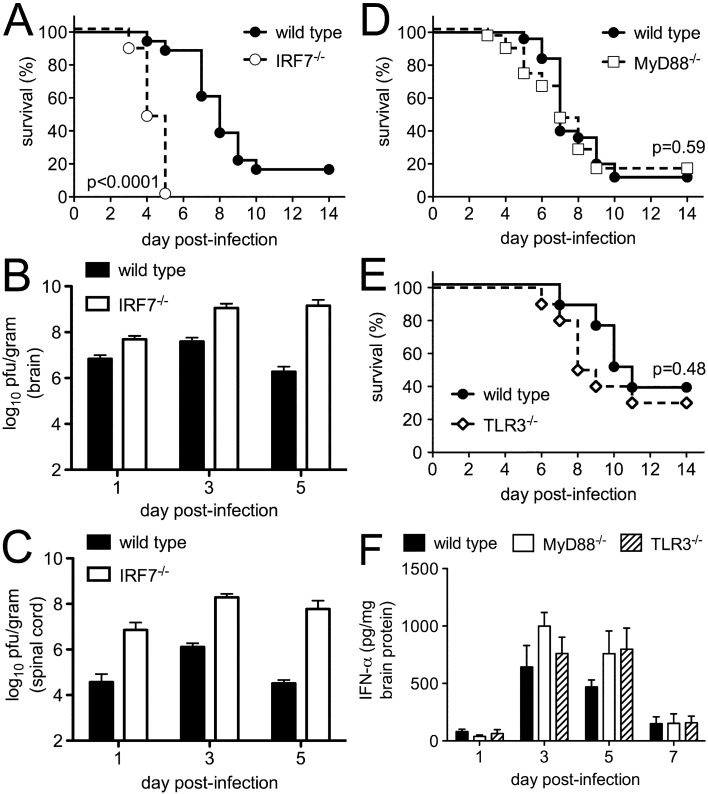
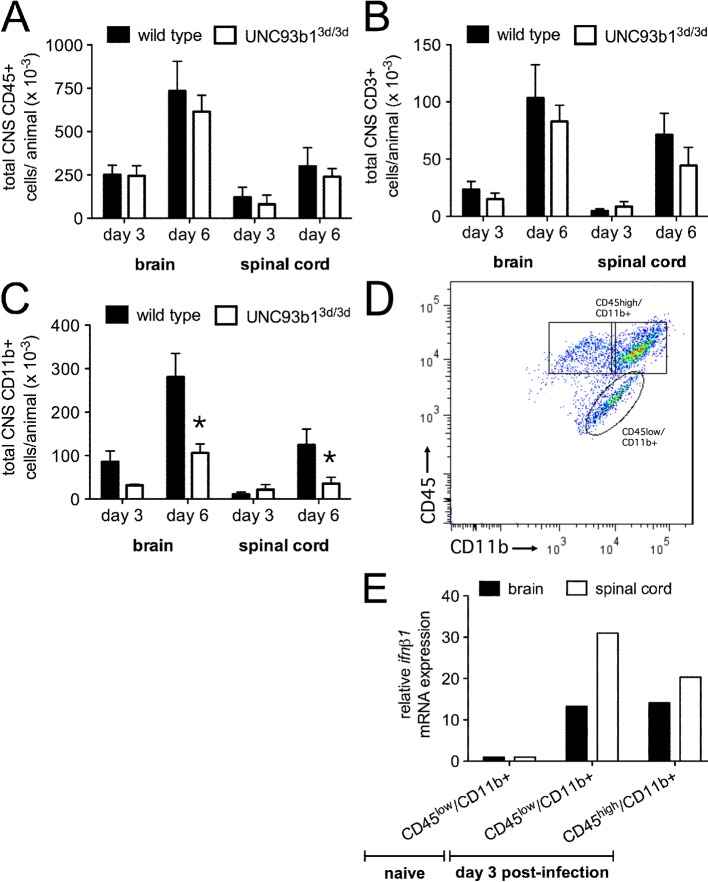
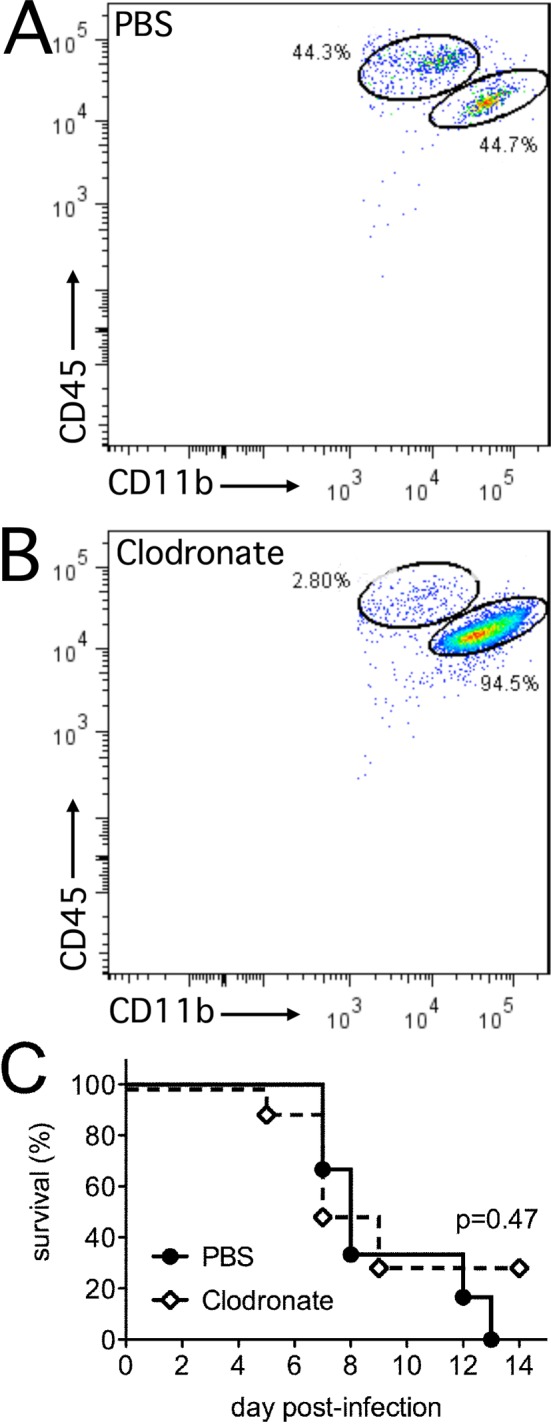
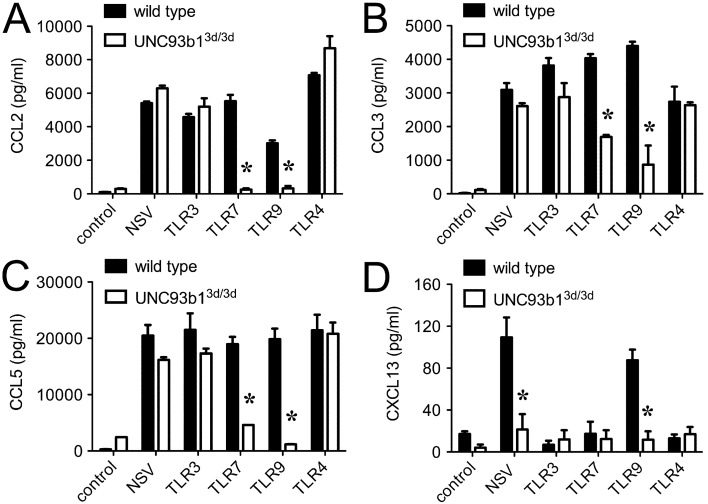
Microglia express multiple TLRs (Toll-like receptors) and provide important host defence against viruses that invade the CNS (central nervous system). Although prior studies show these cells become activated during experimental alphavirus encephalitis in mice to generate cytokines and chemokines that influence virus replication, tissue inflammation and neuronal survival, the specific PRRs (pattern recognition receptors) and signalling intermediates controlling microglial activation in this setting remain unknown. To investigate these questions directly in vivo, mice ablated of specific TLR signalling molecules were challenged with NSV (neuroadapted Sindbis virus) and CNS viral titres, inflammatory responses and clinical outcomes followed over time. To approach this problem specifically in microglia, the effects of NSV on primary cells derived from the brains of wild-type and mutant animals were characterized in vitro. From the standpoint of the virus, microglial activation required viral uncoating and an intact viral genome; inactivated virus particles did not elicit measurable microglial responses. At the level of the target cell, NSV triggered multiple PRRs in microglia to produce a broad range of inflammatory mediators via non-overlapping signalling pathways. In vivo, disease survival was surprisingly independent of TLR-driven responses, but still required production of type-I IFN (interferon) to control CNS virus replication. Interestingly, the ER (endoplasmic reticulum) protein UNC93b1 facilitated host survival independent of its known effects on endosomal TLR signalling. Taken together, these data show that alphaviruses activate microglia via multiple PRRs, highlighting the complexity of the signalling networks by which CNS host responses are elicited by these infections.
小胶质细胞表达多种 TLR(Toll 样受体),为中枢神经系统(CNS)内入侵的病毒提供重要的宿主防御。虽然先前的研究表明,这些细胞在实验性甲病毒脑炎的小鼠中被激活,以产生影响病毒复制、组织炎症和神经元存活的细胞因子和趋化因子,但控制这种情况下小胶质细胞激活的特定 PRR(模式识别受体)和信号中间物仍不清楚。为了直接在体内研究这些问题,用 NSV(神经适应辛德毕斯病毒)和 CNS 病毒滴度、炎症反应和临床结果来检测缺乏特定 TLR 信号分子的小鼠随时间推移的变化。为了专门研究小胶质细胞中的这个问题,在体外研究了 NSV 对源自野生型和突变型动物大脑的原代细胞的影响。从病毒的角度来看,小胶质细胞的激活需要病毒脱壳和完整的病毒基因组;失活的病毒颗粒不会引发可测量的小胶质细胞反应。在靶细胞水平上,NSV 通过非重叠的信号通路在小胶质细胞中触发多种 PRR,产生广泛的炎症介质。在体内,疾病存活出人意料地独立于 TLR 驱动的反应,但仍需要产生 I 型 IFN(干扰素)来控制 CNS 病毒复制。有趣的是,内质网(ER)蛋白 UNC93b1 独立于其对内体 TLR 信号的已知作用,促进宿主存活。总之,这些数据表明,甲病毒通过多种 PRR 激活小胶质细胞,突出了这些感染引发 CNS 宿主反应的信号网络的复杂性。